How To Make Homemade Baby Food: Step-By-Step Guide
Discover simple, safe steps to prepare nutritious homemade baby food from fresh ingredients for your little one's first solids.
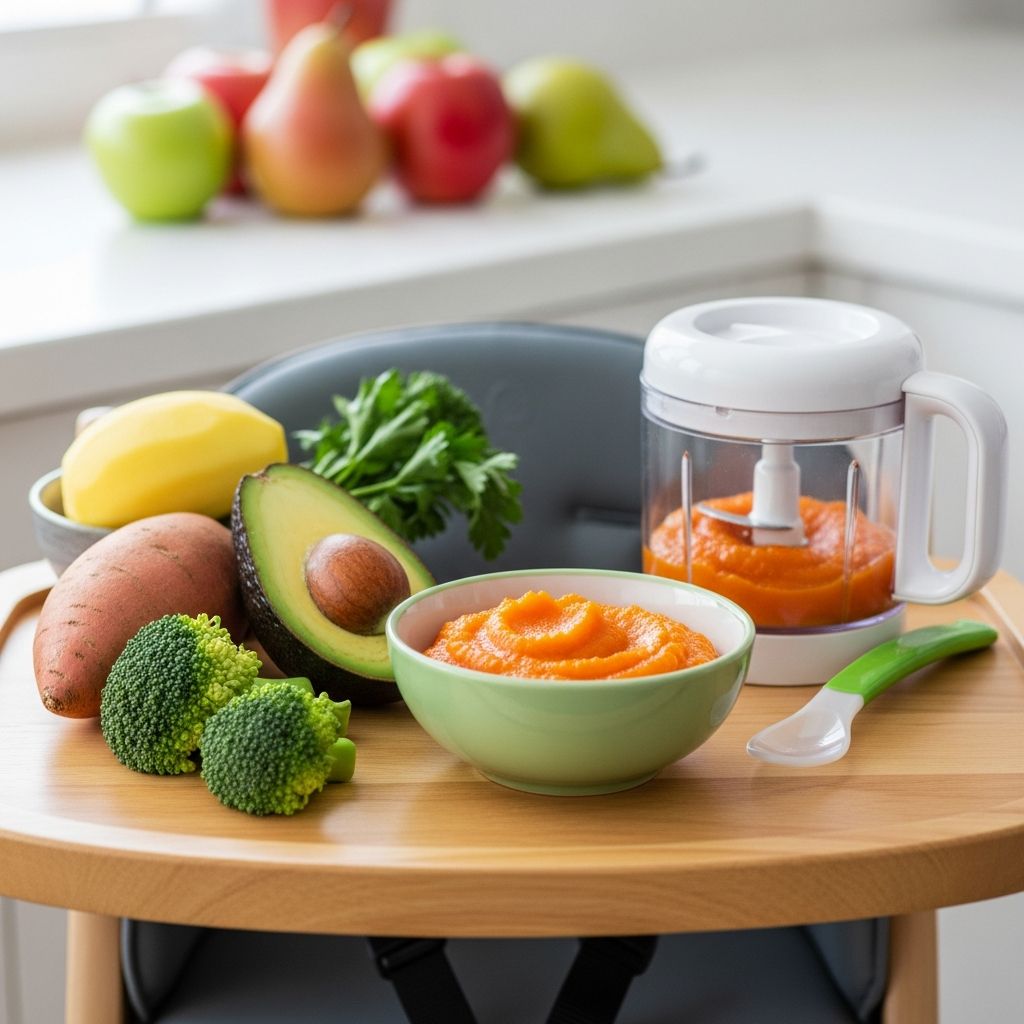
How to Make Homemade Baby Food
Making homemade baby food allows parents to control ingredients, ensure freshness, and introduce a variety of nutrients tailored to a baby’s developmental needs. Starting solids around 6 months supports growth while complementing breast milk or formula. This guide covers everything from selecting first foods to safe storage and recipes.
Why Make Homemade Baby Food?
Homemade baby food is cost-effective, fresher, and free from preservatives found in many commercial options. Parents can customize textures and flavors to encourage healthy eating habits early on. Pediatric nutritionists emphasize using fresh or frozen produce to maximize vitamins, cooking methods like steaming to retain nutrients, and introducing diverse foods for balanced nutrition. Babies’ nutritional needs differ from adults: they require higher iron, zinc, and vitamin C for rapid growth, focusing on single-ingredient purees initially to monitor allergies.
Key benefits include portion control to minimize waste, exposure to family foods for better acceptance, and the ability to introduce allergens like peanut butter or egg one at a time. According to USDA WIC guidelines, homemade preparations ensure no added salt, sugar, or unhealthy additives.
When to Start Solids
Introduce solids when baby shows readiness signs around 6 months: good head control, sitting with support, interest in food, and loss of tongue-thrust reflex. Consult a pediatrician, as every baby develops differently. Start with 1-2 teaspoons once daily, gradually increasing to 2-3 meals by 8-9 months.
First Foods for Baby
Begin with
iron-rich foods
to meet rapid growth demands, as breast milk iron depletes by 6 months.- Iron-fortified infant cereal mixed with breast milk or formula.
- Pureed meats: beef, lamb, chicken, turkey, pork.
- Plant-based: tofu, legumes (lentils, chickpeas), egg yolk.
Pair with vitamin C-rich foods like pureed strawberries or broccoli to enhance iron absorption. Gradually add:
- Vegetables: Carrot, sweet potato, pumpkin, peas, green beans, squash (steamed and pureed).
- Fruits: Avocado, banana, pear, apple, peach (ripe or cooked).
- Grains: Oats, rice cereal.
- Dairy: Yogurt, soft cheese (full-fat for calories).
Introduce potential allergens singly: cooked egg, peanut butter (thinned), wheat, fish, tree nuts.
How to Prepare Homemade Baby Food: Step-by-Step
Follow hygienic practices: wash hands, surfaces, and utensils thoroughly. Work in small batches to ensure freshness.
- Wash and Prep: Scrub fruits/veggies, peel skins (apples, carrots), trim fat from meats, remove fish bones/skin. Use frozen produce if fresh unavailable—no washing needed.
- Chop: Cut into uniform small pieces for even cooking.
- Cook: Steam (best for nutrients), boil, microwave, or bake until fork-tender (10-15 mins). Retain cooking liquid. Meats to safe internal temp (165°F/74°C).
- Puree/Mash: Blend, food process, or mash to smooth texture for 6 months; rub between fingers to check smoothness. Add breast milk, formula, or cooking water for consistency.
- Cool and Strain: Remove lumps; cool before serving.
For older babies (8+ months): Advance to mashed, minced, or soft finger foods like flaky fish, pasta, couscous.
Best Cooking Methods
Steaming preserves most vitamins by using minimal water. Place in steamer basket over 1 inch boiling water, covered, 10 mins.
Microwave: Use steamer bag; vent and stir midway to avoid hot spots.
Boiling: Quick but leaches nutrients—use reserved water for pureeing.
Avoid frying or adding salt/sugar.
Equipment You’ll Need
- Steamer basket or baby food maker.
- Blender, immersion blender, or food processor.
- Fork/masher for chunkier textures.
- Ice cube trays or silicone pouches for freezing.
- Sieves for straining.
Storage and Freezing Tips
Store in airtight glass/plastic containers or ice cube trays (1-2 oz portions). Refrigerate up to 48 hours; freeze 1-3 months. Label with date and food type.
- Thawing: Overnight in fridge or warm gently in saucepan/microwave (stir, test on wrist—no hot spots).
- Serving: Discard leftovers after feeding; never refreeze thawed food.
For combos, introduce single ingredients first. White potatoes/pasta freeze poorly—use sweet potato/rice.
Sample Recipes
Vegetable Medley (6+ months)
1/2 cup cooked carrots, peas, sweet potato (no salt). Puree with cooking liquid. Yields 4-6 servings. Freeze in cubes.
Simple Pureed Meat (6+ months)
1/2 cup lean chicken/beef, simmered. Puree smooth. Thin if serving fresh.
Your Choice Combo (8+ months)
1 cup meat + 1/2 cup rice/sweet potato + 2/3 cup veggies. Blend; freeze.
| Age | Texture | Examples |
|---|---|---|
| 6 months | Pureed | Single veggie/fruit purees |
| 8 months | Mashed/chopped | Minced meat, soft grains |
| 10 months | Finger foods | Small veggie sticks, cheese cubes |
Safety Tips
- Test temp on inner wrist.
- One new food every 3-5 days for allergies.
- No honey, cow’s milk, choking hazards (whole grapes, nuts) until 12 months.
- Cook meats fully; avoid raw fish.
Frequently Asked Questions (FAQs)
Can I use canned or frozen produce?
Yes, choose no-salt-added canned or plain frozen—nutrient-packed and convenient.
How do I know if the puree is smooth enough?
Rub between fingers; no grittiness for young babies.
What’s the best way to introduce textures?
Start smooth, progress weekly to mashed/chunky to build acceptance.
Can I make combo foods right away?
No—introduce singles first, then mix after tolerance confirmed.
How much should baby eat?
Follow baby’s cues; start small, let them guide portions.
References
- Homemade baby food: in pictures — Raising Children Network. 2023. https://raisingchildren.net.au/babies/breastfeeding-bottle-feeding-solids/solids-drinks/homemade-baby-food
- Bulletin #4309, Making Your Own Baby Food — University of Maine Extension (.edu). 2022-01-15. https://extension.umaine.edu/publications/4309e/
- How to Make Your Own Baby Food — Babylist. 2024-06-10. https://www.babylist.com/hello-baby/how-to-make-baby-food
- First Solid Foods Cookbook — First Nations Health Authority (.ca gov-equivalent). 2023. https://docs.fntn.ca/VC19496/Handouts/First_Solid_Foods_Cookbook.pdf
- Homemade Baby Foods — Utah WIC (.gov). 2024-03-20. https://wic.utah.gov/families/nutrition-education/infants/homemade-baby-foods/
- Making Your Own Baby Food — USDA WIC Works (.gov). 2023-11-01. https://wicworks.fns.usda.gov/resources/making-your-own-baby-food
Similar Articles








Read full bio of medha deb