Mosquito Bite Itch Relief: Fast, Science-Backed Methods
Discover proven remedies and treatments to stop mosquito bite itching fast.
How to Make Mosquito Bites Stop Itching
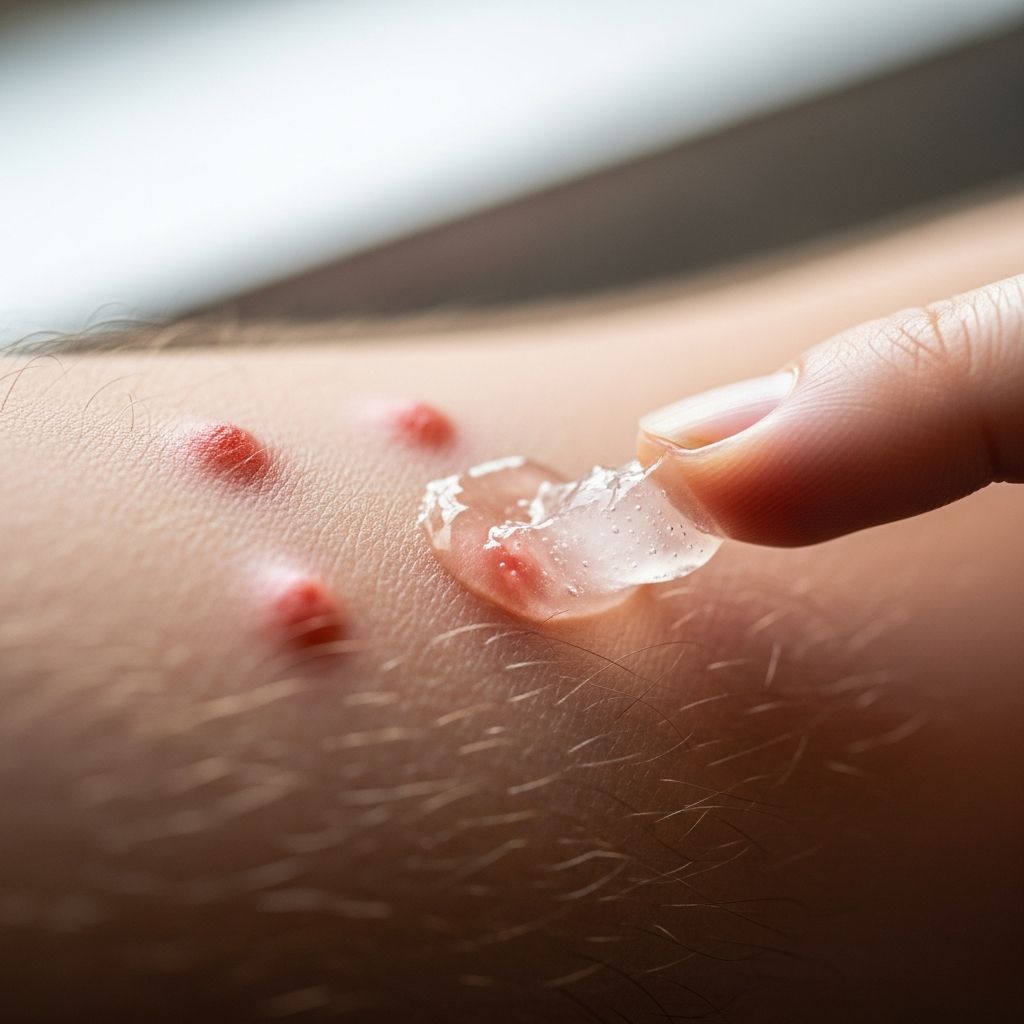
Mosquito bites are a common summertime nuisance that can leave you scratching for days. When a mosquito pierces your skin to feed on blood, it injects saliva that contains proteins your body recognizes as foreign. This triggers an immune response that releases histamine, the chemical responsible for the characteristic itching and swelling of mosquito bites. While most mosquito bites are harmless and resolve within a few days, the itching can be unbearable. Understanding why bites itch and knowing the most effective remedies can help you find relief quickly and prevent complications from scratching.
Why Mosquito Bites Itch
The itching sensation from a mosquito bite occurs because your immune system reacts to the mosquito’s saliva. When a mosquito bites, it secretes saliva into your bloodstream, and your body registers this saliva as an allergen. Your immune system responds by sending the chemical histamine to the area where the mosquito bit you to remove the perceived threat. Histamine causes the characteristic itching, swelling, and redness associated with mosquito bites. Most people have what can be considered a mosquito bite allergy, though this is a normal immune response rather than a true allergic disorder. Understanding this biological mechanism is important because it explains why different treatment approaches work—some target the histamine response, while others interrupt the itch signal through other means.
The Importance of Not Scratching
While the urge to scratch is strong, resisting it is crucial for several reasons. When you scratch a mosquito bite hard enough, you can break the skin and create an open wound. This break in the skin barrier exposes the area to bacteria, which can lead to a secondary bacterial infection. An infected mosquito bite becomes more painful, takes longer to heal, and may require medical attention. Even if you don’t scratch hard enough to visibly break the skin, repeated scratching can damage the protective barrier and increase inflammation. If you accidentally break your skin while scratching, wash the area immediately with soap and water and cover it with a clean bandage. Contact your healthcare provider if you develop signs of infection, such as increased redness, warmth, pus, or spreading irritation.
Cold Therapy Methods
Cold therapy is one of the most accessible and effective ways to reduce mosquito bite itching. The cold numbs the area and constricts blood vessels, which helps reduce both swelling and the sensation of itching.
Ice Cube Application
The simplest cold therapy method is rubbing an ice cube directly on the affected area. Apply the ice cube to the mosquito bite for approximately 30 seconds. The cold temperature provides immediate numbing relief and can significantly reduce itching for a period of time. If direct ice contact feels too uncomfortable, wrap the ice cube in a thin cloth before applying it to your skin.
Ice Pack Treatment
For a longer-lasting effect, apply an ice pack to the mosquito bite for 10 minutes at a time. Reapply the ice pack as needed throughout the day. This method is particularly effective for reducing swelling in addition to itching. If you don’t have a commercial ice pack, you can create one by wrapping ice cubes in a clean towel or using a bag of frozen vegetables.
Heat Therapy: A Scientifically Supported Approach
Recent scientific research has demonstrated that concentrated heat is remarkably effective for relieving mosquito bite itching. A large controlled study published in peer-reviewed research found that mosquito bite-induced itch was reduced by 57% within the first minute of heat treatment and by 81% within 5 to 10 minutes after treatment. The itch reduction from heat therapy was significantly greater than in a control group, with treated participants experiencing 7.1 times greater decrease in itching after 1 minute compared to untreated participants.
Related Stories



The mechanism behind heat therapy’s effectiveness involves activating heat receptors in the skin and inducing a pain stimulus that suppresses the itch signal. This is based on the principle that a stronger painful stimulus inhibits itch signaling in the nervous system. Importantly, heat treatment worked regardless of how long ago the mosquito bite occurred—bites treated more than 6 hours after they appeared showed the same itch reduction as fresh bites.
To use heat therapy safely, apply concentrated heat at approximately 51°C (about 124°F) for 3 to 6 seconds. You can use a heat applicator device, or warm water applied carefully to the area. Be cautious not to apply heat that is so hot it burns your skin. Heat therapy provides faster relief than allowing a bite to heal naturally and results in shorter overall itch duration.
Topical Treatments and Creams
Several topical products can provide relief from mosquito bite itching by directly addressing the itch response or reducing inflammation.
Calamine Lotion
Calamine lotion is a tried-and-true remedy that many people keep on hand during mosquito season. This pink lotion has cooling and anti-inflammatory properties that help soothe the intense burning and inflammation of mosquito bites. Apply calamine lotion directly to the affected area and reapply as needed throughout the day.
Antihistamine Creams
Since histamine is the chemical responsible for itching, topical antihistamine creams directly address the root cause of the itch. These nonprescription products can be applied directly to mosquito bites and often provide noticeable relief within minutes. Follow the product label directions for frequency of application, which is typically two to three times daily.
Corticosteroid Creams
Over-the-counter corticosteroid creams, such as hydrocortisone cream, are anti-inflammatory medications that reduce swelling and itching. These creams work by calming down the intense inflammation that occurs in response to the mosquito bite. Hydrocortisone cream is particularly effective and can be applied directly to the bite area as directed on the product label.
Baking Soda Paste
A simple and inexpensive home remedy involves creating a paste from baking soda and water. Mix 1 tablespoon of baking soda with just enough water to create a thick paste. Apply this paste directly to the mosquito bite and wait 10 minutes before washing it off. Reapply the paste three times daily until the itch subsides. The baking soda helps reduce the itch response and can be particularly soothing for sensitive skin.
Oral Antihistamines
For stronger reactions or widespread itching from multiple mosquito bites, oral antihistamines can provide systemic relief. Nonprescription antihistamines that do not cause sleepiness are preferred, such as cetirizine (available under brand names like Children’s Zyrtec Allergy or Zyrtec Allergy) or loratadine (available as Alavert or Claritin). These medications work throughout your body to reduce the histamine response and can be particularly helpful if you have an allergic reaction to mosquito bites or have been bitten numerous times. Follow the package directions for appropriate dosing based on your age and weight.
Additional Relief Methods
Applying Pressure
Another simple technique involves applying firm pressure directly to the mosquito bite for about 10 seconds. This method works similarly to the gate control theory of pain, where applying pressure can interrupt itch signals from reaching your brain. You can use your fingertip or a clean cloth to apply steady pressure to the bite.
Proper Hygiene
Begin treatment by washing the bite and surrounding area with soap and water. This removes any bacteria from the surface and prepares the area for treatment. Keeping the area clean is especially important if you have scratched the bite, as it prevents infection.
Comparison of Treatment Methods
| Treatment Method | Time to Relief | Duration of Relief | Cost | Best For |
|---|---|---|---|---|
| Ice Cube | Immediate | 15-30 minutes | Free | Quick, temporary relief |
| Heat Therapy | 1 minute | 30+ minutes | Low | Longer-lasting relief |
| Calamine Lotion | 5-10 minutes | 30-60 minutes | Low | Cooling sensation |
| Antihistamine Cream | 5-15 minutes | 60+ minutes | Low | Addressing histamine response |
| Baking Soda Paste | 10 minutes | Variable | Free | Sensitive skin |
| Oral Antihistamine | 30-60 minutes | 4-6+ hours | Low | Multiple bites or allergic reaction |
When to Seek Medical Attention
Most mosquito bites resolve within a few days without intervention. However, you should contact a healthcare provider if your bites last longer than a few days, continue to increase in number, or if you develop signs of infection. Additionally, seek medical attention if you experience severe allergic reactions such as fever, headache, or body aches, particularly if you have recently visited an area where mosquito-borne diseases are common. If you develop an infected mosquito bite with signs of spreading redness, warmth, pus, or increased pain, your healthcare provider can prescribe antibiotics or other appropriate treatment.
Prevention Tips
While treating mosquito bites is important, preventing them in the first place is even better. Wear long sleeves and pants during peak mosquito hours, typically dawn and dusk. Use EPA-approved insect repellents containing ingredients like DEET, picaridin, or oil of lemon eucalyptus. Eliminate standing water in your yard where mosquitoes breed, including birdbaths, flower pots, and clogged gutters. Consider using screens on windows and doors to keep mosquitoes out of your home.
Frequently Asked Questions
Q: How long do mosquito bites typically last?
A: Most mosquito bites last only a few days. The itching usually peaks within the first day and gradually decreases. However, the duration can vary depending on your individual immune response and whether you scratch the bite.
Q: Can heat therapy burn my skin?
A: Heat therapy is safe when applied properly. Use heat at approximately 51°C (124°F) for only 3 to 6 seconds. Never apply heat that is so hot it causes pain or burns your skin. If you have sensitive skin or diabetes, consult your healthcare provider before using heat therapy.
Q: Are there any side effects from using topical antihistamine creams?
A: Topical antihistamine creams are generally safe for most people when used as directed. Some people may experience mild skin irritation or sensitivity. If you develop a rash or increased irritation, discontinue use and consult your healthcare provider.
Q: Which treatment method works fastest?
A: Heat therapy has been shown to provide the fastest relief, with a 57% reduction in itching within the first minute of treatment. Ice therapy provides immediate but temporary relief, while topical creams typically take 5 to 15 minutes to provide noticeable relief.
Q: Can I use multiple treatment methods together?
A: Yes, many people find that combining treatments provides better relief. For example, you could apply heat therapy first for immediate relief, followed by an antihistamine cream for longer-lasting effects. However, avoid using conflicting treatments like ice and heat in rapid succession.
Q: What should I do if I’ve already scratched my mosquito bite?
A: If you’ve scratched the bite, wash the area immediately with soap and water to prevent infection. Apply an antibiotic ointment if available, and cover the area with a clean bandage if necessary. Monitor the bite for signs of infection such as increased redness, warmth, or pus, and contact your healthcare provider if these develop.
Q: Is there a difference between treating fresh bites versus old bites?
A: Scientific evidence shows that heat therapy is equally effective whether applied to fresh bites or bites that occurred hours earlier. Other treatment methods are also effective regardless of bite age, though fresh bites may be more responsive to immediate cold therapy.
References
- Efficacy of Concentrated Heat for Treatment of Insect Bites — National Center for Biotechnology Information (NCBI/PMC). 2023. https://pmc.ncbi.nlm.nih.gov/articles/PMC10309056/
- Mosquito Bites: Diagnosis and Treatment — Mayo Clinic. 2024. https://www.mayoclinic.org/diseases-conditions/mosquito-bites/diagnosis-treatment/drc-20375314
- About Mosquito Bites — Centers for Disease Control and Prevention (CDC). https://www.cdc.gov/mosquitoes/about/about-mosquito-bites.html
- Mosquito Bites: What They Look Like, Why They Itch & Treatment — Cleveland Clinic. https://my.clevelandclinic.org/health/diseases/17695-mosquito-bites
Similar Articles








Read full bio of medha deb