Manage COPD During Winter: 9 Proven Strategies
Essential strategies for COPD patients to navigate winter challenges, prevent flare-ups, and maintain lung health effectively.
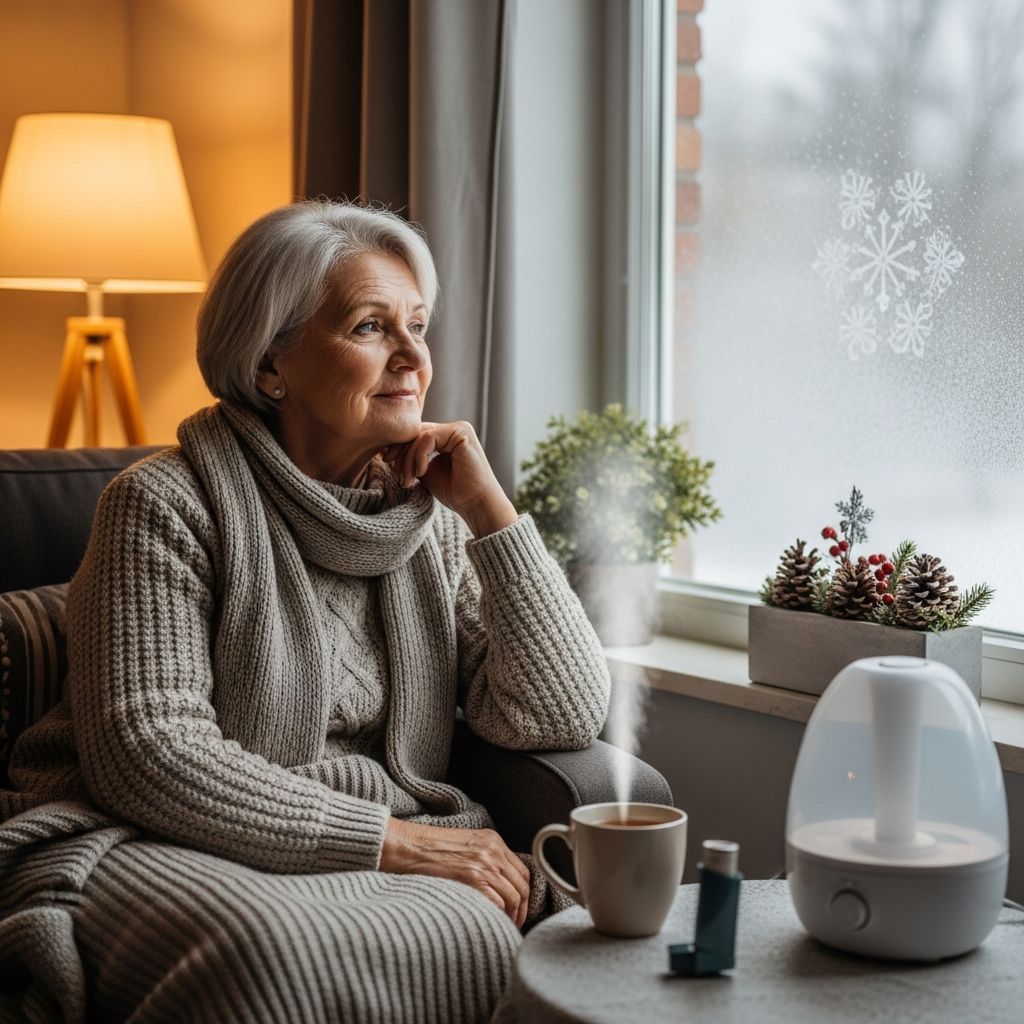
Winter poses significant challenges for people living with
chronic obstructive pulmonary disease (COPD)
, a progressive lung condition characterized by obstructed airflow, persistent cough, and breathlessness. Cold temperatures, dry air, and increased infections can trigger exacerbations, making daily management crucial. This guide covers how COPD affects daily life, why winter worsens it, flare-up signs, and actionable strategies to stay healthy.How does COPD affect people day-to-day?
COPD, encompassing conditions like emphysema and chronic bronchitis, limits airflow due to inflamed and narrowed airways. Daily symptoms include shortness of breath during activities, chronic cough with mucus production, wheezing, and fatigue. These intensify with exertion, poor air quality, or infections, impacting sleep, exercise, and quality of life. Patients often need inhalers, pulmonary rehabilitation, or oxygen therapy for severe cases. Maintaining a routine with medications, balanced nutrition, and light exercise helps manage symptoms year-round, but winter demands extra vigilance.[10]
Can COPD get worse during winter, and how?
Yes, COPD symptoms frequently worsen in winter due to multiple factors. Cold air below 3°C constricts airways, forcing lungs and heart to work harder, narrowing blood vessels and reducing oxygen supply. Dry air thickens mucus, blocking airways and promoting infections like flu, RSV, and COVID-19, which trigger flare-ups. Studies show COPD patients experience 56.6% more exacerbations in winter than summer, with hospital admissions 66% higher. Indoor pollutants from heating and reduced ventilation exacerbate issues, doubling the likelihood of symptom worsening compared to other seasons.
- Cold-induced bronchospasm: Triggers chest tightness and wheezing, especially during activity.
- Dry air effects: Dehydrates airways, thickening mucus.
- Infection risk: Peak season for respiratory viruses.
- Physiological strain: Body’s warming efforts increase respiratory demand.
What are the signs of a COPD flare-up?
A COPD flare-up, or exacerbation, is a sudden worsening requiring prompt action. Watch for:
- Increased breathlessness, even at rest.
- Worsening cough or sputum volume.
- Change in sputum color (yellow/green indicates infection).
- Fever, chills, or fatigue.
- Chest tightness or confusion in severe cases.
Early recognition prevents hospitalization; use rescue inhalers like albuterol, rest, and contact your doctor if symptoms persist beyond 24-48 hours. Severe signs like blue lips or high fever need emergency care.
How can you manage your COPD during the colder months?
Managing COPD in winter involves minimizing triggers and optimizing health. Key strategies include:
Stay Warm Indoors and Out
Keep your home at least 18°C using efficient heaters; avoid open fires or wood stoves that release irritants linked to hospitalizations. Layer clothing outdoors, covering nose and mouth with a scarf or mask to warm/humidify inhaled air. Limit outdoor time, opting for indoor exercises like walking or chair yoga.
Prevent Infections
Vaccinations are vital: annual flu shot, COVID-19 boosters, pneumococcal, and RSV if eligible. Practice hygiene—frequent handwashing, sanitizer, avoid crowds and sick contacts. Good ventilation and masks in public reduce risks.
Related Stories



Follow Your Treatment Plan
Adhere to inhalers, nebulizers, or oxygen therapy; prepare equipment for cold (e.g., insulated oxygen lines). Up to 80% of severe COPD patients use oxygen—ensure supplies are stocked.
Maintain Hydration and Air Quality
Drink 6-8 glasses of water daily or warm teas to thin mucus. Use humidifiers and air purifiers to combat dry indoor air; dust regularly to minimize allergens.
Some other tips for managing your COPD this winter
Beyond basics, these enhance winter resilience:
- Exercise Safely: Aim for 30 minutes daily indoors—pursed-lip or diaphragmatic breathing improves capacity. Avoid overexertion.
- Balanced Diet: Prioritize protein (fish, eggs), calcium (dairy), fruits/veggies for immunity. Avoid heavy meals that strain breathing.
- Quit Smoking: Primary COPD risk factor; cessation reduces exacerbations dramatically.
- Sleep Well: 7-9 hours nightly; elevate head to ease breathing.
- Winter Kit: Pack inhalers, tissues, masks, lozenges, thermometer.
| Winter Challenge | Management Tip | Benefit |
|---|---|---|
| Cold Air | Scarf over mouth | Warms air, reduces constriction |
| Dryness | Humidifier + fluids | Thins mucus |
| Infections | Vaccines + hygiene | Prevents flare-ups |
| Pollutants | Air purifier, no fires | Cleans air |
Frequently Asked Questions (FAQs)
Why does cold weather worsen COPD?
Cold air constricts airways and blood vessels, increasing breathing effort; dry air thickens mucus.
Should I get vaccinated with COPD?
Yes, flu, COVID-19, pneumococcal vaccines are strongly recommended to prevent severe complications.
How can I exercise safely in winter?
Choose indoor activities, use breathing techniques, and start slowly to build tolerance.
What if I notice flare-up signs?
Use rescue inhaler, hydrate, rest; seek medical help if no improvement in 24 hours.
Is home heating safe for COPD lungs?
Use electric/central heating; avoid smoke-producing fires to prevent irritation.
References
- Managing COPD in the Winter — MAC Clinical Research. 2023. https://researchforyou.co.uk/mac-news/managing-copd-in-the-winter/
- Dealing with COPD During Cold Weather — Lincare. 2024. https://www.lincare.com/resources/Lincare-Learning-Center/Dealing-with-COPD-During-Cold-Weather
- Managing COPD during winter — Patient.info. 2023. https://patient.info/features/chest-lungs/how-to-manage-copd-during-winter
- Chronic Obstructive Pulmonary Disease — StatPearls, NCBI Bookshelf. 2023-10-01. https://www.ncbi.nlm.nih.gov/books/NBK559281/
- Can Winter Weather Cause COPD Flare-Ups? — TPMPG. 2023. https://www.mytpmg.com/blog/winter-weather-copd-flare-up/
- COPD (Chronic Obstructive Pulmonary Disease) – Patient.info — Patient.info. 2024. https://patient.info/chest-lungs/chronic-obstructive-pulmonary-disease-leaflet
Similar Articles








Read full bio of medha deb