How To Manage Diabetes During Ramadan: Expert Safety Guide
Essential guidance for Muslims with diabetes to fast safely during Ramadan with risk assessment, diet plans, and medication adjustments.

Managing diabetes during Ramadan requires careful planning to balance religious observance with health safety. Approximately 79% of Muslims with type 2 diabetes and 43% with type 1 diabetes fast during this period, often adjusting medication timings to pre-dawn (Suhoor) and post-sunset (Iftar) meals.
Is it safe to fast with diabetes?
Fasting during Ramadan can be safe for many with diabetes but carries risks like hypoglycemia, hyperglycemia, diabetic ketoacidosis (DKA), and dehydration, especially for those with type 1 diabetes or poorly controlled type 2 diabetes. Rates of severe hypoglycemia increase 4.7-fold in type 1 diabetes patients during fasting. Individual assessment is crucial; not everyone should fast against medical advice.
- Low risk: Well-controlled type 2 diabetes on no medication or certain oral agents, no complications.
- Moderate risk: Type 2 on multiple oral agents or small insulin doses, stable complications.
- High risk: Type 1 diabetes, advanced complications, recent hypoglycemia, or pregnancy—fasting discouraged.
Consult healthcare providers 4-8 weeks before Ramadan for personalized advice.
Pre-Ramadan preparation
Start preparation 6-12 weeks prior with a full medical assessment including HbA1c, blood pressure, lipids, renal function, and risk scoring. Educate on risks, monitoring, diet, and medications. Structured education reduces hypoglycemic events by nearly 50%.
- Review all medications for dose and timing adjustments.
- Assess glycemic control; aim for HbA1c <8% for safer fasting.
- Plan frequent blood glucose (BG) monitoring: 5-7 points daily.
- Discuss breaking fast criteria and emergency contacts.
Follow-up post-Ramadan to review control and challenges for future improvement.
Nutrition advice for Suhoor and Iftar
Medical Nutrition Therapy (MNT) tailored for Ramadan improves BG and triglycerides. Focus on balanced, low-glycemic foods at Suhoor and Iftar.
Suhoor (pre-dawn meal)
The most important meal for sustained energy; eat high-fiber, slow-release carbs to prevent hypoglycemia.
- Whole grains: Oats, barley, whole wheat bread.
- Proteins: Eggs, cheese, yogurt, nuts.
- Healthy fats: Avocado, olive oil.
- Vegetables: Salads, cucumbers.
- Avoid: Sugary foods, refined carbs.
Iftar (breaking fast)
Start with 1-3 dates, water, then balanced meal. Limit dates to 1-2 to avoid spikes.
- Carbs: Whole grains, brown rice.
- Proteins: Lean meats, fish, lentils.
- Vegetables and salads in bulk.
- Fruits: Berries, apples (moderate).
- Hydrate with 2-3 liters water between Iftar and Suhoor.
Avoid overeating at Iftar; emphasize portion control and heart-healthy fats.
Medication and insulin adjustments
Adjust doses and timings to Suhoor/Iftar; never skip insulin entirely to avoid DKA.
Oral medications for type 2 diabetes
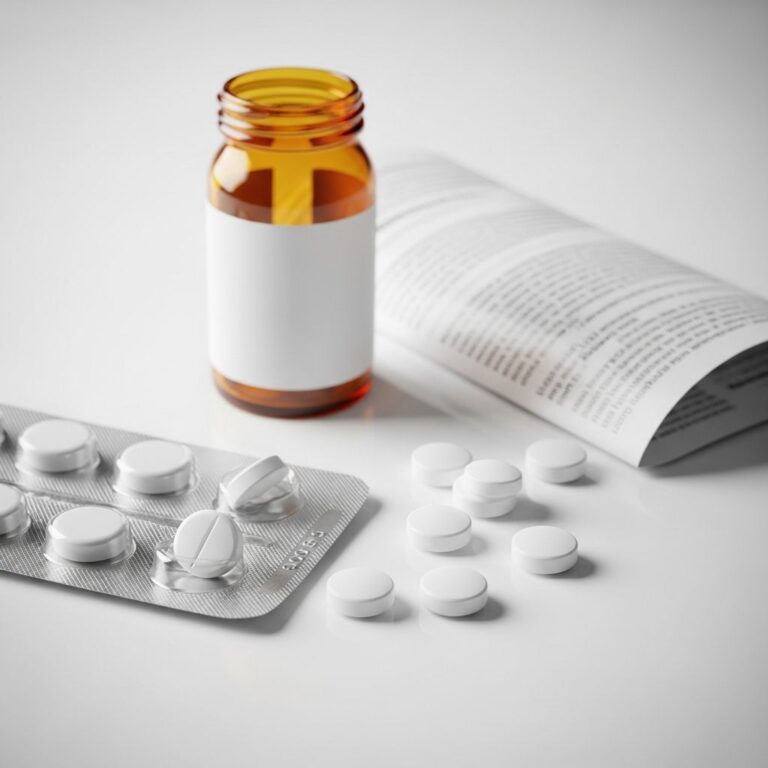
| Medication Class | Dose/Timing Adjustment |
|---|---|
| Metformin | No change; take with meals (Suhoor/Iftar). |
| Sulfonylureas (e.g., Gliclazide) | Reduce dose 50-100%; switch to long-acting if possible. |
| DPP-4 inhibitors/GLP-1 agonists | Safe; minimal hypo risk, no adjustment needed. |
| SGLT2 inhibitors | Reduce dose; monitor for dehydration. |
Insulin adjustments
For basal-bolus regimens:
| Insulin Type | Dose Modification | Timing | Monitoring |
|---|---|---|---|
| Basal (e.g., Glargine) | 30-40% reduction | Iftar | 5-7 point checks |
| Rapid-acting (bolus) | Suhoor: 30-50% reduction; Iftar: adjust per post-meal BG | With meals | Pre/post meals |
Type 1: Prefer analogue insulins; individualize to avoid hypo/hyper.
Blood glucose monitoring
Monitor frequently: pre-Suhoor, pre-Iftar, 2h post-Iftar, bedtime, and if symptoms arise. Use continuous glucose monitors (CGM) if available.
- Normal fasting range: 3.9-7.8 mmol/L (70-140 mg/dL).
- Continuous monitoring essential for insulin users.
Related Stories



Hypoglycaemia
Hypo risk highest 2-5h post-Suhoor or during day. Symptoms: sweating, shakiness, confusion.
- Treat with 15g fast carbs: 4 glucose tabs, 6oz soda, 4oz juice.
- Recheck BG after 15min; repeat if low.
- Break fast if BG <3.9 mmol/L (70 mg/dL) or symptoms persist.
Hyperglycaemia and DKA
Monitor for ketones if BG >14 mmol/L (250 mg/dL). Risk higher with poor control or excessive insulin reduction. Break fast and seek medical help if DKA symptoms (nausea, vomiting, abdominal pain).
Exercise
Avoid strenuous activity during fasting hours; exercise after Iftar or before Suhoor. Light walking post-Iftar aids digestion.
Post-Ramadan care
Schedule follow-up 1-2 weeks after to assess HbA1c, weight, complications. Adjust regimen back gradually; watch for rebound hyperglycemia.
Frequently Asked Questions (FAQs)
Q: Can all people with diabetes fast during Ramadan?
A: No, high-risk individuals like those with type 1 diabetes or recent severe hypo should not fast. Consult your doctor.
Q: What if my blood sugar drops below 4 mmol/L?
A: Break the fast immediately with fast-acting carbs; it’s dangerous to continue.
Q: Do I need to change my insulin doses?
A: Yes, typically reduce basal by 30-40% and adjust bolus; plan with your provider.
Q: How much water should I drink?
A: 2-3 liters between Iftar and Suhoor to prevent dehydration.
Q: Is fasting safe if I’m on oral tablets only?
A: Often yes for low-moderate risk, but adjust sulfonylureas and monitor closely.
Conclusion
Safe fasting requires preparation, education, and vigilance. Work with healthcare teams and religious leaders for support.
References
- Diabetes Management During Ramadan – Endotext — NCBI Bookshelf. 2023. https://www.ncbi.nlm.nih.gov/books/NBK581875/
- Recommendations for Management of Diabetes During Ramadan — Diabetes Care (ADA). 2010-02-01. https://diabetesjournals.org/care/article/33/8/1895/39185/Recommendations-for-Management-of-Diabetes-During
- Fasting during Ramadan with Diabetes — Joslin Diabetes Center. 2022-03. https://joslin.org/news-stories/all-news-stories/education/2022/03/fasting-during-ramadan-diabetes
- How to manage diabetes during Ramadan — Patient.info. Accessed 2026. https://patient.info/features/diabetes/how-to-manage-diabetes-during-ramadan
- Diabetes Management During Times of Religious Fasting / Ramadan — Johns Hopkins Diabetes Guide. Accessed 2026. https://www.hopkinsguides.com/hopkins/view/Johns_Hopkins_Diabetes_Guide/547207/all/Diabetes_Management_During_Times_of_Religious_Fasting___Ramadan
Similar Articles








Read full bio of medha deb