Flight Anxiety: 7 Expert Tips To Manage Fear Of Flying
Practical strategies to overcome fear of flying, from breathing exercises to professional help for calmer air travel.
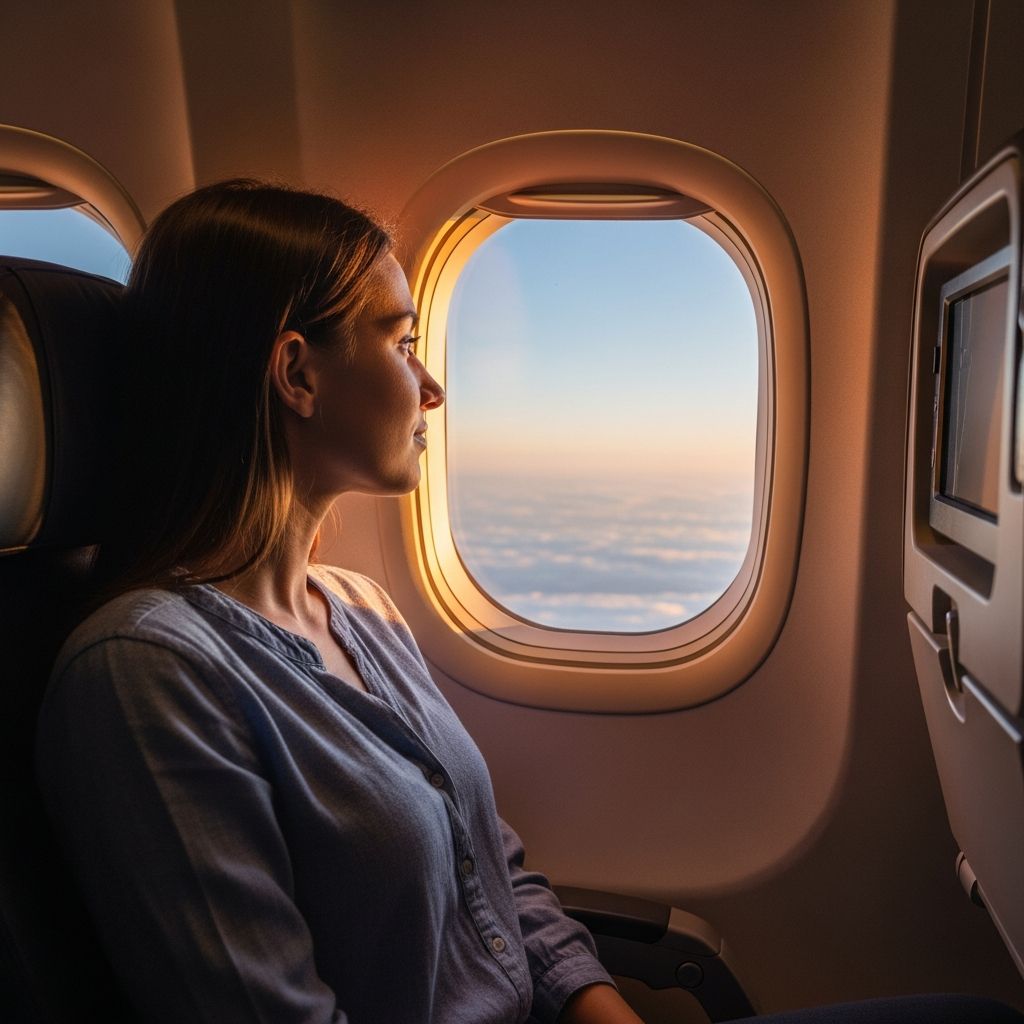
At least 1 in 10 people experience a fear of flying, known medically as aerophobia or aviophobia, which is classified as a situational anxiety disorder.This common issue can manifest as panic attacks, physical symptoms, or avoidance of air travel, significantly impacting life and travel plans.
How does a fear of flying present itself?
Flight anxiety often starts before boarding, with some individuals suffering panic attacks just from thinking about the flight. During the flight, symptoms can include:
- Shaking or trembling.
- Feeling dizzy or nauseous.
- Excessive sweating.
- Rapid heartbeat or palpitations.
- Shortness of breath.
- Full-blown panic attacks.
These reactions stem from the brain perceiving flying as a threat, despite statistical safety. Irrational fears fueled by media or personal worries amplify the response, leading to avoidance behaviors that limit opportunities.
How to get over your fear of flying
1. Practise rhythmic breathing
Breathing exercises are essential for maintaining calm before and during flights. Inhale through your nose for about 5 seconds, then exhale slowly through your mouth for 7-8 seconds, fully emptying your lungs to regulate your nervous system.This technique activates the parasympathetic response, reducing heart rate and anxiety.[10]
Practice daily: one method involves inhaling for 4 seconds, holding for 2, and exhaling for 6. Consistency builds resilience against panic triggers like turbulence.[10]
2. Know your flight
Familiarize yourself with flight details in advance. Check the aircraft type, seat location, and layout via the airline app or website. Knowing where exits, toilets, and service areas are reduces the sense of being trapped.Virtual tours or seat maps provide reassurance and make boarding less overwhelming.
Plan your journey: arrive early, pack liquids in a clear bag, wear easy-to-remove shoes, and avoid jewelry to breeze through security. This proactive approach minimizes pre-flight stress.
3. Educate yourself: Fear of flying vs reality
Counter fears with facts. Commercial aviation is safer than driving; the odds of a catastrophic incident are 1 in millions, with thousands of daily flights worldwide experiencing minimal issues.Survival rates in rare accidents exceed 95%, far higher than car crashes.
| Myth | Reality |
|---|---|
| Planes frequently crash due to turbulence. | Turbulence causes discomfort but never crashes; it’s like bumps on a road. |
| Flying is riskier than driving. | Per mile, flying is 100 times safer; FAA data shows steady decline in incidents. |
| One failure means doom. | Planes have redundant systems; multiple failures are required for issues. |
Study aviation safety stats from reliable sources to rewire anxious thoughts.
How to deal with panic attacks on a plane
If anxiety surges mid-flight, act immediately to prevent escalation. Start rhythmic breathing and close your eyes to visualize calming scenes, like a beach or peaceful walk.Remind yourself: ‘I am safe, in control, and trained crew are here.’ This empowers you in the confined space.
Related Stories



Distraction techniques work well:
- Listen to soothing music or podcasts.
- Watch comforting movies or TV shows.
- Solve puzzles or read a book.
- Count backwards or name objects by color.
Inform cabin crew early—they’re trained for anxiety and can offer reassurance or seating adjustments. Have prescribed meds handy if recommended, like short-acting anxiolytics for severe cases.
Communicate openly with travel companions: explain needs like a quieter seat or space. Honesty prevents misunderstandings, as anxiety can mimic irritability.
Prepare an airplane survival pack
Pack essentials to combat sensory overload and physical discomfort:
- Water bottle (under 100ml): Cabins have low humidity, causing dehydration that worsens dizziness, fatigue, and mood swings. Sip frequently.
- Noise-cancelling headphones: Block engine roar and announcements.
- Eye mask and neck pillow: Promote rest amid lights and seats.
- Snacks: Nuts or fruit to stabilize blood sugar.
- Chewing gum or mints: Equalize ear pressure.
- Hand sanitizer and tissues: For hygiene in close quarters.
- Comfort item: Fidget toy, lavender oil, or photo for grounding.
Tailor to your triggers; preparation signals to your brain that you’re equipped.
Additional strategies for a smoother flight
Plan ahead comprehensively: Book preferred seats (aisle for space), choose direct flights, and arrive 3+ hours early. Avoid caffeine and alcohol, which dehydrate and heighten anxiety.
Stay active: Walk the aisle, do ankle circles, or seated stretches to counter DVT risk and restlessness.
Boost immunity pre-flight with sleep, hydration, and vitamins. Pack patience—stress affects everyone.
Long-term solutions and professional help
For persistent aerophobia, consider:
- Cognitive Behavioral Therapy (CBT): Challenges irrational beliefs; highly effective for phobias.
- Exposure Therapy: Gradual steps from airport visits to short flights, often with meds like sertraline or propranolol for support. One case saw success via local flights building to commercial ones.
- Fear-of-flying courses: Simulate flights, teach facts, and use VR; many report panic-free travel post-course.
Medications: SSRIs for ongoing anxiety, beta-blockers for physical symptoms. Consult a doctor; combine with therapy for best results.
Travel with a supportive companion who knows your cues.
Frequently Asked Questions (FAQs)
Q: How common is fear of flying?
A: It affects at least 1 in 10 people, with some studies suggesting higher rates; it’s a recognized anxiety disorder.
Q: Can medication cure flight anxiety?
A: No, but short-term meds like propranolol reduce symptoms during exposure; therapy addresses root causes.
Q: What if I have a panic attack on the plane?
A: Breathe rhythmically, distract yourself, and alert crew. Most incidents resolve quickly with these steps.
Q: Are fear-of-flying courses effective?
A: Yes, they use education, simulation, and CBT, enabling many to fly confidently.
Q: How can I prevent dehydration on flights?
A: Drink water frequently, avoid alcohol/caffeine, and use a hydrating mist.
Mastering flight anxiety opens travel freedom. Start small, use these tools, and seek help—millions fly daily without issue.
References
- 3 Easy Ways to Combat Airplane Anxiety — Teva Pharmaceuticals. 2023. https://www.tevapharm.com/patients-and-caregivers/all-stories/ways-to-combat-airplane-anxiety/
- How to manage a fear of flying and flying anxiety — Patient.info. 2024. https://patient.info/features/mental-health/how-to-manage-flight-anxiety
- Overcoming Fear of Flying: A Combined Approach — National Library of Medicine (PMC). 2023-07-05. https://pmc.ncbi.nlm.nih.gov/articles/PMC10312254/
- Health issues to be aware of when you fly — Patient.info. 2024. https://patient.info/features/travel-and-vaccinations/health-issues-to-be-aware-of-when-you-fly
- How to have a healthy flight — Patient.info. 2024. https://patient.info/features/travel-and-vaccinations/how-to-have-a-healthy-flight
- Aerophobia (Fear of Flying): Causes, Symptoms & Treatment — Cleveland Clinic. 2023. https://my.clevelandclinic.org/health/diseases/22431-aerophobia-fear-of-flying
Similar Articles








Read full bio of Sneha Tete