How to Manage Your Heartburn at Christmas
Expert tips to enjoy festive feasts without the burn of heartburn this Christmas season.
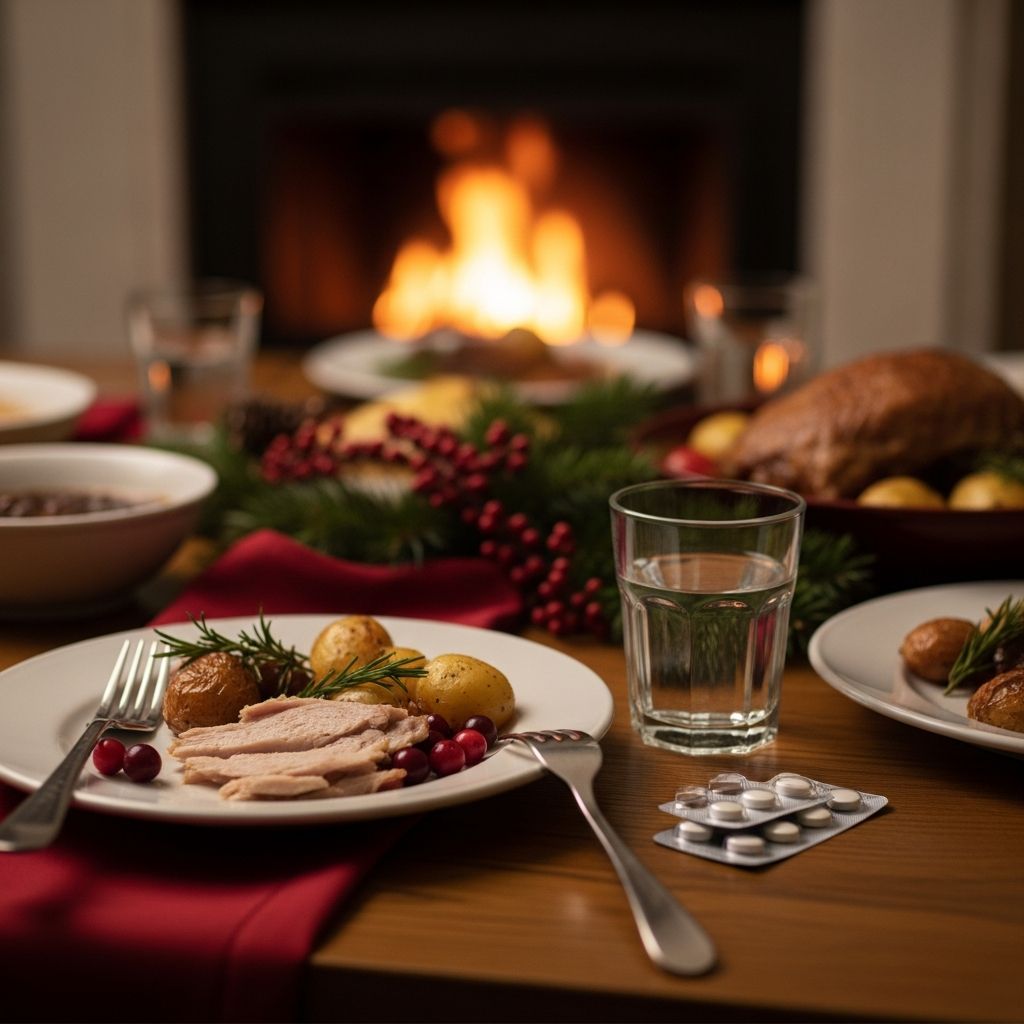
Christmas is a time for indulgence in rich festive foods, family gatherings, and celebratory drinks. However, for the millions who suffer from heartburn or gastroesophageal reflux disease (GERD), the holiday season can trigger uncomfortable symptoms like burning chest pain, regurgitation, and bloating. Heartburn occurs when stomach acid flows back into the esophagus, often worsened by large meals, fatty foods, alcohol, and lying down soon after eating. The good news is that with simple strategies, you can savor the festivities without the burn.
This guide covers everything from understanding triggers to practical tips for prevention, meal management, and when to seek professional help. By making mindful choices, you can enjoy turkey, mince pies, and mulled wine while keeping symptoms at bay.
What Causes Heartburn During the Holidays?
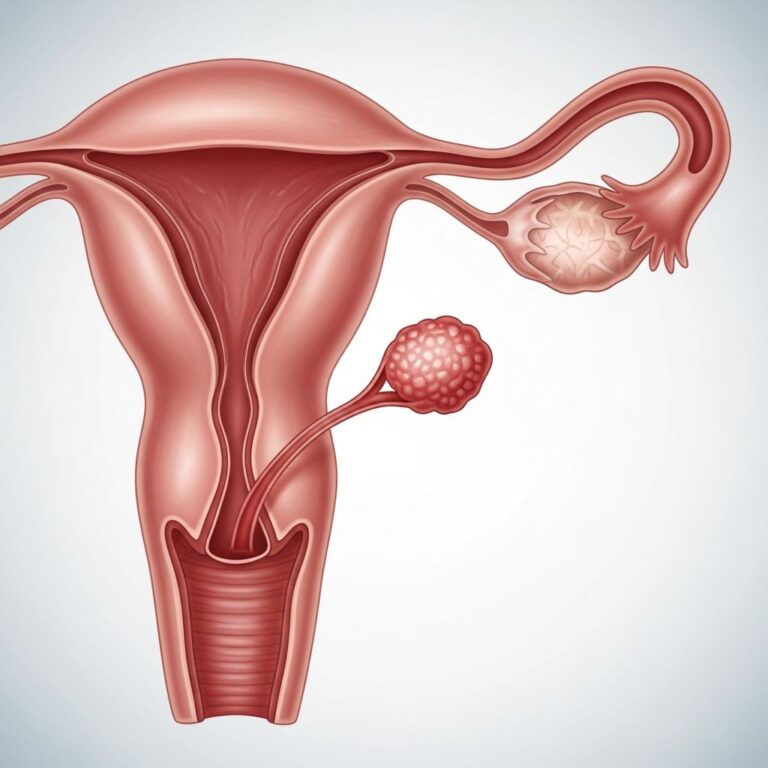
Heartburn, a common symptom of acid reflux, happens when the lower esophageal sphincter (LES)—a muscle that acts as a valve between the stomach and esophagus—relaxes inappropriately, allowing acid to escape upward. During Christmas, several factors exacerbate this:
- Rich, fatty foods: Roast potatoes, gravy, and creamy desserts slow digestion and increase acid production.
- Spicy and acidic items: Cranberry sauce, spicy stuffing, and citrus-based drinks irritate the esophagus lining.
- Alcohol and caffeine: Mulled wine, beer, and coffee relax the LES.
- Overeating: Large holiday meals stretch the stomach, pressuring the LES.
- Lifestyle habits: Late-night snacking, tight clothing, and stress from holiday preparations.
For those with GERD—a chronic form of reflux affecting up to 20% of adults—these triggers can lead to more severe issues like esophagitis or Barrett’s esophagus if unmanaged. Recent guidelines emphasize lifestyle modifications as first-line management.
Smart Food Choices: Eat This, Not That
Navigating Christmas dinner doesn’t mean deprivation. Focus on heartburn-friendly alternatives that still feel festive.
| Avoid (Triggers) | Choose Instead (Gentler Options) |
|---|---|
| Fried foods (e.g., pigs in blankets, chips) | Grilled or baked (e.g., roasted veggies, turkey breast) |
| Fatty meats (dark turkey, goose) | Lean proteins (white turkey, fish, tofu) |
| Acidic/spicy (cranberry sauce, hot sauces) | Mild flavors (herb-roasted roots, gingerbread without spice overload) |
| Chocolate, peppermint, creamy desserts | Fruit sorbets, low-fat yogurt, poached pears |
| Alcohol (wine, beer), fizzy drinks | Water, herbal teas, sparkling water with lemon (sparingly) |
Incorporate alkaline foods like bananas, melons, or oatmeal to neutralize acid. Opt for ginger-based treats, as ginger aids digestion without irritation. Portion control is key—use smaller plates to trick your brain into feeling satisfied with less.
Lifestyle Tips to Prevent Heartburn Flare-Ups
Beyond diet, small changes make a big difference.
- Timing meals: Eat your main meal earlier; finish at least 3 hours before bed to allow digestion.
- Chew slowly: Take time to eat mindfully, reducing air swallowing and overeating.
- Stay upright: No post-meal naps—go for a gentle walk to promote digestion.
- Loose clothing: Avoid belts and tight waistbands that pressure the stomach.
- Elevate sleep: Raise bed head by 6-8 inches for nighttime relief.
- Manage stress: Holiday anxiety boosts acid; try deep breathing or short yoga.
The COMFORT acronym from experts sums it up: Comfortable clothes, avoid Overeating, choose low-acid Meals, OTC meds if needed, Relax, stay Fit with movement, Timing meals right.
Related Stories



Managing GERD Specifically at Christmas
If you have diagnosed GERD, holidays pose extra challenges, but targeted strategies help. Eat smaller, frequent meals instead of one big feast. Skip triggers like dairy-heavy sauces (opt for plant-based) and chocolate.
- Choose light turkey over dark meat for less fat.
- Low-calorie desserts: Skip chocolate; try frozen yogurt.
- Post-meal activity: Dance or walk to aid motility.
- Quit smoking and limit NSAIDs, which worsen reflux.
For chronic cases, discuss proton pump inhibitors (PPIs) with your doctor, but guidelines stress testing for true GERD before long-term use.
Over-the-Counter Remedies and When to Use Them
Keep antacids (e.g., Gaviscon), H2 blockers (ranitidine alternatives), or PPIs handy. Take antacids post-meal for quick relief; PPIs 30-60 minutes before eating trigger foods. Consult a pharmacist for interactions, especially with holiday meds.
Warning: If symptoms persist >2 weeks, see a doctor.
When to See a Doctor
Occasional heartburn is normal, but seek advice if:
- Heartburn >2x/week or unresponsive to OTC.
- Difficulty swallowing, weight loss, chronic cough.
- Chest pain mimicking heart issues (ER immediately).
- Nighttime awakening or vomiting blood.
These could signal esophagitis, ulcers, or rarely cancer. Endoscopy may be recommended per guidelines.
Frequently Asked Questions (FAQs)
Can I drink alcohol at Christmas with heartburn?
Sparingly—stick to low-alcohol options or non-alcoholic mulled ‘wine’. Alcohol relaxes the LES.
What’s the best post-Christmas dinner activity?
A gentle 20-minute walk; avoid intense exercise or lying down.
Are there heartburn-safe Christmas desserts?
Yes: Apple crumble (no cream), rice pudding, or fruit salad.
How does stress affect heartburn?
It increases acid production; practice mindfulness.
Is heartburn the same as GERD?
Heartburn is a symptom; GERD is chronic reflux.
Final Thoughts for a Burn-Free Christmas
Plan ahead: Pre-portion snacks, hydrate, and communicate needs at gatherings. With these tips, you can focus on joy, not discomfort. Merry Christmas—digestively merry!
References
- Eat this, not that, to avoid holiday heartburn — Baylor Scott & White Health. 2023. https://www.bswhealth.com/blog/eat-this-not-that-to-avoid-holiday-heartburn
- COMFORTing Tips to Avoid Holiday Heartburn — Virtua Health. 2023. https://www.virtua.org/articles/7-tips-to-avoid-holiday-heartburn
- How to deal with Christmas indigestion — Patient.info. 2023. https://patient.info/features/digestive-health/how-to-deal-with-christmas-indigestion
- Festive Foods and Heartburn, Acid Reflux and GERD — Banner Health. 2023. https://www.bannerhealth.com/healthcareblog/better-me/holiday-gerd
- Guidelines for the Diagnosis and Management of Gastroesophageal Reflux Disease — PMC / American College of Gastroenterology. 2022-03-15. https://pmc.ncbi.nlm.nih.gov/articles/PMC8754510/
Similar Articles








Read full bio of Sneha Tete