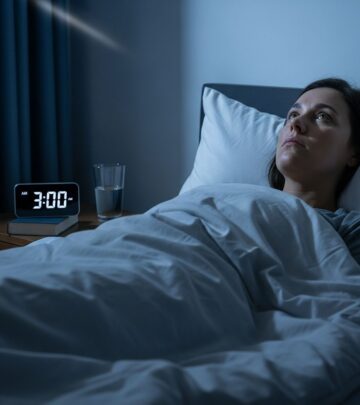
How to Manage Your Mental Health if You’ve Been Made Redundant
Expert strategies to safeguard your mental wellbeing after job loss and redundancy, promoting resilience and recovery.

Being made redundant can feel like a devastating blow, triggering intense emotions such as shock, anger, anxiety, and grief. These reactions are normal responses to a major life disruption, but without proper management, they can escalate into clinical depression or prolonged stress. This comprehensive guide outlines evidence-based strategies to protect your mental health during this challenging period, drawing on expert advice and research to help you regain control and build resilience.
The Emotional Impact of Redundancy
Redundancy often strikes unexpectedly, shattering your sense of security and identity tied to your career. Studies show that job loss correlates with heightened risks of mental health issues, including a 20-30% increase in depressive symptoms and anxiety disorders in the first six months post-redundancy. Feelings of failure, worthlessness, and uncertainty about the future are common, compounded by financial pressures and social isolation.
Recognizing these emotions as temporary is crucial. According to mental health experts, acknowledging your feelings without judgment is the first step toward recovery. Suppressing them can lead to rumination, worsening symptoms over time. Instead, allow yourself a period of mourning the loss before shifting focus to actionable steps.
Create a New Routine
One of the most effective ways to combat the disorientation of redundancy is establishing a structured daily routine. Without the framework of work, days can blur into lethargy, exacerbating low mood. Aim to wake up and go to bed at consistent times, schedule meals, incorporate exercise, and allocate blocks for job searching and self-care.
- Wake early: Mimic your previous work schedule to maintain circadian rhythms, which regulate mood and energy.
- Plan activities: Include short walks, household tasks, or hobbies to foster accomplishment.
- Get daylight: Exposure to natural light boosts serotonin levels, countering depressive tendencies.
Experts emphasize pushing through initial resistance: “It is all too easy to give in to feelings of lethargy and hopelessness, but fresh air and daylight each day can make a significant difference,” notes counselor Sarah Iles.
Stay Physically Active
Exercise is a proven antidote to mental health decline post-redundancy. Physical activity releases endorphins, reduces cortisol (stress hormone), and improves sleep quality. Research from the NHS recommends at least 150 minutes of moderate exercise weekly, such as brisk walking, cycling, or yoga.
| Activity Type | Benefits | Duration Suggestion |
|---|---|---|
| Brisk walking | Boosts mood, accessible | 30 mins daily |
| Yoga/Pilates | Reduces anxiety, builds mindfulness | 20-45 mins, 3x/week |
| Strength training | Increases confidence, combats lethargy | 2-3 sessions/week |
Start small if motivation is low— even 10-minute sessions accumulate benefits. Group activities like virtual fitness classes can also rebuild social connections.
Maintain Social Connections
Isolation amplifies redundancy’s toll, so prioritize reaching out to friends, family, and networks. Sharing experiences normalizes feelings and opens opportunities. Join online forums or local support groups for those facing job loss.
- Schedule regular calls or meetups.
- Volunteer to stay engaged and purposeful.
- Leverage professional networks like LinkedIn for encouragement.
Related Stories



Avoid withdrawing; social support buffers against depression, as evidenced by longitudinal studies on unemployment.
Manage Finances Proactively
Financial uncertainty fuels anxiety. Create a budget tracking income (benefits, savings) against essentials. Contact creditors early for hardship plans, and explore entitlements like Universal Credit or redundancy pay.
Practical steps:
- Calculate outgoings for 3-6 months.
- Apply for Jobseeker’s Allowance promptly.
- Seek free debt advice from Citizens Advice.
Reframing finances as a solvable puzzle reduces overwhelm, preserving mental bandwidth for job hunting.
Job Search Without Burnout
Balance proactive searching with self-care to avoid exhaustion. Dedicate specific hours (e.g., 9am-12pm) to updating CVs, applications, and networking, then disengage.
- Update profiles on job sites.
- Tailor applications to highlight transferable skills.
- Consider upskilling via free online courses (Coursera, FutureLearn).
Treat rejections as data, not personal failures—persistence pays off, with average job searches lasting 3-6 months.
Monitor for Signs of Depression or Anxiety
Watch for persistent low mood, sleep changes, appetite shifts, or hopelessness. If symptoms last over two weeks, seek help. Self-refer to NHS talking therapies (IAPT) or consult your GP. Private options like video counseling provide quick access.
Red flags include:
- Withdrawal from activities.
- Suicidal thoughts—contact Samaritans (116 123) immediately.
Avoid Unhealthy Coping Mechanisms
Steer clear of alcohol, drugs, or overeating, which offer short-term relief but deepen depression. Hydrate, eat balanced meals rich in omega-3s and B-vitamins, and limit caffeine.
“Turning to alcohol or substances should be avoided at all costs—they may bring temporary relief but create additional problems,” advises Iles.
Practice Mindfulness and Relaxation
Techniques like mindfulness meditation, deep breathing, or journaling interrupt negative thought loops. Apps such as Headspace offer guided sessions tailored to stress.
- Daily 10-minute practice.
- Gratitude journaling: Note three positives nightly.
- Progressive muscle relaxation for anxiety.
Evidence from randomized trials shows mindfulness reduces redundancy-related stress by 25-40%.
Seek Professional Support
If self-help falls short, professional intervention is vital. GPs can assess for medication or referrals. Cognitive Behavioral Therapy (CBT) effectively reframes unhelpful thoughts about job loss.
In the UK:
- NHS IAPT: Self-refer online.
- Private counseling via platforms like Patient Access.
- Charities: Mind, Rethink Mental Illness.
Long-Term Resilience Building
Beyond immediate coping, cultivate adaptability: Diversify skills, build emergency funds, and nurture work-life balance. View redundancy as a pivot to fulfilling opportunities.
Research indicates resilient individuals recover faster, with proactive routines linked to 50% quicker re-employment.
Frequently Asked Questions (FAQs)
How long do mental health effects of redundancy last?
Typically 3-6 months with support, but varies. Early intervention shortens duration.
Should I tell my GP about redundancy?
Yes, context aids accurate diagnosis and tailored support.
Can exercise really help with job loss depression?
Absolutely—meta-analyses confirm it rivals antidepressants for mild-moderate cases.
What if I feel suicidal after redundancy?
Contact Samaritans (116 123) or A&E immediately. You’re not alone.
Is it normal to feel angry about redundancy?
Yes, part of the grief process. Channel into productive action.
References
- Continuity of Care: How to Retain Patients and Reduce Redundancy — Creyos. 2023. https://creyos.com/blog/continuity-of-care
- When less is more: reducing redundancy in mental health and psychosocial instruments — NIH/PMC. 2020-02-07. https://pmc.ncbi.nlm.nih.gov/articles/PMC7003529/
- Length and Redundancy of Outpatient Progress Notes Across a Large Health Care System — JAMA Network Open. 2022-01-19. https://jamanetwork.com/journals/jamanetworkopen/fullarticle/2782054
- Barriers and Solutions to Comprehensive Care for Mental Health Patients in Hospital Emergency Departments — International Journal of Mental Health. 2023. https://www.mentalhealthjournal.org/articles/barriers-solutions-comprehensive-care-mental-health-patients-hospital-emergency-departments.html
- How to manage your mental health if you’ve been made redundant — Patient.info. 2023. https://patient.info/features/general-health/how-to-manage-your-mental-health-if-youve-been-made-redundant
Similar Articles








Read full bio of Sneha Tete