How to Measure Your Waist: A Complete Guide
Learn the proper technique to measure your waist accurately for better health tracking.
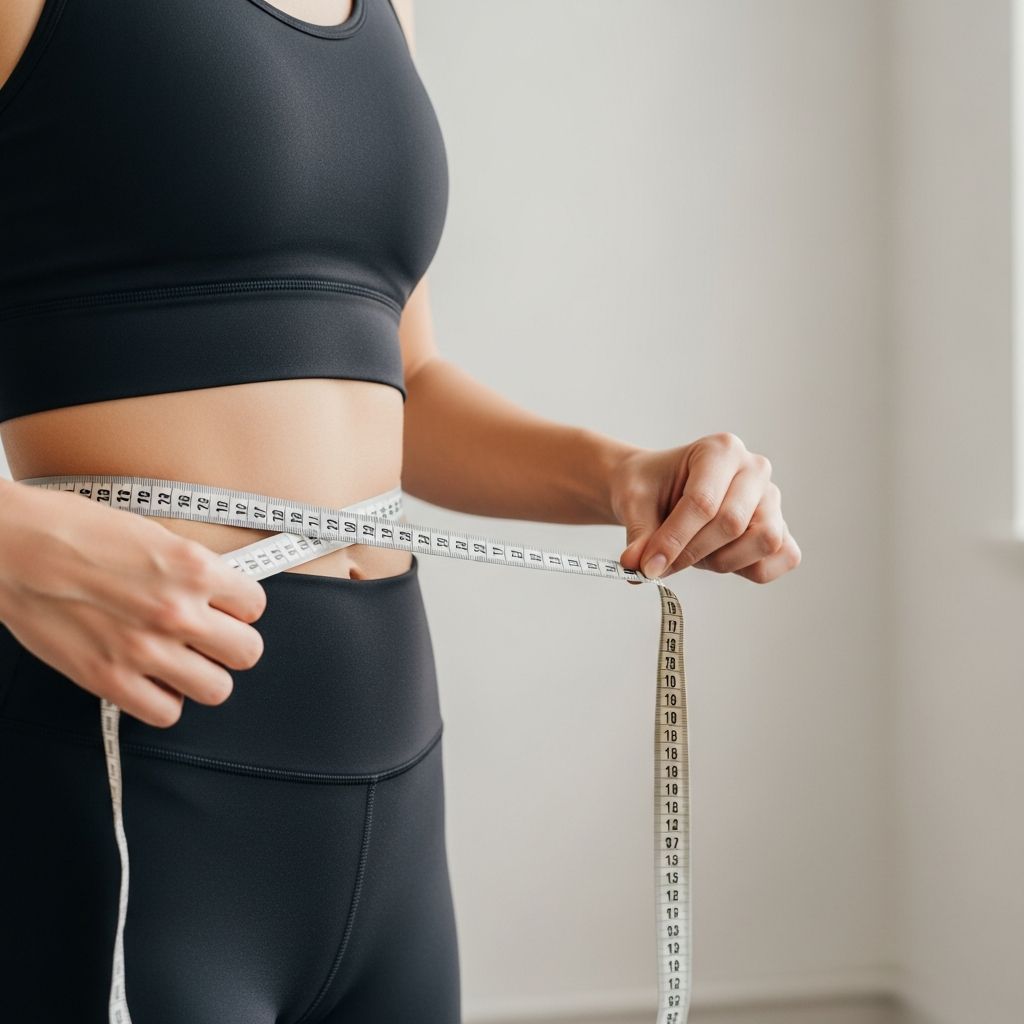
Measuring your waist is one of the simplest yet most important health assessments you can perform at home. Unlike many other health metrics that require special equipment or professional expertise, waist measurement is straightforward and provides valuable insights into your overall health status. Whether you’re tracking fitness progress, monitoring health risks, or simply curious about your body composition, understanding how to measure your waist accurately is essential. This guide walks you through the proper technique, explains what your measurements mean, and helps you use this information to make informed health decisions.
Why Waist Measurement Matters
Your waist circumference is far more than just a number on a measuring tape. Research has shown that where you carry weight on your body is just as important as how much you weigh overall. Abdominal fat, particularly visceral fat that surrounds your organs, is associated with increased risk of heart disease, diabetes, high blood pressure, high cholesterol, and nonalcoholic fatty liver disease. By regularly measuring your waist, you gain insight into whether you’re carrying excess weight in this particularly risky area.
Waist measurement is often used alongside Body Mass Index (BMI) to provide a more complete picture of your health status. While BMI measures overall body fat based on height and weight, waist circumference specifically identifies abdominal obesity. This combination gives healthcare providers and individuals a clearer understanding of health risks than either measurement alone.
What You’ll Need
Measuring your waist requires minimal equipment. You’ll need:
- A soft, flexible measuring tape (cloth tape measures work best)
- A mirror (optional but helpful for accuracy)
- A pen and paper to record your measurement
If you don’t have a measuring tape available, you can use a piece of string or even clean toilet paper, then measure it against a ruler or tape measure afterward. The key is using something flexible that won’t stretch during measurement.
Step-by-Step: How to Measure Your Waist
Step 1: Locate Your Measurement Point
The first step in accurate waist measurement is finding the correct location on your body. This is where many people make mistakes, so pay careful attention to this step. Using your hands, feel for two bony landmarks:
- Your lowest rib (the bottom edge of your rib cage)
- The top of your hip bone (the iliac crest)
Find the midpoint between these two landmarks. This point will typically be roughly level with your belly button, though this can vary slightly from person to person. This location is recommended by both the WHO and NIH guidelines as it provides the most reliable and feasible measurement point.
Step 2: Position the Tape Measure
Once you’ve identified your measurement point, wrap the soft tape measure around your middle at this location. Ensure the tape measure is parallel to the ground and goes completely around your torso. The tape should be snug against your skin but not pulled tight or digging in.
Related Stories



Step 3: Take Your Measurement
With the tape measure in place, breathe out naturally without holding your stomach in or pushing it out. This is crucial—you want a natural, relaxed measurement, not an artificially reduced one. Read the measurement where the tape meets itself and record this number. Take the measurement in the same units you typically use (centimeters or inches) to maintain consistency for future comparisons.
Step 4: Record and Monitor
Write down your measurement along with the date. Measuring periodically—monthly or quarterly—allows you to track changes over time and see the results of lifestyle modifications or fitness efforts.
Understanding Waist Circumference Standards
Once you have your measurement, the next step is understanding what it means for your health. Waist circumference thresholds vary slightly depending on your sex and BMI category:
| BMI Category | Women (cm) | Men (cm) |
|---|---|---|
| Normal Weight (18.5–24.9) | ≥80 | ≥90 |
| Overweight (25–29.9) | ≥90 | ≥100 |
| Obese I (30–34.9) | ≥105 | ≥110 |
| Obese II and III (≥35) | ≥115 | ≥125 |
In general terms, a waist circumference greater than 40 inches (102 cm) for men and greater than 35 inches (88 cm) for women is considered elevated and indicative of increased cardiometabolic risk.
Waist-to-Height Ratio: An Alternative Measurement
Another useful health metric is your waist-to-height ratio, which compares your waist measurement to your height. This ratio provides additional context for your measurements and is considered by many health professionals to be an excellent indicator of whether you’re carrying excess weight around your midsection.
How to Calculate Your Waist-to-Height Ratio
Calculating your waist-to-height ratio is simple. Divide your waist measurement by your height, making sure both measurements are in the same units. For example, if your waist is 80 centimeters and you are 160 centimeters tall:
80 ÷ 160 = 0.5
A waist-to-height ratio of 0.5 or below is considered healthy. This means your waist should be approximately half of your height. If your result is between 0.5 and 0.59, your risk of health problems related to abdominal weight increases. If your ratio exceeds 0.6, the risk increases further. Conversely, a ratio between 0.4 and 0.49 is generally considered optimal.
Self-Measurement vs. Professional Measurement
Research shows that self-measured waist circumference correlates well with professionally measured waist circumference, with strong correlation coefficients ranging from 0.8 to 0.9 for both men and women. This means you can reliably measure your own waist at home.
However, it’s important to note that both men and women tend to underestimate their waist measurements when measuring themselves compared to technician-measured values, with differences typically ranging from 1 to 3 centimeters. This underestimation is more pronounced in individuals with higher BMI and larger baseline waist circumference. Being aware of this tendency can help you remain objective and accurate in your self-measurements.
Tips for Accurate Waist Measurement
To ensure your waist measurements are as accurate as possible, follow these best practices:
- Measure at the same time of day: Your waist measurement can fluctuate throughout the day depending on meals and hydration. Measure at the same time daily or weekly for consistency.
- Use the same measuring tape: Different tapes may have slight variations. Using the same tape ensures consistency across measurements.
- Don’t hold your breath: Breathe naturally and exhale before taking your measurement. Holding your breath artificially reduces your measurement.
- Avoid measuring after meals: Bloating after eating can temporarily increase your waist measurement.
- Be consistent with placement: Use the same anatomical landmarks (midpoint between rib cage and hip bone) for every measurement.
- Keep the tape level: Ensure the tape measure remains parallel to the ground all the way around your waist.
- Don’t pull too tight: The tape should be snug but not compress your skin or restrict breathing.
When to Consult Your Healthcare Provider
While waist measurement is a valuable self-assessment tool, certain situations warrant professional medical guidance. Contact your healthcare provider if:
- Your waist size is more than half your height and you’re concerned about this finding
- You have or suspect you may have an eating disorder
- Your waist circumference puts you in a high-risk category and you’re unsure how to proceed
- You want personalized guidance on healthy waist measurements based on your individual health profile
Using Waist Measurement for Health Tracking
Beyond calculating health risks, waist measurement serves as a practical tool for monitoring your progress toward fitness and wellness goals. Many people find that tracking how their clothes fit provides a tangible, motivating reminder of their efforts. When your pants feel looser or tighter around the waist, it’s often a more noticeable indicator of change than the number on a scale.
Regular waist measurement creates accountability and helps you identify patterns. If your waist measurement remains stable or decreases, it suggests your diet and exercise efforts are effectively managing abdominal fat—even if overall weight doesn’t change significantly.
Measurement Protocol Standardization
While various measurement protocols exist, research indicates that the two most reliable methods are measuring at the midpoint between the lower rib and iliac crest (WHO method) or at the superior border of the iliac crest (NIH method). The differences between these methods are minimal for men but can be slightly larger for women (approximately 1-2 centimeters). What matters most is consistency—choose one method and stick with it for accurate tracking over time.
Frequently Asked Questions
Q: How often should I measure my waist?
A: For health tracking purposes, measuring monthly or quarterly is typically sufficient to notice meaningful changes. Measuring more frequently (weekly) may show normal fluctuations from diet and hydration, which can be discouraging.
Q: Is waist measurement accurate for everyone?
A: Waist measurement is generally reliable for most adults. However, it may be less accurate for individuals with a BMI of 35 or higher, as nearly all individuals in this category have abnormal waist circumference, making the measurement less useful for risk stratification.
Q: Can I measure my waist over clothing?
A: For the most accurate measurement, measure against your skin or with minimal, thin clothing. Measuring over thick clothing like sweaters can distort your results.
Q: What if my measurements are in the high-risk range?
A: If your waist circumference indicates elevated health risk, focus on sustainable lifestyle changes including balanced nutrition, regular physical activity, and stress management. Consult with your healthcare provider for personalized recommendations.
Q: Does waist measurement alone determine health risk?
A: No. Waist circumference should be evaluated alongside BMI, blood pressure, cholesterol levels, and other health markers for a comprehensive health assessment.
Q: How accurate is self-measurement compared to professional measurement?
A: Self-measurements correlate very well with professional measurements (0.8-0.9 correlation), though self-measured values tend to be 1-3 centimeters lower than professional measurements.
References
- How to Measure Your Waist — NHS. 2024-01-31. https://www.youtube.com/watch?v=dwk8sVCKuio
- Waist Circumference as a Vital Sign in Clinical Practice: A Consensus Statement — National Center for Biotechnology Information (NCBI). https://pmc.ncbi.nlm.nih.gov/articles/PMC7027970/
- Effects of Waist Size on Your Health — HonorHealth. https://www.honorhealth.com/healthy-living/effects-waist-size-your-health
Similar Articles








Read full bio of medha deb