How to Moisturize Your Skin: A Complete Guide
Master the art of skin moisturization with science-backed tips and techniques for healthy, hydrated skin.
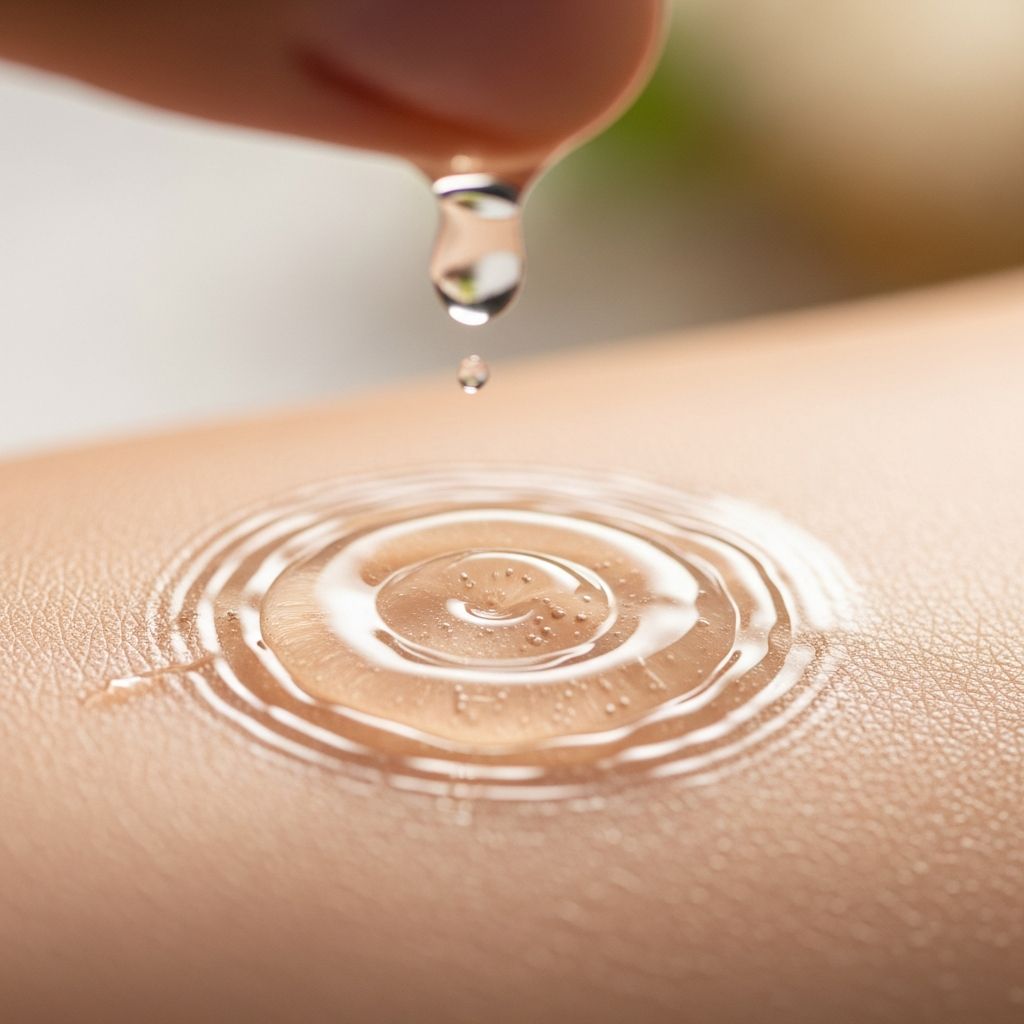
Proper skin moisturization is one of the most fundamental aspects of a healthy skincare routine. Whether you have dry, oily, combination, or sensitive skin, maintaining adequate hydration is essential for skin health, appearance, and protection. This comprehensive guide will walk you through everything you need to know about moisturizing your skin effectively.
Understanding Skin Hydration and Moisture
Skin hydration refers to the amount of water present in the skin’s outer layers. The stratum corneum, your skin’s outermost layer, acts as a barrier that helps retain moisture. When this barrier becomes compromised, water evaporates more easily, leading to dry, flaky, and uncomfortable skin. Understanding the difference between dehydration and dryness is crucial—dehydration means your skin lacks water, while dryness typically refers to a lack of natural oils.
The key molecule involved in skin moisture is hyaluronic acid (HA), which plays a vital role in maintaining skin hydration. HA is a hygroscopic molecule with the remarkable ability to bind 1000 times its volume in water, making it exceptionally effective at drawing moisture into the skin from the dermis to the epidermis.
Why Moisturizing Matters
Moisturizing your skin provides numerous benefits beyond simply making it feel soft and smooth. Regular moisturization:
- Reduces the appearance of fine lines and wrinkles by plumping the skin with hydration
- Improves skin elasticity and firmness
- Strengthens the skin barrier function, protecting against environmental stressors
- Reduces irritation, redness, and inflammation
- Prevents excessive oil production in oily skin types
- Helps maintain a healthy, radiant complexion
- Supports skin healing and rejuvenation processes
Choosing the Right Moisturizer for Your Skin Type
The most effective moisturizer is one that matches your specific skin type and concerns. Understanding your skin type is the first step in selecting an appropriate product.
For Dry Skin
Dry skin requires heavier, more occlusive moisturizers that lock in moisture and create a protective barrier. Look for products containing ceramides, peptides, and nourishing oils. Rich creams and balms work better than lightweight lotions for this skin type. Ingredients like shea butter, glycerin, and plant oils provide intense hydration and nourishment.
For Oily Skin
Oily skin still needs moisturization, but lightweight, non-comedogenic formulas are essential. Gel-based moisturizers, serums, or water-based lotions work well without clogging pores. Hyaluronic acid serums provide hydration without adding heaviness. Matte-finish moisturizers can help control shine while maintaining hydration.
For Combination Skin
Combination skin benefits from lightweight moisturizers that hydrate without being too heavy. Consider using different products in different zones—a lighter formula on oily areas and a richer cream on dry patches. Balanced formulas with hyaluronic acid and ceramics work well for this skin type.
For Sensitive Skin
Sensitive skin requires gentle, fragrance-free moisturizers with minimal ingredients. Look for products containing soothing ingredients like chamomile, aloe vera, or centella asiatica. Avoid products with potential irritants like alcohol, synthetic fragrances, or strong exfoliants.
Key Ingredients in Effective Moisturizers
Understanding important moisturizing ingredients helps you make informed product choices. Here are the most effective components:
Related Stories



Hyaluronic Acid
Hyaluronic acid stands as one of the most effective moisturizing ingredients available. HA-based cosmeceuticals have demonstrated significant efficacy in improving skin hydration, rejuvenation, and reducing signs of aging.
Research shows that both high molecular weight (HMW) and low molecular weight (LMW) HA provide benefits—HMW-HA improves hydration of upper epidermis layers and reduces transepidermal water loss, while LMW-HA penetrates deeper into the dermis.
Clinical studies demonstrate that HA formulations can improve skin hydration, elasticity, fine lines, and overall skin texture within 2-24 weeks of consistent use.
Ceramides
Ceramides are lipid molecules that naturally occur in skin and help maintain the skin barrier. They prevent moisture loss and protect against environmental irritants. Moisturizers containing ceramides are particularly beneficial for dry or compromised skin.
Glycerin
Glycerin is a humectant that draws water from the environment and deeper skin layers into the outer layers. It’s lightweight, suitable for most skin types, and works synergistically with other ingredients. Glycerin-based moisturizers are particularly effective for dehydrated skin.
Peptides
Peptides are amino acid chains that support collagen production and skin firmness. They help improve skin texture, elasticity, and the appearance of fine lines when combined with other hydrating ingredients.
Plant Oils and Butters
Natural oils like jojoba, argan, and rosehip oils, as well as shea butter and coconut oil, provide nourishment and create an occlusive layer that prevents moisture loss. These ingredients are particularly beneficial for dry or mature skin.
Proper Moisturizer Application Techniques
How you apply your moisturizer is just as important as which product you choose. Proper application ensures maximum absorption and effectiveness.
Timing is Everything
Apply moisturizer immediately after cleansing while your skin is still slightly damp. This timing allows the product to seal in moisture and increases absorption. For serums, apply them first on clean skin, then follow with your moisturizer. This layering technique, known as “hydration layering,” maximizes benefits.
Use the Right Amount
A little goes a long way with most moisturizers. Use approximately a pea-sized to nickel-sized amount for your face, depending on the product’s texture. Using too much product can leave skin feeling greasy and may clog pores. Too little product won’t provide adequate hydration and coverage.
Application Method
Warm the product between your palms before applying to your face. Use gentle upward strokes to apply the moisturizer, following the natural contours of your face. This massage-like application improves circulation and product absorption. Be especially gentle around the delicate eye area.
Don’t Forget Often-Missed Areas
Extend moisturizer application beyond your face to include your neck and décolletage, as these areas show aging as dramatically as the face but are often neglected. These zones have thinner skin and fewer oil glands, making them more prone to dryness.
Building an Effective Moisturizing Routine
An effective skincare routine incorporates moisturizing at strategic points throughout the day.
Morning Routine
Start with a gentle cleanser to remove overnight oil and impurities. Apply a hydrating toner or essence if desired, then use a lightweight moisturizer appropriate for daytime use. Always finish with a broad-spectrum sunscreen (SPF 30 or higher), as sun protection is crucial for maintaining skin health and preventing premature aging.
Evening Routine
Cleanse your skin thoroughly to remove makeup, dirt, and pollutants. Consider using a hydrating serum with hyaluronic acid or other moisturizing ingredients to boost hydration. Apply a richer night cream or moisturizer, as your skin’s repair processes are most active during sleep. Your skin is more receptive to treatment ingredients at night.
Weekly Treatments
Incorporate a hydrating face mask once or twice weekly to provide an intensive moisture boost. Sheet masks or cream masks with hyaluronic acid and peptides deliver concentrated hydration. These treatments provide supplementary benefits beyond daily moisturizing.
Addressing Common Moisturizing Challenges
Dry Patches
If you experience stubborn dry patches, consider spot-treating these areas with a richer cream or facial oil. Allow your regular moisturizer to absorb fully before applying targeted treatments. You might also apply moisturizer to damp skin for better penetration in problem areas.
Greasy Skin
Overproduction of oil often results from dehydrated skin trying to compensate for lack of water content. Ensure you’re using an appropriate hydrating moisturizer; paradoxically, skipping moisturizer can worsen oiliness. Lightweight, water-based formulas typically work best.
Sensitivity and Irritation
If you experience redness or irritation when applying moisturizer, simplify your routine and patch-test new products. Look for fragrance-free formulas and products designed specifically for sensitive skin. Allow your skin barrier to recover before introducing new ingredients.
Complementary Practices for Optimal Skin Hydration
Moisturizing products work best when combined with healthy lifestyle habits that support overall skin health.
Hydrate from Within
Drinking adequate water supports skin hydration from the inside. While topical moisturizers address external hydration, internal hydration through proper water intake supports overall skin health and cellular function.
Humidify Your Environment
Environmental humidity levels affect skin hydration. Using a humidifier, especially during dry seasons or in climate-controlled environments, can prevent moisture loss through the skin barrier.
Protect Against Environmental Stressors
Sun exposure, pollution, and harsh weather compromise the skin barrier and increase moisture loss. Daily sunscreen use and protective clothing help maintain skin integrity, allowing your moisturizing efforts to be more effective.
Maintain a Healthy Lifestyle
Adequate sleep, stress management, and a balanced diet rich in antioxidants support skin health and hydration. These lifestyle factors influence skin’s natural moisture retention and repair processes.
Understanding Moisturizer Labels and Marketing
When shopping for moisturizers, understanding product labels helps you identify effective formulations. Look for specific active ingredients with proven efficacy rather than relying solely on marketing claims. Check ingredient lists to identify key moisturizing components. Products listing hyaluronic acid, ceramides, glycerin, or peptides within the first five to ten ingredients are typically more effective. Be wary of vague terms like “natural” or “organic” without supporting ingredient information.
When to See a Dermatologist
If you experience persistent dryness, severe irritation, or your skin doesn’t improve with appropriate moisturizing, consulting a dermatologist is advisable. Dermatologists can identify underlying conditions affecting skin hydration and recommend prescription-strength treatments if necessary. They can also help identify contact dermatitis or product sensitivities causing problems.
Frequently Asked Questions
Q: Can you over-moisturize your skin?
A: While rare, over-moisturizing can occur, particularly with occlusive products that prevent the skin from breathing. This may lead to congestion or milia. Use appropriate amounts and formulations for your skin type to avoid this issue.
Q: How long does it take to see results from moisturizing?
A: Most people notice improved skin texture and hydration within one to two weeks of consistent moisturizing. More dramatic improvements in fine lines and elasticity typically become apparent after 4-12 weeks of regular use with quality products.
Q: Do I need different moisturizers for day and night?
A: Not necessarily, but many people benefit from using lighter moisturizers during the day and richer formulations at night. This allows daytime moisturizers to be more lightweight and non-greasy under makeup and during daily activities.
Q: Can men use the same moisturizers as women?
A: Yes, moisturizer effectiveness depends on skin type, not gender. Men and women with similar skin types should look for the same key ingredients and formulation types. Product marketing may differ, but the underlying formulations and benefits are often equivalent.
Q: Is hyaluronic acid suitable for all skin types?
A: Yes, hyaluronic acid is generally well-tolerated across all skin types due to its lightweight, water-binding properties. It provides hydration without heaviness, making it suitable for oily, dry, combination, and sensitive skin types.
References
- Benefits of topical hyaluronic acid for skin quality and signs of aging — National Center for Biotechnology Information (NCBI). 2023. https://pmc.ncbi.nlm.nih.gov/articles/PMC10078143/
- Skin Barrier Function — American Academy of Dermatology (AAD). https://www.aad.org/public/skin-hair-nails/skin-care/skin-barrier
- Sunscreen and Sun Protection — U.S. Food and Drug Administration (FDA). https://www.fda.gov/drugs/over-counter-drugs/sunscreen
Similar Articles








Read full bio of medha deb