How To Pass Kidney Stones: Complete Guide To Relief
Expert tips on relieving pain, speeding passage, and preventing kidney stones naturally at home.
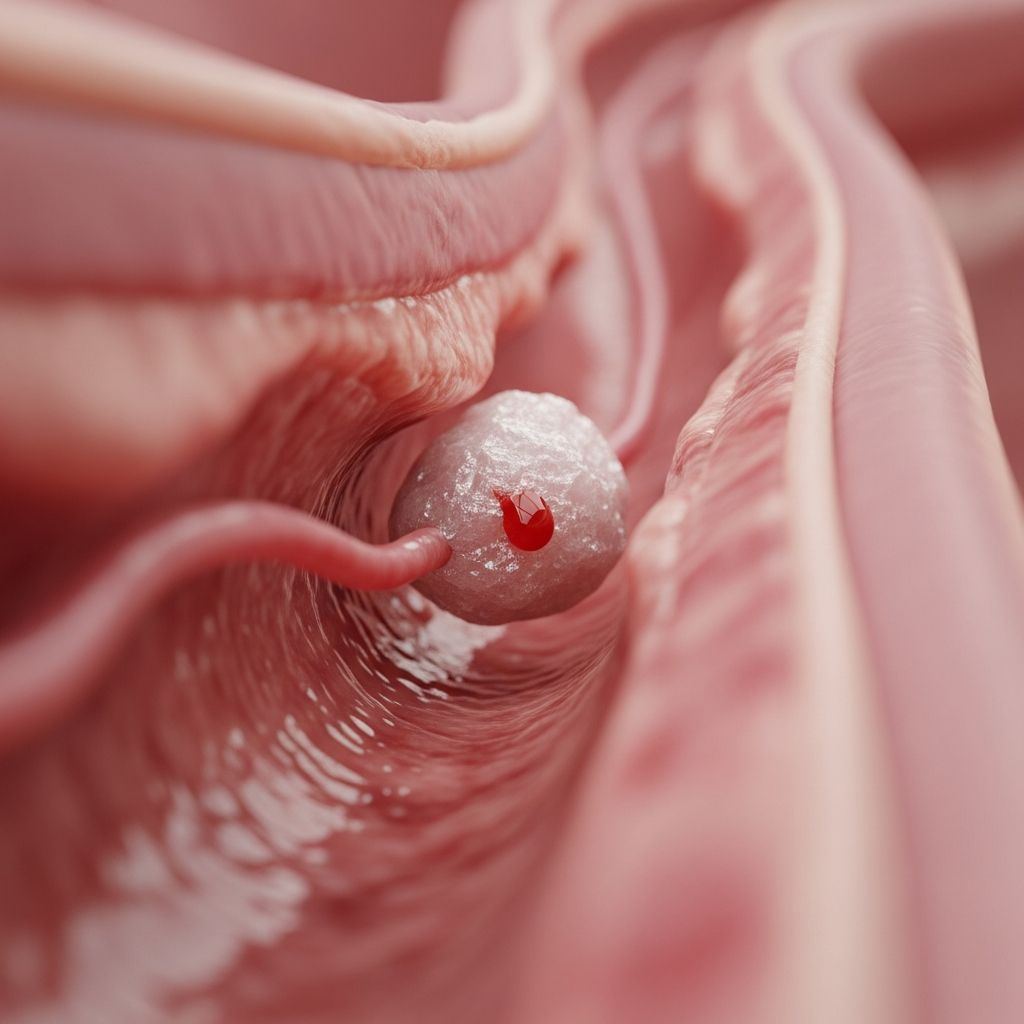
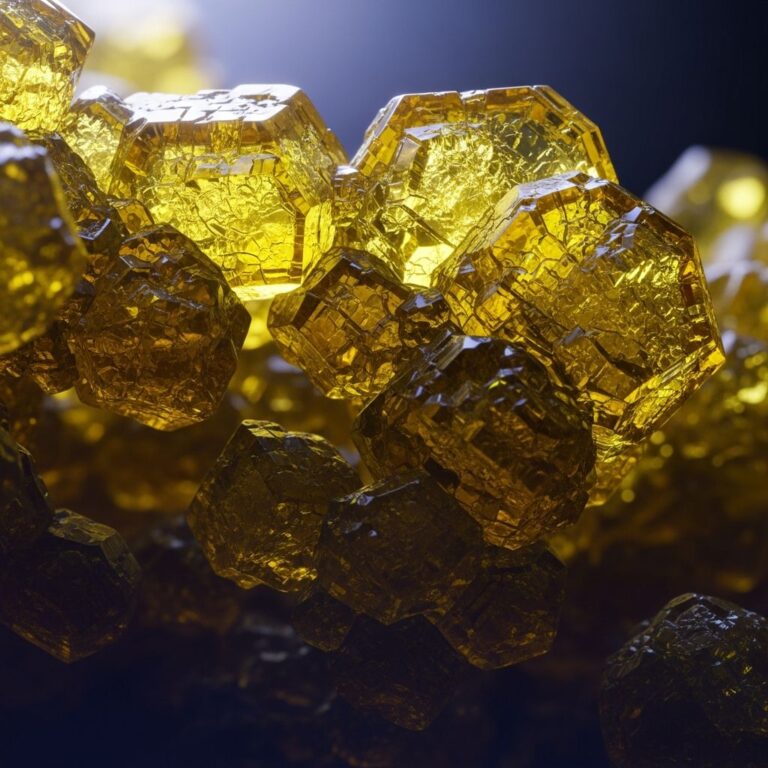
Kidney stones, also known as renal calculi or nephrolithiasis, are hard deposits of minerals and salts that form inside the kidneys when urine becomes concentrated, allowing crystals to stick together.
Most stones pass naturally through the urinary tract within 4-6 weeks if smaller than 5mm, but larger ones may require intervention. Symptoms often begin as the stone moves into the ureter, causing intense flank pain, nausea, blood in urine, and frequent urination.
What Are Kidney Stones?
Kidney stones develop from crystal-forming substances like calcium oxalate, calcium phosphate, or uric acid when urine lacks enough fluid to dilute them or misses inhibitors that prevent crystal aggregation.
Stones can form anywhere in the urinary system—from kidneys to bladder—and affect people of all ages, though risk rises with dehydration, obesity, certain diets, and medical conditions.
Symptoms of Kidney Stones
A stone typically causes no symptoms while stationary in the kidney. Pain starts when it travels down the ureter, the narrow tube connecting kidney to bladder.
- Severe pain in the side, back, or below ribs, often radiating to the lower abdomen or groin; pain comes in waves lasting 20-60 minutes.
- Blood in urine (hematuria), making urine pink, red, or brown.
- Nausea and vomiting from pain intensity.
- Fever and chills if infection develops.
- Urinary urgency, pain or burning during urination, or cloudy/foul-smelling urine.
Track symptoms and strain urine to catch passed stones for analysis, which identifies type and guides prevention.
Types of Kidney Stones
Identifying stone type via lab analysis or imaging is crucial for targeted treatment and prevention, as each forms differently.
| Type | Composition | Key Causes/Risks | Prevalence |
|---|---|---|---|
| Calcium | Calcium oxalate or phosphate | High oxalate diet, low calcium intake, dehydration, vitamin D excess | Most common (~80%) |
| Struvite | Magnesium ammonium phosphate | UTIs from bacteria like Proteus | 10-15%, often in women |
| Uric Acid | Uric acid | High-purine diet, gout, chemotherapy, acidic urine | 5-10% |
| Cystine | Cystine | Genetic cystinuria disorder | Rare (<1%) |
Calcium stones dominate due to dietary oxalates from spinach, nuts, chocolate, paired with insufficient dietary calcium.
Causes and Risk Factors
No single cause exists, but urine supersaturation with stone-forming minerals creates ideal conditions.
- Dehydration: Low fluid intake concentrates urine.
- Diet: High sodium, animal protein, oxalate, or sugar; low calcium.
- Obesity: Increases urinary calcium excretion and reduces citrate.
- Medical conditions: IBD, hyperparathyroidism, gout, UTIs, renal tubular acidosis.
- Genetics/Surgery: Family history, bariatric surgery alters absorption.
- Medications: Diuretics, antacids, vitamin C excess.
Extra body fat, digestive diseases, and supplements like calcium-based antacids heighten risk.
How to Pass a Kidney Stone
Small stones (<5mm) pass spontaneously in 80-90% of cases with conservative measures; track progress via symptoms or ultrasound.
Home Remedies and Lifestyle Tips
Related Stories



- Hydrate aggressively: Drink 2-3 quarts (8-12 cups) of fluid daily—water, lemon water, or lemonade—to dilute urine and flush the stone. Aim for clear urine.
- Lemonade benefit: Citrate in lemons binds calcium, preventing crystal growth.
- Heat therapy: Apply heating pad to flank/abdomen for 20 minutes to relax ureter muscles and ease pain/spasms.
- Over-the-counter pain relief: Ibuprofen or acetaminophen; avoid aspirin if bleeding suspected.
- Movement: Walk or stay active to help stone dislodge; lie on painful side.
Medications to Help Pass Stones
Medical expulsive therapy (MET) boosts passage rates.
- Alpha blockers (tamsulosin): Relax ureter, increasing passage by 20-30% for 5-10mm stones.
- Potassium citrate: Alkalinizes urine, dissolves uric acid stones.
- Pain meds: Prescription narcotics for severe pain; anti-nausea drugs.
Procedures if Stone Won’t Pass
For stones >6mm, persistent pain, or infection, intervention is needed.
- Shock wave lithotripsy (ESWL): Noninvasive sound waves break stone into passable fragments.
- Ureteroscopy: Scope removes or lasers stone; outpatient.
- Percutaneous nephrolithotomy: Surgery for large (>2cm) kidney stones.
Pain Relief for Kidney Stones
Kidney stone pain rivals childbirth; manage in layers.
- Immediate: NSAIDs (ibuprofen 600mg) reduce inflammation/spasms best; hydrate + heat.
- Moderate: Prescription opioids (oxycodone) short-term.
- ER care: IV fluids, ketorolac, antiemetics for intractable pain.
Positioning: Fetal position or on affected side eases pressure.
When to See a Doctor or Go to the ER
Seek immediate care for:
- Fever >101°F, chills (infection).
- Unbearable pain unrelieved by OTC meds.
- Vomiting preventing hydration.
- Blood clots in urine, no urination >8 hours.
- Single kidney or pregnancy.
Routine visit for first-time stones, recurrent issues, or >5mm stones.
Preventing Kidney Stones
Up to 50% recurrence in 5-10 years without changes; tailor to stone type.
Diet and Lifestyle Prevention
National Kidney Foundation guidelines emphasize hydration and moderation.
- Fluids: 2-3L/day; water best, add lemon.
- Calcium: 1000-1200mg from food (dairy), not supplements.
- Low sodium: <2300mg/day; avoid processed foods.
- Moderate protein: Limit meat to 6oz/day.
- Type-specific: Low-oxalate for calcium stones; low-purine for uric acid.
| Stone Type | Diet Tips |
|---|---|
| Calcium Oxalate | Pair calcium foods with oxalate; limit spinach, nuts, soda. |
| Uric Acid | Low-purine: less red meat, shellfish, beer; more veggies/fruits. |
| Struvite | Treat UTIs promptly. |
| Cystine | Low sodium/protein; high fluids. |
Supplements and Medications
- Avoid excess vitamin C/D unless prescribed.
- B6 may help high-oxalate cases.
- Thiazides or citrate for recurrent calcium stones.
Frequently Asked Questions (FAQs)
Can you pass a kidney stone in one day?
Rarely; small stones take days to weeks. Severe pain warrants medical check.
Does apple cider vinegar dissolve kidney stones?
No strong evidence; citrate from lemon is better. Consult doctor.
How much water to drink to pass a kidney stone?
2-3 quarts daily minimum to produce 2L urine output.
Are kidney stones life-threatening?
Usually not, but infection, blockage, or sepsis can be. Seek care for fever/persistent pain.
Can you prevent kidney stones while traveling?
Yes: Carry water bottle, avoid dehydration from heat/caffeine/alcohol.
References
- Kidney stones – Symptoms and causes — Mayo Clinic Staff. 2025-04-04. https://www.mayoclinic.org/diseases-conditions/kidney-stones/symptoms-causes/syc-20355755
- Kidney Stone Diet Plan and Prevention — National Kidney Foundation. (Accessed 2026). https://www.kidney.org/kidney-topics/kidney-stone-diet-plan-and-prevention
Similar Articles








Read full bio of medha deb