How To Pick A Good Pear: Expert Tips For Perfect Ripeness
Master the art of selecting, ripening, and enjoying perfect pears with expert tips on varieties, ripeness tests, and storage.
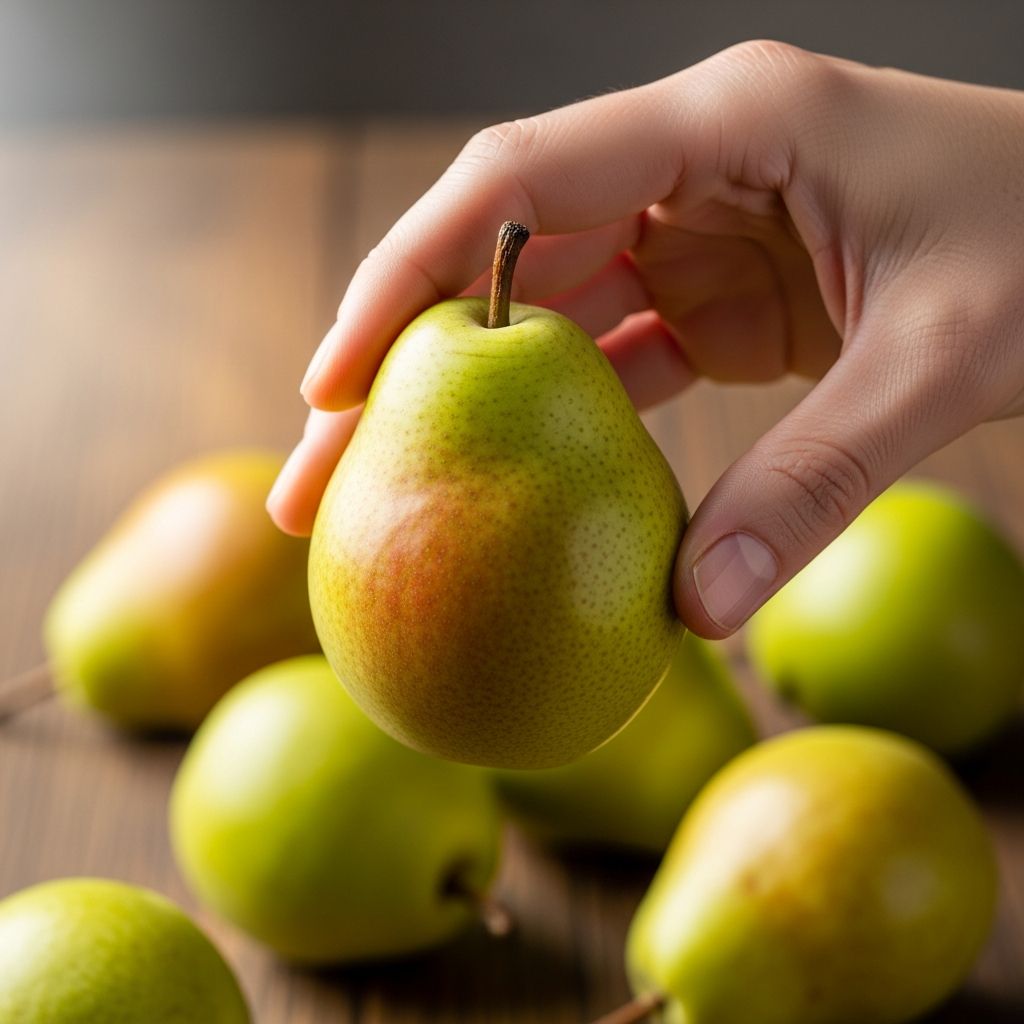
Pears are a delicious, nutrient-packed fruit that offer versatility in snacks, salads, desserts, and cooking, but selecting the right one requires understanding their unique ripening process. Unlike many fruits, pears are harvested mature but unripe to prevent bruising during transport, so most arrive at stores firm and needing time to soften at home. This guide covers everything from choosing pears at the market to ripening, storing, and enjoying various types for optimal flavor and texture.
Why Pears Aren’t Ripe at the Store
Pears ripen from the inside out, a process that continues off the tree after harvest. They are picked mature but firm to withstand shipping and handling, meaning store-bought pears are rarely ready to eat immediately. This internal ripening explains why a pear might feel soft outside but have a mushy core or vice versa. Farmers’ market pears may be closer to ripe due to shorter transit times, but even then, plan for a few days of home ripening.
How to Tell If a Pear Is Ripe
The gold standard for ripeness is the “neck test”: gently press the area near the stem (the neck) with your thumb. If it yields slightly to pressure, the pear is ripe and juicy. Avoid pressing the bottom or middle, as these areas don’t accurately indicate internal ripeness. Additional cues include:
- Color changes: Green pears like Anjou shift to yellow-green; Bartletts turn golden yellow; Bosc develop a deeper russet tone; Red pears brighten.
- Aroma: A sweet, fruity fragrance near the stem signals peak ripeness.
- Texture: Ripe pears feel firm but give at the neck, with smooth, slightly shiny skin.
Asian pears are an exception—they ripen to a crisp, apple-like firmness rather than softness. Eat them when firm and crunchy, not mushy.
How to Pick Pears at the Store or Market
Focus on pears that are firm but not rock-hard, showing promise for quick ripening into sweet perfection. Key selection tips include:
- Shape and size: Choose unblemished, symmetrical pears without deep cuts, bruises, or soft spots. Minor skin browning or freckles from sun exposure are normal and don’t affect quality.
- Color indicators: Opt for pears transitioning color—green to yellow for most varieties, or brighter hues for reds—which suggest they’re close to ripening.
- Firmness: Gently squeeze; they should feel solid overall, with no mushiness.
- Weight: Heavier pears for their size often mean juicier flesh.
At farmers’ markets, you might find riper options, but always perform the neck test before buying.
How to Ripen Pears at Home
Place firm pears in a paper bag on your kitchen counter at room temperature to trap ethylene gas, their natural ripening agent, speeding the process to 2-4 days. Accelerate further by adding a ripe banana or apple to the bag—these fruits emit extra ethylene. Check daily with the neck test. Once ripe, refrigerate to extend enjoyment up to a week. For cooking, select firmer “firm-ripe” pears as they soften with heat; Asian pears hold their crunch even when cooked.
Related Stories



| Ripening Method | Time to Ripe | Best For |
|---|---|---|
| Counter alone | 3-7 days | Gradual ripening |
| Paper bag | 2-4 days | Standard home use |
| Bag with banana/apple | 1-3 days | Quick ripening |
| Refrigerator (post-ripe) | Extends 5-7 days | Storage |
Pear Varieties: A Complete Guide
Over 3,000 pear varieties exist worldwide, but a handful dominate U.S. markets. Each has distinct shapes, flavors, textures, and best uses. Here’s a breakdown:
European Pears (Soften When Ripe)
- Bartlett (Yellow/Red): Classic bell shape, juicy and buttery with nubby skin turning yellow or bright red. Ideal for fresh eating, salads, canning. Season: Late summer.
- Anjou (Green/Red): Egg-shaped, smooth skin doesn’t change much color. Very juicy; great for snacking, salads, baking.
- Bosc: Tall neck, russet-brown skin. Firm, spicy-sweet; perfect for poaching, baking, or pear sauce.
- Comice: Short, wide, green-yellow. Ultra-juicy and creamy; best for fresh eating or cheese pairings.
Asian Pears (Crisp When Ripe)
- 20th Century (Nijisseiki): Round, yellow-green, ultra-crisp and sweet-tart. Excellent fresh or in salads. Season: Late Aug-Mid Sept.
- Shinseiki: Small, golden, crunchy with bright sweetness.
- Chojuro: Bronze-brown russet, butterscotch flavor, firm crunch.
- Shinko: Large, golden, rich sweetness, firm texture.
Seasonal Ripening Chart
Pears peak from August to December, with varieties staggered for year-round availability.
| Variety | Season | Flavor Profile |
|---|---|---|
| Monterrey | Early Aug-Mid Sept | Mild, buttery sweet |
| Warren | Early Aug-Mid Aug | Deep spicy, buttery |
| Ayers | Mid Aug-Early Sept | Creamy, juicy sweet |
| Moonglow | Mid Aug-Early Sept | Soft, subtly sweet |
| Kieffer | Early Sept-Mid Oct | Crisp, coarse; good for cooking |
| Variety | Season | Key Traits |
|---|---|---|
| Ooharabeni | Late Aug-Early Sept | Vibrant color, crisp sweet |
| Chojuro | Early Aug-Mid Sept | Butterscotch crispness |
| Peggy | Late Aug-Early Sept | Juicy crunch, delicate sweet |
| Shinko | Early Sept-Late Sept | Rich sweet, firm |
How to Store Pears
Store unripe pears at room temperature away from direct sun. Once ripe, refrigerate in the crisper drawer to slow ripening and prevent over-softening— they last 5-7 days. Keep separate from ethylene-sensitive produce like leafy greens. For longer storage, firm-ripe pears can be frozen (peeled and sliced) or canned, especially hardy varieties like Kieffer. Avoid plastic bags; use breathable paper for ripening and storage.
Pear Recipes and Serving Ideas
Pears shine in diverse dishes. Ripe pears are perfect raw; firmer ones excel cooked.
- Fresh: Slice into salads with greens, nuts, cheese, and vinaigrette.
- Baked/Poached: Bosc or Anjou with cinnamon, honey for desserts.
- Smoothies/Sauces: Overripe pears blend sweetly without added sugar.
- Savory: Grilled with pork, or in tarts with bacon and Gruyère.
Quick Recipe: Pear Salad
Baby greens + sliced ripe pears + bacon + Gruyère + warm mustard vinaigrette. Simple seasonal delight.
Frequently Asked Questions (FAQs)
What is the best way to check if a pear is ripe?
Gently press the neck near the stem; slight give means it’s ripe. Also check for sweet aroma and color shift.
How long does it take to ripen pears at home?
2-4 days in a paper bag; faster with a banana. Refrigerate once ripe.
What’s the difference between European and Asian pears?
European pears soften to buttery texture; Asian stay crisp like apples.
Can I eat pears that are brown-spotted?
Minor skin browning is fine; avoid deep cuts or mushy areas.
Are pears healthy?
Yes, packed with fiber, vitamins C and K, and antioxidants for heart health and digestion.
References
- How to pick a perfect pear — Jill Silverman Hough. Accessed 2026. https://jillhough.com/how-to-pick-a-perfect-pear/
- Pear Ripening Chart – When Are Pears In Season — Food Forest Nursery. Accessed 2026. https://www.foodforestnursery.com/growing-guides/fruit-trees/pear-tree-growing-guide/when-are-pears-in-season/
- The Pear Primer: How to Choose, Pick, and Ripen Pears — Vegetarian Times. Accessed 2026. https://www.vegetariantimes.com/reviews/how-to-ripen-pears/
- How to Pear Tips Ripening Storage and Prep — USA Pears. Accessed 2026. https://www.usapears.org/pear-education/
Similar Articles








Read full bio of medha deb