How To Pick A Watermelon: 7 Expert Tips For Ripe, Juicy Melons
Master the art of selecting the ripest, sweetest watermelon with expert tips on field spots, weight, sound, and more for perfect summer bites.
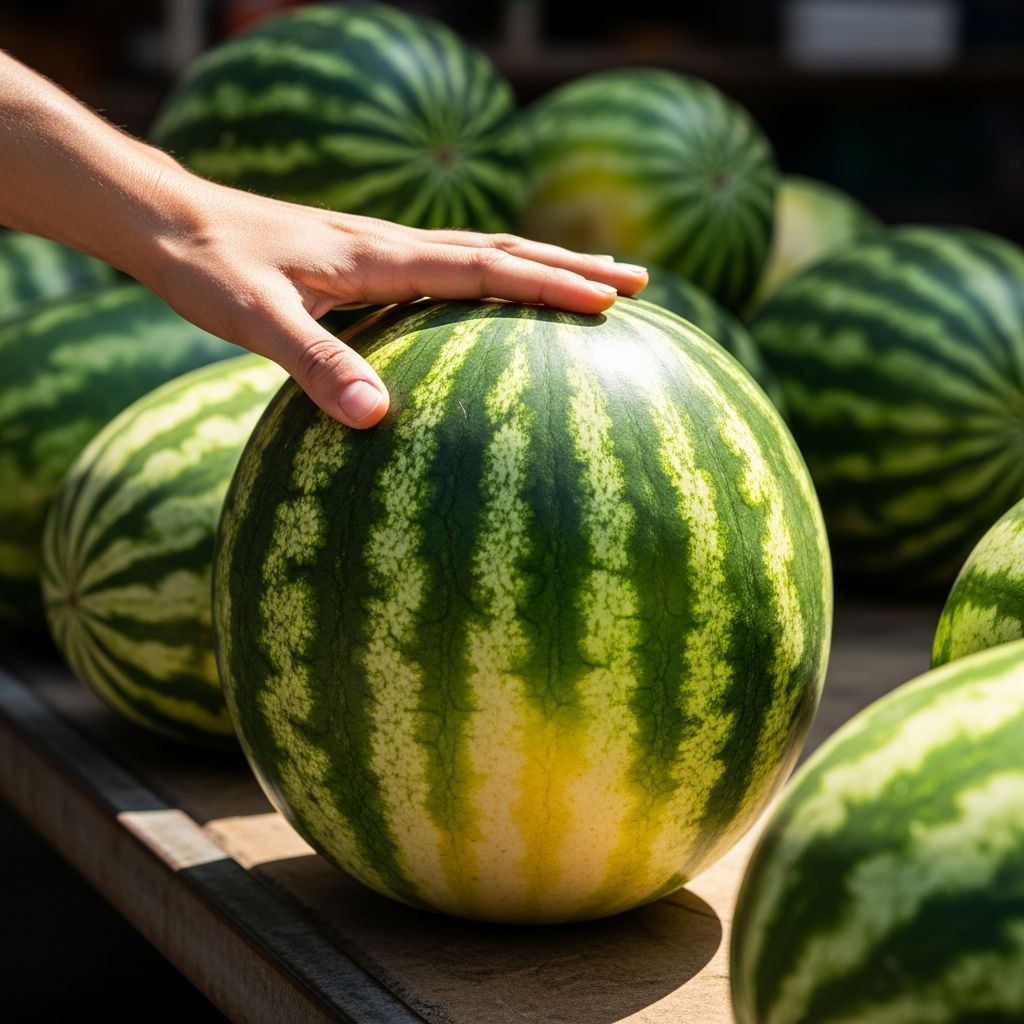
Watermelons are a quintessential summer fruit, offering hydration, sweetness, and essential nutrients like vitamins A and C. Composed of 92% water, they provide refreshing relief from heat while supporting heart health and reducing inflammation.Selecting the right one ensures maximum flavor and juiciness, avoiding underripe or overripe disappointments. This guide covers all essential tips, from visual cues to tactile tests, drawing from agricultural experts and produce pros.
Why Picking the Perfect Watermelon Matters
Choosing a ripe watermelon elevates your summer experience. A perfectly ripe melon boasts vibrant red flesh, high sugar content (measured by the Brix scale, ideally 11-12 for extra sweetness), and optimal hydration. Underripe ones taste bland and hard; overripe ones turn mealy. With Texas A&M experts noting high-quality crops in recent seasons, now’s the time to master selection. Factors like ripeness on the vine—watermelons don’t ripen post-harvest—determine quality.
Health benefits abound: one cup delivers lycopene for antioxidant protection, comparable to tomatoes but more bioavailable. Picking right maximizes these perks.
Step-by-Step Guide to Picking a Ripe Watermelon
Follow this simple mnemonic from the National Watermelon Promotion Board: Look, Lift, Turn. Combine it with advanced tips for 100% success.
1. Look for the Field Spot (Yellow Belly)
The most reliable indicator is the field spot or “yellow belly,” where the melon rested on the ground. A ripe watermelon shows a large, creamy yellow (butter-like) patch, signaling ample sun-ripening time. Small, white, or absent spots mean it was picked prematurely. Bigger and creamier equals riper and sweeter. Avoid greenish spots—they indicate underripeness.
- Perfect field spot: Large, butter-yellow.
- Avoid: White, small, or missing spots.
2. Check the Shape and Uniformity
Opt for symmetrical, oval or round watermelons without irregularities. Lopsided shapes suggest uneven growth or vine stress, leading to inconsistent sweetness. Uniform shape correlates with even ripening.
3. Inspect the Skin and Color
Ripe watermelons have dull, matte skin, not shiny. Glossy rind signals underripeness. Look for firm rinds free of bruises, cuts, dents, or soft spots. Dark green stripes with lighter green background indicate maturity. A little webbing (brown scar tissue) from pollination boosts sweetness.
4. Lift to Check Weight
Watermelons are 92% water, so they should feel heavy for their size. Heft several similar-sized melons; pick the heaviest. This confirms high juice content and ripeness.
5. Thump Test: Listen for the Sound
Tap the underbelly with your knuckles. A deep, hollow thud means ripe and water-filled. High-pitched or dull thuds indicate underripe or overripe melons. Pair with a large yellow spot for confirmation.
6. Examine the Stem
If present, a brown, dry stem shows vine-ripening. Green stems mean premature picking. Many commercial melons lack stems, so rely on other cues.
7. Press Test: Feel the Give
Gently press the skin. Ripe melons yield slightly under firm pressure, indicating juiciness. Rock-hard rind is underripe; too soft is overripe.
| Test | Ripe Sign | Underripe/Avoid |
|---|---|---|
| Field Spot | Large creamy yellow | White or absent |
| Weight | Heavy for size | Light |
| Thump | Deep, hollow | High-pitched/dull |
| Skin | Dull, firm | Shiny, bruised |
| Stem | Brown/dry | Green |
Related Stories



Types of Watermelons and Picking Tips
Seedless vs. Seeded
Seedless watermelons may have small white seed coats (empty shells) or a few black seeds—normal and safe. Pick using the same rules; they’re often smaller.
Personal vs. Picnic Size
Picnic melons (15-50 lbs) are larger; personal (5-15 lbs) are mini. Scale tips accordingly—heavy and spot-checked.
Organic and Heirloom Varieties
Organic may show more imperfections but follow standard cues. Heirlooms have unique patterns; prioritize field spot and weight.
Common Mistakes to Avoid
- Ignoring the field spot: Biggest error; it’s the ripeness gold standard.
- Choosing by size alone: Big doesn’t mean ripe.
- Over-relying on thump: Use in combination.
- Forgetting to compare: Always heft multiples.
Shiny skin or irregular shapes often fool shoppers into bland purchases.
Storing and Serving Your Watermelon
Once home, refrigerate whole up to 2 weeks. Cut portions last 3-5 days wrapped tightly. Serve chilled for best flavor. Freeze cubes for smoothies.
Health Benefits of Watermelon
Beyond refreshment, watermelon aids hydration, supports eye health via beta-carotene, and fights muscle soreness with citrulline. Low-calorie (30 kcal/cup) makes it diet-friendly.
Frequently Asked Questions (FAQs)
What is the best way to tell if a watermelon is ripe?
The field spot is key: look for a large, creamy yellow patch on the underside.
Why do seedless watermelons have seeds?
Small white ones are empty coats; occasional black seeds are fertile outliers.
How heavy should a watermelon feel?
Heavy for its size, thanks to 92% water content.
Does thumping really work?
Yes, a deep hollow sound indicates ripeness when combined with other signs.
Can watermelons ripen after picking?
No, they ripen only on the vine.
What does Brix mean for sweetness?
Brix measures sugar; 11-12 is exceptionally sweet.
References
- How to Choose a Watermelon — National Watermelon Promotion Board. Accessed 2026. https://www.watermelon.org/the-slice/how-to-choose-a-watermelon/
- 3 tips to pick out a sweet watermelon — Texas A&M AgriLife Extension Service. 2025-06-26. https://agrilifetoday.tamu.edu/2025/06/26/three-tips-to-pick-out-a-sweet-watermelon/
- How to Pick a Sweet Watermelon — Daisy Creek Farms (YouTube Transcript). 2017-06-30. https://www.youtube.com/watch?v=5JCQbwj0Kso
Similar Articles








Read full bio of Sneha Tete