How To Pick The Best Pomegranate: Expert Tips For Juicy Arils
Master the art of selecting ripe, juicy pomegranates with expert tips on color, weight, shape, and more for maximum flavor and nutrition.
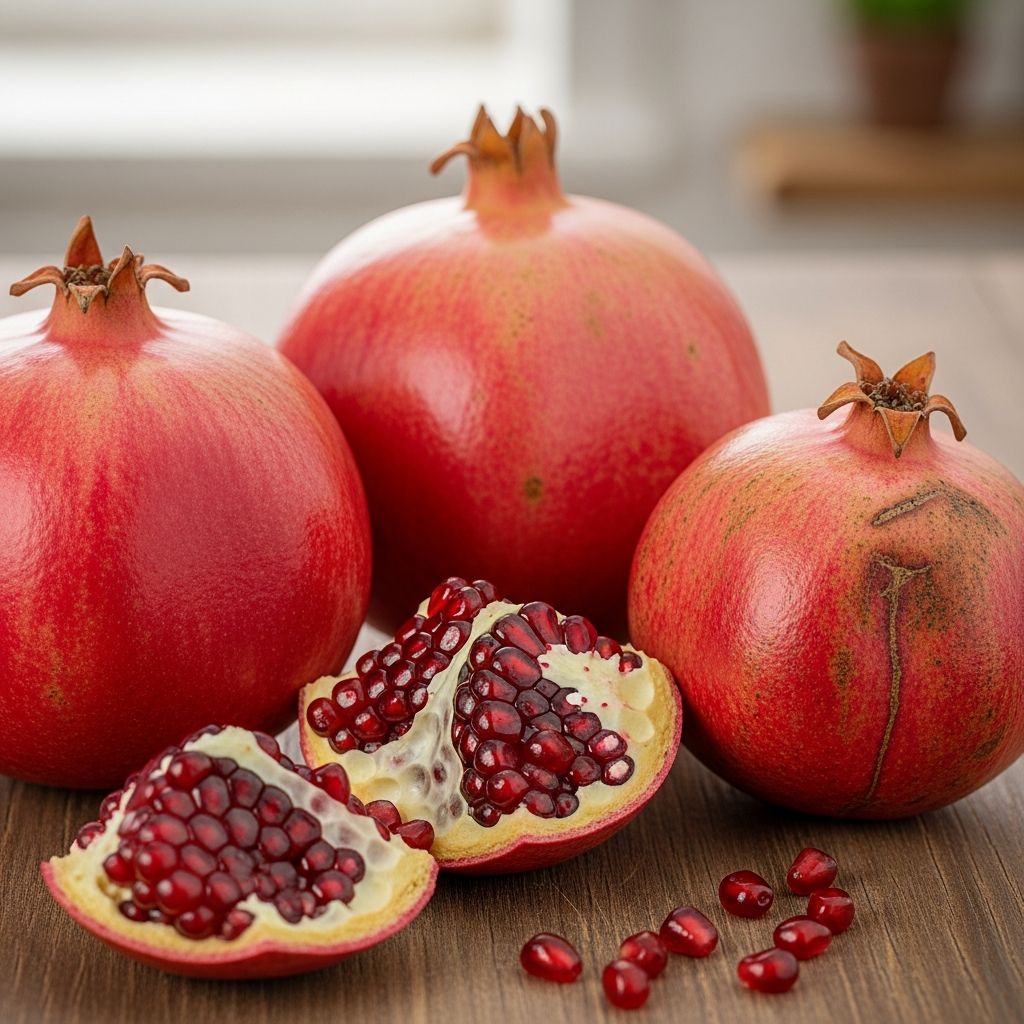
Pomegranates are nutrient-packed superfruits celebrated for their vibrant ruby-red arils, sweet-tart flavor, and impressive health benefits. However, selecting the
best pomegranate
at the store can be tricky since they don’t ripen significantly after harvest. A perfectly ripe one bursts with juicy arils, while an underripe fruit is hard and sour, and an overripe one may be mushy or fermented. This comprehensive guide equips you with proven techniques—visual inspection, tactile tests, sound checks, and more—to consistently choose top-quality pomegranates.Why Pomegranate Selection Matters
Pomegranates peak in
fall and winter
, making them a seasonal delight for salads, smoothies, desserts, and snacks. Each fruit houses 200 to 1,400 arils, the juicy seed sacs that deliver antioxidants, fiber, and vitamins. Picking poorly leads to disappointment: light, dry fruits lack juice, while bruised ones spoil quickly. By mastering selection cues, you’ll ensure every pomegranate delivers optimal flavor and nutrition. Experts emphasize that ripeness is determined at harvest, so store checks are crucial.Visual Cues: What to Look For
Start with your eyes. A ripe pomegranate reveals quality through its exterior.
Color and Hue
Seek a
vibrant, consistent color
—typically deep red, crimson, or ruby for common varieties. Some heirloom types may appear pinkish, yellowish, or greenish when ripe, but the hue should be rich and uniform, not faded or overly green (indicating underripeness). Ignore color alone; a green-tinged angular fruit can be sweeter than a round red one. Avoid excessive brown scarring, though light leathery blemishes are natural and harmless.Shape and Size
Opt for
angular, not perfectly round
pomegranates. As they mature on the tree, their weight pulls them into a boxy, six-sided shape with defined ridges— a key maturity sign. Plump, medium-to-large fruits (about 4 inches in diameter) are ideal; size correlates with aril count. Round shapes suggest immaturity.Skin Condition
The skin should be
firm, leathery, and taut
, free of soft spots, cracks, or heavy bruising. A glossy sheen signals freshness, while wrinkled or shriveled skin means dryness.The Tactile Test: Feel and Weight
Hands-on evaluation trumps visuals. Compare similar-sized fruits.
The Heft Test
**Heaviness for size** is the gold standard. A juicy pomegranate feels surprisingly heavy due to plump arils filled with sweet-tart liquid. Light ones are dry or underripe. Pro tip: Pick up several and choose the heaviest—it’s almost always the juiciest.
Firmness Check
Gently squeeze: it should yield slightly but spring back without mushiness. Avoid rock-hard (underripe) or squishy (overripe) fruits.
Inspecting the Crown (Blossom End)
The
crown
—the flower’s remnant at the top—reveals freshness. Look for a dry, firm, well-defined crown matching the skin color or slightly darker, with curling points. Green, soft, or moist crowns signal early picking. A clean, angular crown confirms maturity.Sound Test: The Shake Method
Hold the pomegranate to your ear and shake gently. A
distinct metallic ‘ting’ or rattle
from loose arils indicates ripeness and juiciness. Silence suggests dryness; excessive rattling may mean overripeness.Best Places to Buy Pomegranates
Related Stories



Farmers’ markets and specialty grocers offer fresher options with variety info. Supermarkets work if you inspect carefully—avoid pre-packaged or displayed in warm spots, as heat accelerates spoilage. Check for domestic or peak-season imports (October-February in the U.S.) for superior quality.
How to Store Pomegranates
Whole pomegranates last
1-2 weeks at room temperature
orup to 2 months refrigerated
in a plastic bag. Avoid direct sunlight or heat. Once cut, store arils in an airtight container for 5-7 days in the fridge or freeze for 6 months. Thaw before use to retain texture.- Countertop: Cool, dark spot for short-term.
- Fridge: Crisper drawer, loosely wrapped.
- Freezer: Spread arils on a tray first, then bag to prevent clumping.
How to Cut and Deseed a Pomegranate (Mess-Free)
Deseeding stains everything red—use the
underwater method
for clean results.- Score the skin along ridges (angular lines), not equatorially.
- Pry open into quarters underwater in a large bowl.
- Gently tap/flake arils from pith; they sink, pith floats.
- Skim pith, drain arils. Ready in under 30 seconds, stain-free!
Alternative: Remove crown, score, and tap halved fruit over a bowl. Wear gloves/apron.
Health Benefits of Pomegranates
Pomegranates are antioxidant powerhouses. A 100g serving (about half a fruit) provides:
| Nutrient | Amount | % Daily Value* |
|---|---|---|
| Vitamin C | 10.2mg | 11% |
| Vitamin K | 16.4mcg | 14% |
| Folate | 38mcg | 10% |
| Fiber | 4g | 14% |
| Potassium | 236mg | 5% |
*Based on 2,000-calorie diet.
Key perks include heart health (lowers blood pressure), anti-inflammatory effects, and cancer-fighting punicalagins. Juice rivals red wine in antioxidants. Add arils to yogurt, salads, or oatmeal.
Frequently Asked Questions (FAQs)
Can pomegranates ripen after picking?
No, they ripen on the tree and maintain quality post-harvest if stored properly.
Is color the best ripeness indicator?
No—prioritize weight, shape, and heft over color.
How do I know if it’s overripe?
Soft spots, mushy feel, fermented smell, or excessive rattle.
Are all varieties the same?
No; ‘Wonderful’ is deep red, others vary in color/size.
Can I eat the seeds?
Yes, the white seed inside arils is edible and adds crunch.
Conclusion
Selecting the best pomegranate boils down to
heavy weight, angular shape, vibrant color, firm skin, dry crown, and a telling rattle
. Practice these steps to transform grocery shopping into a success every time. Enjoy the juicy reward in recipes or snacks, unlocking this superfood’s full potential for flavor and health.References
- How to Know Positive Pomegranates: A Complete Guide — Apollo 247. 2025-09-04. https://www.apollo247.com/health-topics/general-medical-consultation/how-to-choose-a-ripe-pomegranate-complete-guide
- How to Choose a Pomegranate — POM Wonderful (YouTube). 2021-12-07. https://www.youtube.com/watch?v=Y8LtY_3SUI8
- How to choose and cut pomegranates — ABC Australia (YouTube). 2023-05-11. https://www.youtube.com/watch?v=1p3kS8rsGf0
- Pomegranates – SNAP-Ed Connection — USDA. Accessed 2026. https://snaped.fns.usda.gov/resources/nutrition-education-materials/seasonal-produce-guide/pomegranates
Similar Articles








Read full bio of Sneha Tete