How To Pick Dark Chocolate: 5 Label-Reading Tips For 70%+ Bars
Discover expert tips on selecting the healthiest dark chocolate for maximum benefits and delicious flavor.
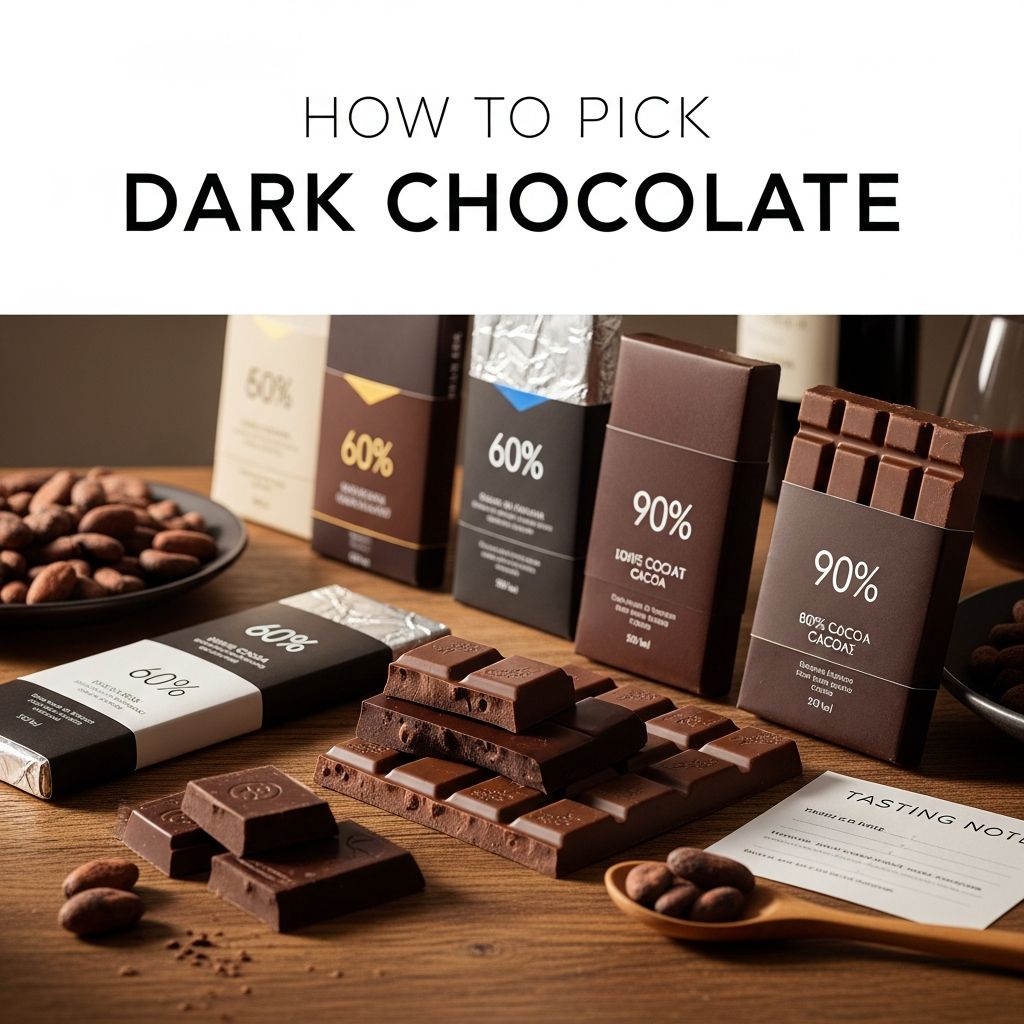
Selecting the right dark chocolate ensures you enjoy its rich flavor while reaping health benefits from high cacao content, antioxidants, and essential minerals. Opt for bars with at least 70% cacao to maximize flavonoids and minimize added sugars.
What Percentage of Cacao Should Dark Chocolate Have?
Dark chocolate’s cacao percentage indicates the amount of cocoa solids, directly impacting its health profile and taste. Higher percentages mean more antioxidants like flavonoids and polyphenols, which combat oxidative stress, while lower ones often include more sugar and milk.
Milk chocolate typically ranges from 10-50% cacao, offering sweetness but fewer benefits. Dark chocolate starts at 50% and ideally reaches 70% or higher for optimal wellness support, as recommended by health experts. Bars above 85% provide intense bitterness with peak nutrient density but may require sugar balancing.
Always scrutinize nutrition labels: even high-cacao chocolates can hide added sugars that dilute benefits. Aim for minimal sugar—under 10g per serving—to support blood sugar stability and metabolic health.
Health Benefits of Dark Chocolate
Dark chocolate, especially varieties with 70%+ cacao, delivers science-backed perks from its flavonoid-rich cocoa. These compounds act as potent antioxidants, neutralizing free radicals and bolstering cellular defense.
- Heart Health: Flavonoids promote healthy cholesterol by elevating HDL and aiding natural management, while enhancing nitric oxide for better blood flow.
- Skin Protection: Improved circulation and hydration from flavonoids shield skin from UV damage and environmental stress.
- Blood Sugar Support: Lower glycemic index than milk chocolate helps maintain steady levels and insulin sensitivity.
- Mineral Boost: Provides iron, magnesium, copper, and manganese for energy, muscle function, and bone health.
- Brain and Mood: Supports stress response via balanced cortisol and may enhance cognitive function through retinal blood flow.
- Gut Health: Acts as a prebiotic, feeding beneficial bacteria for digestive wellness.
- Performance Edge: Epicatechin boosts oxygen delivery to muscles, aiding endurance.
These advantages shine with moderation—1-2 ounces daily—to avoid excess calories.
How to Read a Chocolate Label
Labels reveal a chocolate’s true quality beyond cacao percentage. Prioritize short ingredient lists: cocoa mass, cocoa butter, sugar, and minimal extras like vanilla or emulsifiers.
| Label Element | What to Look For | Why It Matters |
|---|---|---|
| Cacao % | 70%+ | Higher flavonoids, antioxidants |
| Sugar | <10g/serving | Prevents blood sugar spikes |
| Ingredients | Cocoa first, no fillers | Ensures purity and benefits |
| Additives | No trans fats, artificial flavors | Avoids health drawbacks |
| Allergens | Dairy-free if needed | Suits vegan/plant-based diets |
Check for organic or fair-trade certifications to ensure ethical sourcing and pesticide-free cocoa. Sugar type matters—cane sugar is common, but impacts flavor and health less than quantity.
Dark Chocolate vs. Milk Chocolate
Dark chocolate outshines milk varieties in nutrition. Milk chocolate’s 10-50% cacao dilutes flavonoids with milk solids and higher sugar (often 20g+ per serving), spiking blood sugar rapidly.
Dark options retain cocoa’s full power: more polyphenols for anti-inflammatory effects, fewer calories from sugar, and no dairy interference for lactose-sensitive eaters. Taste-wise, dark offers complex, fruity notes from terroir, while milk is cloyingly sweet.
- Dark: 70%+ cacao, low sugar, high antioxidants.
- Milk: Creamy but nutrient-poor, high glycemic load.
Switching to dark supports weight management and sustained energy.
Best Dark Chocolate Brands
Top brands balance quality, ethics, and taste. Seek those with transparent sourcing and high cacao without excess sugar.
Related Stories



- Lindt Excellence: 70-90% bars; smooth, widely available.
- Ghirardelli Intense Dark: 72-86%; bold flavors like sea salt.
- Valrhona Guanaja: 70%; premium, fruity notes.
- Theo Chocolate: Organic, fair-trade 70-85%; vegan options.
- Equal Exchange: Ethical 65-71%; supports farmers.
Sample single-origin bars to explore nuances from regions like Madagascar (bright citrus) or Ecuador (nutty depth).
Signs of High-Quality Dark Chocolate
Quality shows in snap, sheen, and melt. Premium bars snap cleanly when broken, indicating proper tempering. A glossy surface without white bloom (fat separation) signals careful handling.
Flavor profile: fruity, nutty, or earthy undertones from high-quality beans, not just bitterness. Smooth mouthfeel without graininess means fine conching. Ethical cues like bean-to-bar processing ensure freshness.
- Snap test: Clean break.
- Appearance: Shiny, no streaks.
- Taste: Balanced acidity, no off-notes.
- Melt: Velvety on tongue.
Storage Tips for Dark Chocolate
Store at 60-70°F in a cool, dark place to preserve bloom-free texture and volatile flavors. Avoid refrigerators—humidity causes sugar bloom. Use airtight containers or foil wrappers.
Room temperature (not above 75°F) maintains temper; freezing works for long-term (up to 6 months) but temper post-thaw. Consume within 1-2 years of production date on package.
Potential Downsides and Moderation
Despite benefits, dark chocolate packs calories (150-200 per ounce), caffeine (20-60mg), and possible allergens. High-cacao may trigger reflux or migraines in sensitives.
Moderation is key: 1oz daily fits most diets. Vegans, verify no dairy cross-contamination. Pair with nuts or fruit for balanced snacking.
Frequently Asked Questions (FAQs)
Is dark chocolate healthier than milk chocolate?
Yes, due to higher cacao, more antioxidants, and less sugar, supporting heart and metabolic health.
What cacao percentage is best?
70-85% balances benefits and palatability; 100% is purest but bitter.
Can dark chocolate help with weight loss?
In moderation, its low GI and satiety aid management, but calories count.
Is all dark chocolate vegan?
No—check for milk traces; opt for certified plant-based.
How much dark chocolate per day?
1-2 ounces maximizes perks without excess.
References
- Dark Chocolate Health Benefits: Surprising Science — Knew Health. 2024-07-07. https://www.knewhealth.com/unwrapping-the-health-benefits-of-dark-chocolate
- The Ultimate Guide to Dark Chocolate: Benefits, Types, and Tasting Tips — And Sons. 2024. https://and-sons.com/blogs/journal/the-ultimate-guide-to-dark-chocolate-benefits-types-and-tasting-tips
- Health Benefits of Dark Chocolate — WebMD, Sarah Gleim. 2023. https://www.webmd.com/diet/health-benefits-dark-chocolate
- A Guide to Choosing the Healthiest Chocolate — Blue Cross Blue Shield of Vermont. 2023-07-07. https://www.bluecrossvt.org/health-community/blog/listing/guide-choosing-healthiest-chocolate
- Your Guide to Dark Chocolate — Teladoc Health. 2024. https://www.teladochealth.com/library/article/your-guide-to-dark-chocolate
Similar Articles








Read full bio of Sneha Tete