Pick The Best Salmon: Expert Guide To Freshness And Flavor
Expert tips on selecting the freshest, healthiest salmon—wild vs. farmed, color cues, and sustainability labels for optimal flavor and nutrition.
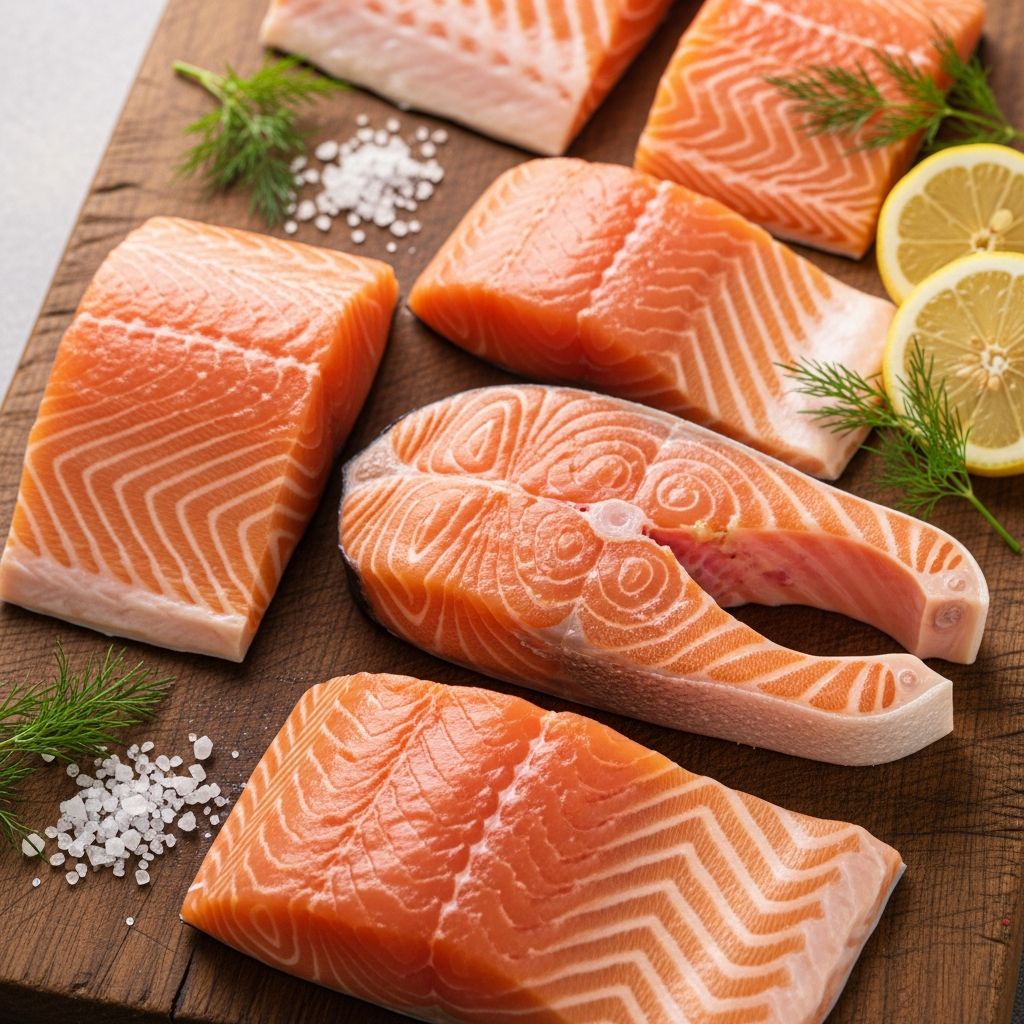
Salmon is a nutritional powerhouse packed with omega-3 fatty acids, high-quality protein, and essential vitamins, making it a staple in healthy diets worldwide. However, not all salmon is created equal—choosing the right type ensures maximum flavor, freshness, and health benefits while supporting sustainable practices. This guide breaks down everything you need to know, from visual cues and texture tests to understanding wild versus farmed varieties and key certifications.
Why Salmon Quality Matters
High-quality salmon offers superior taste, texture, and nutritional value. Fresh salmon should have vibrant flesh, a mild ocean scent, and firm resilience when pressed. Poor choices can lead to off-flavors, mushy textures, or exposure to contaminants. According to seafood experts, selecting properly involves checking multiple factors like origin, handling, and labeling to avoid subpar products.
Nutritionally, salmon provides about 2,000 mg of omega-3s per 3-ounce serving, supporting heart health and reducing inflammation. Wild varieties often have higher omega-3 levels due to diverse diets, while well-farmed options can match if responsibly sourced.
Wild Salmon vs. Farmed Salmon: Key Differences
Understanding the debate between wild and farmed salmon is crucial for informed buying. Wild salmon swim freely in oceans or rivers, feeding on natural prey, resulting in leaner meat with intense flavor. Farmed salmon, raised in controlled environments, tends to be fattier and more affordable but raises concerns over antibiotics, feed quality, and environmental impact.
| Aspect | Wild Salmon | Farmed Salmon |
|---|---|---|
| Omega-3 Content | Higher (up to 2.5g per serving) | Variable (1.5-2g); depends on feed |
| Price | Premium ($20-40/lb) | Affordable ($10-20/lb) |
| Sustainability | Seasonal, eco-dependent | Better in closed systems |
| Flavor & Texture | Rich, firm | Buttery, softer |
| Availability | Limited seasons | Year-round |
Opt for wild when possible, especially Alaskan varieties, for purity. For farmed, choose those from closed-containment systems to minimize pollution.
How to Identify Fresh Salmon
- Color: Look for vibrant orange-red hues in wild salmon; pale pink or unnatural bright colors signal dyes in some farmed fish. Fresh color should be consistent without graying or browning edges.
- Texture: Press the flesh gently—it should spring back quickly, indicating firmness. Avoid soft, mushy, or sticky salmon.
- Smell: Fresh salmon smells clean like the ocean, not fishy, ammonia-like, or sour. A strong odor means spoilage.
- Eyes & Gills (Whole Fish): Clear, bulging eyes and bright red gills signal freshness.
- Skin: Shiny, metallic sheen with tight scales; dull or slimy skin is a red flag.
At markets, avoid pre-packaged salmon sitting in pools of liquid, as this accelerates bacterial growth.
Salmon Types and Varieties
There are five main Pacific salmon species, each with unique traits:
- Chinook (King): Richest in omega-3s, off-white to deep red flesh. Wild from AK, BC; seasonal April-September. Highest fat content for buttery texture.
- Coho (Silver): Mild flavor, firm texture. Available May-October; good for grilling.
- Sockeye (Red): Deep red color, bold taste. Peak June-August; Alaskan sockeye is prized.
- Chum (Keta): Lighter color, lower fat. Affordable, best canned or smoked.
- Pink: Mildest, smallest fillets. Common canned; fresh in summer.
Atlantic salmon is almost exclusively farmed; avoid unless certified.
Related Stories



Certifications and Labels to Look For
Labels guide sustainable, safe choices:
- Marine Stewardship Council (MSC): Gold standard for wild sustainable fisheries.
- Aquaculture Stewardship Council (ASC): Ensures responsible farmed salmon.
- Best Aquaculture Practices (BAP): Rates farms on environmental and animal welfare.
- GlobalG.A.P.: Farm assurance for food safety.
Check for country of origin—Norway, Scotland, Chile for farmed; US (Alaska) for wild.
Where to Buy the Best Salmon
Best Options:
- Local fishmongers or farmers’ markets for freshest catches.
- Whole Foods, Costco (Kirkland wild Alaskan), or Trader Joe’s for reliable labeled products.
- Online from Vital Choice or Wild Alaskan Company for flash-frozen wild salmon.
Avoid: Big box stores with unclear sourcing or discount seafood counters.
Storage and Handling Tips
Once home:
- Keep below 40°F; use immediately or freeze.
- Pat dry, wrap in plastic over foil, refrigerate up to 2 days.
- Freeze portions in airtight bags for 3-6 months.
Thaw overnight in fridge, never at room temp.
Cooking the Perfect Salmon
Simple methods preserve quality:
- Bake: 400°F, 12-15 min skin-side down.
- Grill: Medium heat, 6-8 min per side.
- Pan-sear: Skin crisp in hot oil, 4 min skin side.
Aim for 145°F internal temp.
Frequently Asked Questions (FAQs)
What color should fresh salmon be?
Vibrant orange-red for wild, consistent pink-orange for farmed; avoid dull, gray, or artificially bright colors.
Is farmed salmon healthy?
Yes, if certified—provides ample omega-3s but check for ASC labels to ensure low contaminants.
How do I know if salmon is wild or farmed?
Labels state it; wild is seasonal/expensive, farmed year-round/milder.
What’s the best salmon for beginners?
Alaskan sockeye wild for flavor balance or farmed Atlantic for affordability.
Can I eat salmon every day?
2-3 servings weekly max due to mercury; varies by type.
Health Benefits of Salmon
Beyond omega-3s (EPA/DHA), salmon offers vitamin D (up to 570 IU/serving), B12, selenium. Supports brain health, eye function, and immunity. Wild often lower in PCBs if from clean waters.
Incorporate via salads, bowls, or grilled fillets for diverse meals.
References
- Seafood Health Facts: Salmon — Delaware Sea Grant. 2024-06-15. https://www.seafoodhealthfacts.org/seafood-choices/detailed-seafood-choices/salmon/
- Wild Salmon Center: What Salmon Should I Eat? — Wild Salmon Center. 2023-08-10. https://wildsalmoncenter.org/what-salmon-should-i-eat/
- FDA: Selecting and Serving Fresh and Frozen Seafood Safely — U.S. Food and Drug Administration. 2025-01-05. https://www.fda.gov/food/buy-store-serve-safe-food/selecting-and-serving-fresh-and-frozen-seafood-safely
- Monterey Bay Aquarium Seafood Watch: Salmon Recommendations — Monterey Bay Aquarium. 2024-11-20. https://www.seafoodwatch.org/recommendations/search?query=salmon
- USDA Nutrient Database: Salmon, Chinook, Wild — United States Department of Agriculture. 2023-09-12. https://fdc.nal.usda.gov/fdc-app.html#/food-details/173686/nutrients
Similar Articles








Read full bio of Sneha Tete