How to Pick the Juiciest, Ripest Apple Every Time
Master the art of selecting crisp, sweet, and juicy apples at the store with these expert tips for perfect picks every shopping trip.
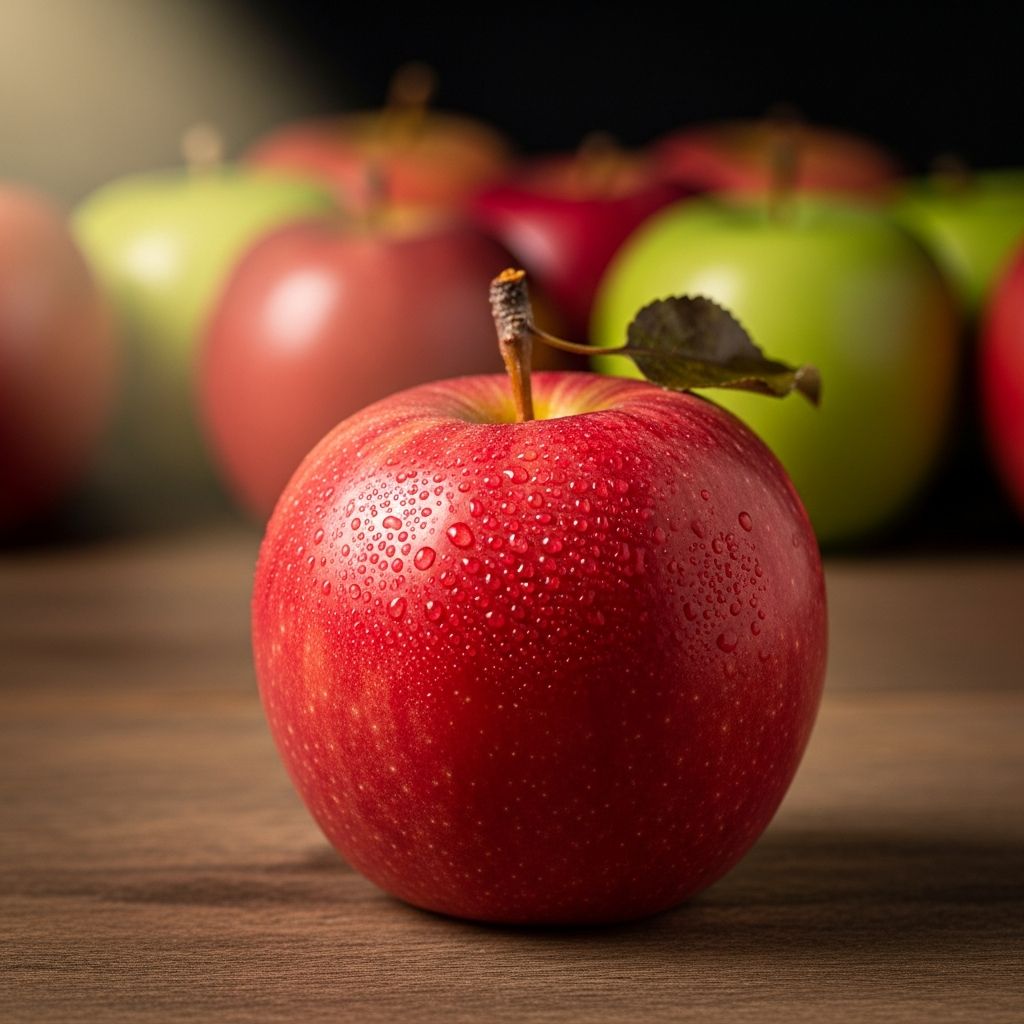
Apples are a staple fruit loved for their crunch, sweetness, and versatility in snacks, salads, baking, and more. Yet, too often, shoppers bring home mealy, bland, or sour apples that disappoint. The good news? Selecting the perfect apple is a skill anyone can master with a few key visual, tactile, and sensory checks. This guide draws from produce experts and growers to reveal how to identify ripe, juicy apples consistently, whether you’re eyeing Honeycrisp, Gala, Fuji, or Granny Smith varieties. By focusing on color patterns, shape, skin texture, weight, firmness, and aroma, you’ll boost your success rate dramatically—up to 90% by some accounts. Let’s dive into the step-by-step process to transform your apple-picking game.
Why Picking the Right Apple Matters
Apples aren’t just tasty; they’re nutritional powerhouses packed with fiber, vitamins, and antioxidants that support heart health, digestion, and immunity. A perfectly ripe apple delivers peak flavor and nutrients, while an underripe or overripe one falls short. Factors like sunlight exposure during growth influence taste—apples ripened evenly under sun develop superior sugars and crispness. Grocery store displays can mislead with shiny exteriors masking inferior quality inside. Mastering selection ensures you get value for your money and enjoy every bite. Experts from apple growers emphasize that visual cues like striping indicate natural ripening, leading to sweeter results compared to uniformly colored fruits grown in shade.
Tip 1: Check the Color and Stripes for Ripeness
Color is your first clue to an apple’s ripeness and flavor potential. Skip apples that are uniformly bright red or still greenish—these often taste sour or bland. Instead, seek varieties with blended red and yellow tones featuring vertical stripes on the skin. These stripes signal the apple ripened evenly under direct sunlight, absorbing sugars for enhanced sweetness and juiciness. Shaded apples might look vibrant but lack flavor. For red varieties like Gala or Fuji, aim for pink-orange hues covering most of the green background, indicating full sun exposure. Lower-colored apples work better for cooking where appearance fades. Honeycrisp shines with balanced blush, while Granny Smith stays tart green when ripe. Always match color expectations to the variety label for accuracy.
- Ideal colors: Red-yellow blends, vertical light red stripes, even transitions without large green patches.
- Avoid: Solid red (often flavorless), heavy green (underripe), or dull brown spots (decay).
Tip 2: Examine the Skin Pattern and Texture
Beyond color, scrutinize the skin’s pattern and feel. Naturally ripened apples display subtle vertical striping or mottling, not a flat, overly smooth sheen from wax coatings or poor growth. Opt for slightly rough, matte textures—these correlate with crisp interiors. Slick, shiny skins often hide mealy flesh. Turn the apple fully in your hand to spot natural markings like lenticels (tiny dots) or light scuffs from orchard life; these don’t detract from quality. Bruises, deep cuts, or soft decay spots mean pass—those apples suit sauces or smoothies, not fresh eating.
- Good signs: Vertical stripes, natural matte finish, minor russeting (brownish rough patches on some varieties like Golden Delicious).
- Red flags: Excessive wax shine, uniform flat color, punctures or mushy areas.
Tip 3: Inspect the Bottom Shape—Female vs. Male Apples
A quirky yet effective hack: Flip the apple and check its bottom (blossom end). ‘Female’ apples have a wider, rounder base, indicating better juiciness and sweetness as sugars concentrate there. ‘Male’ apples feature narrower, deeper indentations and tend drier. This shape difference stems from pollination and growth—wide-bottomed ones succeed 90% of the time for superior flavor. Combine with overall roundness; avoid lopsided or elongated shapes signaling uneven ripening.
Related Stories



| Shape Type | Bottom Appearance | Flavor Profile |
|---|---|---|
| Female (Preferred) | Wide, shallow, rounded | Juicy, sweet, crisp |
| Male (Avoid) | Narrow, deep indentation | Drier, less flavorful |
Tip 4: Test Firmness and Weight
Gently press the skin: It should yield slightly but spring back firmly without denting. Soft or mushy spots indicate overripeness—reserve for baking. For the ultimate juiciness test, compare two same-sized apples: Pick the heavier one in hand. Heavier weight means more juice and density, equating to crisp, flavorful bites. Lighter apples feel airy and dry inside. This tactile method trumps looks alone, as demos show heavy picks outperforming shiny counterparts.
Tip 5: Sniff for Aroma and Know Your Varieties
Hold the apple to your nose—a fresh, ripe one emits a pleasant, fruity scent varying by type (stronger in Gala, subtler in others). No smell or off odors? Skip it. Pair this with variety knowledge for best results:
- Gala: Red-yellow, mildly sweet, crisp for fresh eating/salads.
- Fuji: Red blush, very sweet/juicy, great versatile.
- Honeycrisp: Balanced color, explosively crisp/sweet.
- Granny Smith: Bright green, tart, ideal baking.
- Piñata/Pink Lady: Vibrant, all-purpose crunch.
Check stickers for origin—reputable growers like those with ladybug labels ensure quality.
Common Mistakes to Avoid When Picking Apples
Don’t judge solely by shine or size—waxed big apples often disappoint. Ignore overly perfect displays; natural imperfections signal better taste. Failing to variety-match leads to mismatched expectations (e.g., expecting sweet from tart Granny Smith). Rushed picks without multi-sensory checks yield mealy results. Store apples stem-up in the fridge’s crisper for longest freshness post-purchase.
Health Benefits of Eating Perfectly Ripe Apples
Ripe apples maximize benefits: One medium apple provides 4g fiber (including pectin for gut health), 95 calories, vitamin C, and quercetin antioxidants reducing inflammation. Daily intake links to lower heart disease risk per studies. Juicy varieties enhance enjoyment, encouraging consumption. Wash thoroughly, eat skin-on for extra fiber.
Frequently Asked Questions (FAQs)
What’s the best way to tell if an apple is ripe without cutting it?
Combine color stripes, firm texture, heavier weight for same size, and pleasant aroma for reliable ripeness indicators.
Do all apples ripen the same way?
No—store-bought apples are harvested mature but ripen off-tree minimally. Focus on harvest-ripe signs like color and firmness.
How do I store apples to keep them juicy?
Refrigerate in crisper, separate from ethylene-sensitive fruits like bananas to prevent speeding rot.
Are organic apples better for picking?
Organic often have natural textures aiding selection; check PLU starting with 9. Quality depends more on ripeness cues.
Why are some apples mealy despite looking good?
Mealy texture from dry interiors in shaded/light apples or post-harvest issues—use weight and skin checks to avoid.
Pro Tips from Apple Growers and Shoppers
Seasonal picks (fall peak) taste best. Nail-tap test: Crisp sound predicts texture (95% accurate per users). Buy local for freshest. Experiment varieties weekly for preferences.
References
- How to Pick Out a Crispy and Sweet Apple Every Time — Click DIY, YouTube. 2025-06-26. https://www.youtube.com/watch?v=bU7LcWmSh30
- 6 Tips for Selecting the Perfect Apple — Stemilt. Accessed 2026. https://www.stemilt.com/stem-blog/6-tips-for-selecting-the-perfect-apple/
- Apples: Health Benefits, Risks, and Types — Medical News Today. 2023-10-12. https://www.medicalnewstoday.com/articles/267290
Similar Articles








Read full bio of medha deb