How To Pick The Sweetest Kiwi: Essential Guide For Peak Flavor
Expert tips on selecting, ripening, storing, and enjoying the sweetest kiwis for maximum flavor and nutrition.
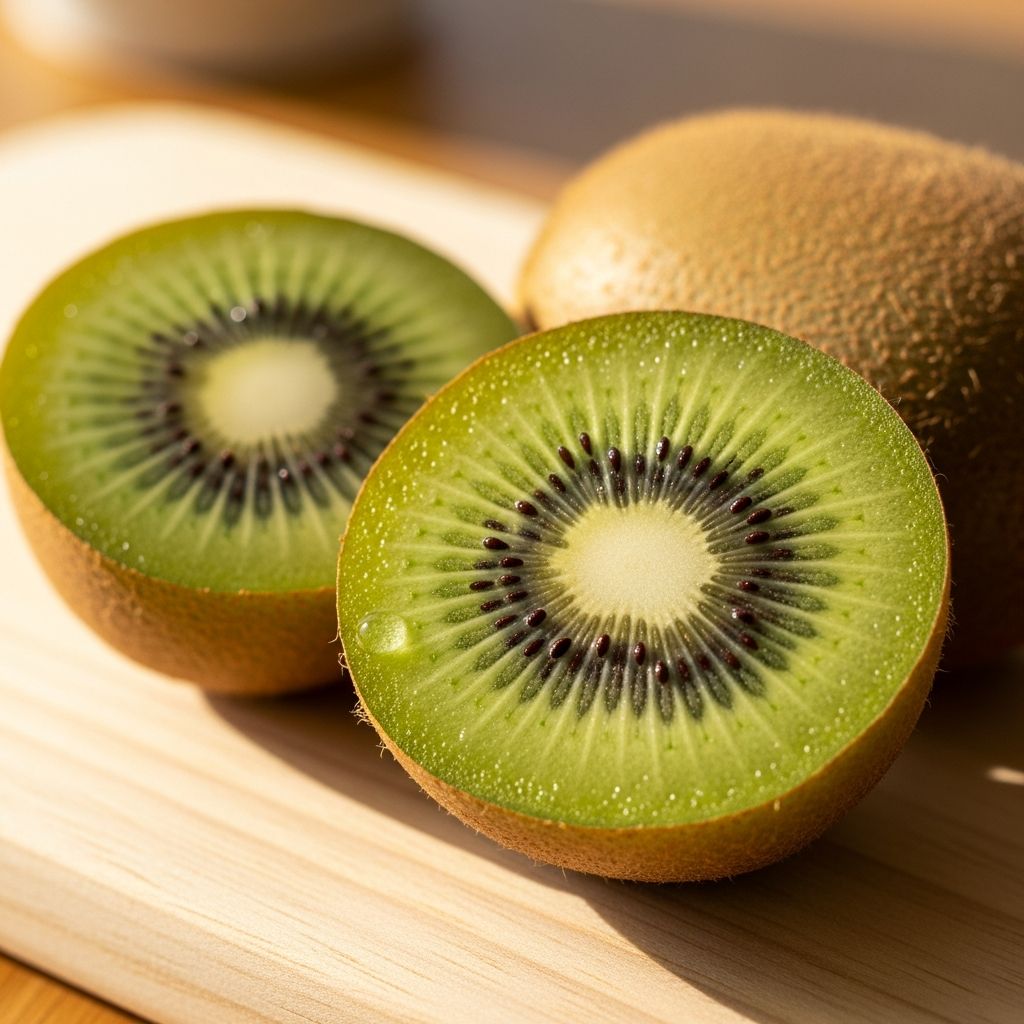
Kiwis are nutrient-packed fruits offering high levels of vitamin C, fiber, and antioxidants, making them a top choice for health-conscious eaters. Selecting the sweetest ones involves checking firmness, skin condition, shape, and aroma to ensure peak ripeness and flavor.
Why Kiwi Is a Nutritional Powerhouse
Kiwis originated in China and are renowned for surpassing citrus fruits in vitamin C content, with up to 62 mg per 100 grams of flesh. They also provide dietary fiber, vitamin E, folic acid, potassium, and calcium, supporting immune health, digestion, and daily nutrition in urban lifestyles.
Available varieties include green-fleshed (acidic and affordable), yellow-fleshed or gold (sweet with tropical notes and balanced cost), and red-fleshed (highly sweet, juicy, and premium-priced). Imported kiwis often differ in fuzziness and shape from domestic ones, requiring careful selection skills.
How to Identify Ripe Kiwis by External Signs
To pick the sweetest kiwi, prioritize ripeness based on consumption timeline. For immediate eating, choose slightly soft fruits without stem wrinkles; for storage, select firmer ones with intact fuzz and fresh green stems that last 3-5 days at room temperature.
- Surface Fuzz: Premium kiwis have evenly distributed fine hairs indicating freshness and protection from damage. Shed fuzz signals prolonged storage or poor handling.
- Stem Area: Look for bluish-green or light brown stems tightly attached without dryness, blackness, gaps, or wrinkles, which denote moisture loss and over-maturity.
- Bottom Navel: Opt for moderately sized, round indentations; oversized or deformed navels suggest poor development or hollow centers.
Best Fruit Shape and Size for Sweetness
Oval-shaped kiwis from central vine positions receive optimal nutrients and sunlight, yielding superior sweetness. Avoid elongated or flat shapes from outer growth with inferior quality.
Medium-large sizes offer better flesh-to-skin ratios and value under weight pricing, but skip oversized “giant” fruits potentially treated with growth enhancers. Uniform mid-range specimens provide the best cost-performance.
Kiwi Varieties Comparison: Green, Gold, and Red
Different kiwi types vary in skin, flesh color, aroma, flavor, and price, influencing sweetness selection.
| Feature | Green Kiwi | Gold Kiwi | Red Kiwi |
|---|---|---|---|
| Skin | Fuzzy brown | Yellow-green with some fuzz | Smooth, fuzz-free yellow-green |
| Flesh | Green around black seeds | Yellow around black seeds | Yellow with red/pink striations around seeds |
| Aroma | Subtly sweet | Tropical (pineapple, passionfruit) | Intense tropical, candy-like |
| Flavor | Balanced sweet-tart, acidic | Sweeter, tropical notes | Very sweet, juicy, creamy, strawberry-pineapple |
| Price/Use | Affordable, nutritious daily | Balanced cost, everyday | Premium, gifting/snacking |
Green kiwis (e.g., Hayward) are tart yet vitamin C-rich. Gold varieties are less acidic and sweeter. Red kiwis offer a candy-like taste with smooth, edible skin, ideal for quick snacks.
Ripening Kiwi at Home
Firm kiwis ripen at room temperature in 3-5 days. Speed up by placing in a paper bag with an apple or banana, which emits ethylene gas. Test ripeness by gentle thumb press near the stem—slight yield without mushiness indicates sweetness. Refrigerate once ripe to extend freshness up to two weeks.
Storage Tips for Long-Lasting Freshness
Store unripe kiwis in a cool, dry place away from ethylene producers like apples. Ripe ones go in the fridge crisper drawer. For cut kiwis, wrap tightly in cling film and eat within two hours to prevent oxidation, discoloration, and nutrient loss from enzymes.
Related Stories



- Room temperature: 3-5 days for firm fruits.
- Fridge: Up to 1 month for ripe kiwis; freeze peeled slices for smoothies.
- Avoid: Direct sunlight, heat, or proximity to other fruits.
How to Cut and Eat Kiwi for Best Enjoyment
The entire fruit is edible, especially smooth-skinned varieties like red or hardy kiwis. Common methods include:
- Scoop Method: Halve and spoon out flesh for quick eating.
- Peel and Slice: Use a peeler or knife; great for salads or desserts.
- Whole Eating: Wash and bite like an apple, skin included for fiber boost (less fuzzy types preferred).
For children under 3, peel, mash into puree to avoid seed irritation. Older kids get bite-sized chunks with supervision.
Health Benefits and Eating Recommendations
Consume 1-2 medium kiwis post-breakfast or as a pre-lunch snack for optimal vitamin C absorption and digestion aid from fiber. They meet over 80% of daily adult vitamin C needs.
Precautions: Introduce to children gradually, monitoring for rare allergies (redness, swelling). Not suitable mashed for infants due to acidity.
Frequently Asked Questions (FAQs)
What makes a kiwi sweet?
Sweetness comes from ripeness indicated by slight softness, strong tropical aroma, and variety—red and gold are naturally sweeter than green.
How do I ripen kiwis quickly?
Place firm kiwis in a paper bag with a banana or apple at room temperature for 1-3 days.
Can you eat kiwi skin?
Yes, especially smooth red or gold skins for extra fiber, but peel fuzzy green if preferred.
How long do kiwis last in the fridge?
Ripe kiwis last 1-2 weeks; unripe up to a month in the crisper.
Are red kiwis healthier than green?
All varieties are nutritious, but green has more vitamin C; red offers juicier sweetness.
Types of Kiwi for Home Growing
Fuzzy Kiwi (Actinidia deliciosa): Large, store-bought type needing warm climates; harvest in September-October when softened.
Hardy Kiwi (Actinidia arguta): Small, smooth, grape-sized, cold-hardy, edible whole; disease-resistant.
Golden Kiwi: Sweeter, less acidic; thrives in varied soils.
Cost-Performance Analysis by Variety
Green: Best budget nutrition. Gold: Everyday value. Red: Premium indulgence. Choose based on use—daily health (green), snacking (gold/red).
References
- Kiwi Selection and Consumption Guide: Practical Tips from Experienced Farmers — Oreate AI. 2024. https://www.oreateai.com/blog/kiwi-selection-and-consumption-guide-practical-tips-from-experienced-farmers/fa4b33520dc79bceb66d9c234761c945
- Your Red Kiwi Guide: How It Compares to Its Colorful Cousins — FruitGuys. 2023. https://fruitguys.com/blog/your-red-kiwi-guide/
- Kiwi: A Complete Guide from Seed to Harvest — Growcycle. 2025-10-01. https://growcycle.com/seed-directory/kiwi
- Kiwi Care Guide — Edible Landscaping. 2024. https://ediblelandscaping.com/pages/kiwi-care-guide
- How to Pick, Ripen, Cut & Store Kiwi Fruit — F.N. Sharp Blog. 2023. https://fnsharp.com/blogs/fns/produce-prep-how-to-guides-kiwi-fruit
- How to Store Kiwi — YouTube (Food Storage Video). 2023. https://www.youtube.com/watch?v=ejdO06h2y6Y
Similar Articles








Read full bio of Sneha Tete