How to Poop: 6 Tips for Easier Bowel Movements
Master the art of healthy pooping with expert tips on positions, diet, hydration, and habits to relieve constipation effectively.
Having trouble pooping? You’re not alone—constipation affects millions, but simple changes can make bowel movements easier and more regular. This guide covers the best positions, dietary tweaks, and habits to promote healthy digestion and relieve discomfort.
What Is a Normal Bowel Movement?
A normal bowel movement varies by individual but typically occurs 3 times a day to 3 times a week. Stool should be soft, smooth, and easy to pass without straining. The Bristol Stool Chart classifies healthy poop as types 3-4: sausage-shaped with cracks or smooth and soft like a snake.
Hard, lumpy stools (type 1) signal constipation, while loose or watery ones (types 5-7) may indicate diarrhea. Factors like diet, hydration, activity, and stress influence stool consistency. Responding promptly to the urge to go prevents hardening of stool in the rectum.
Best Poop Position for Easy Defecation
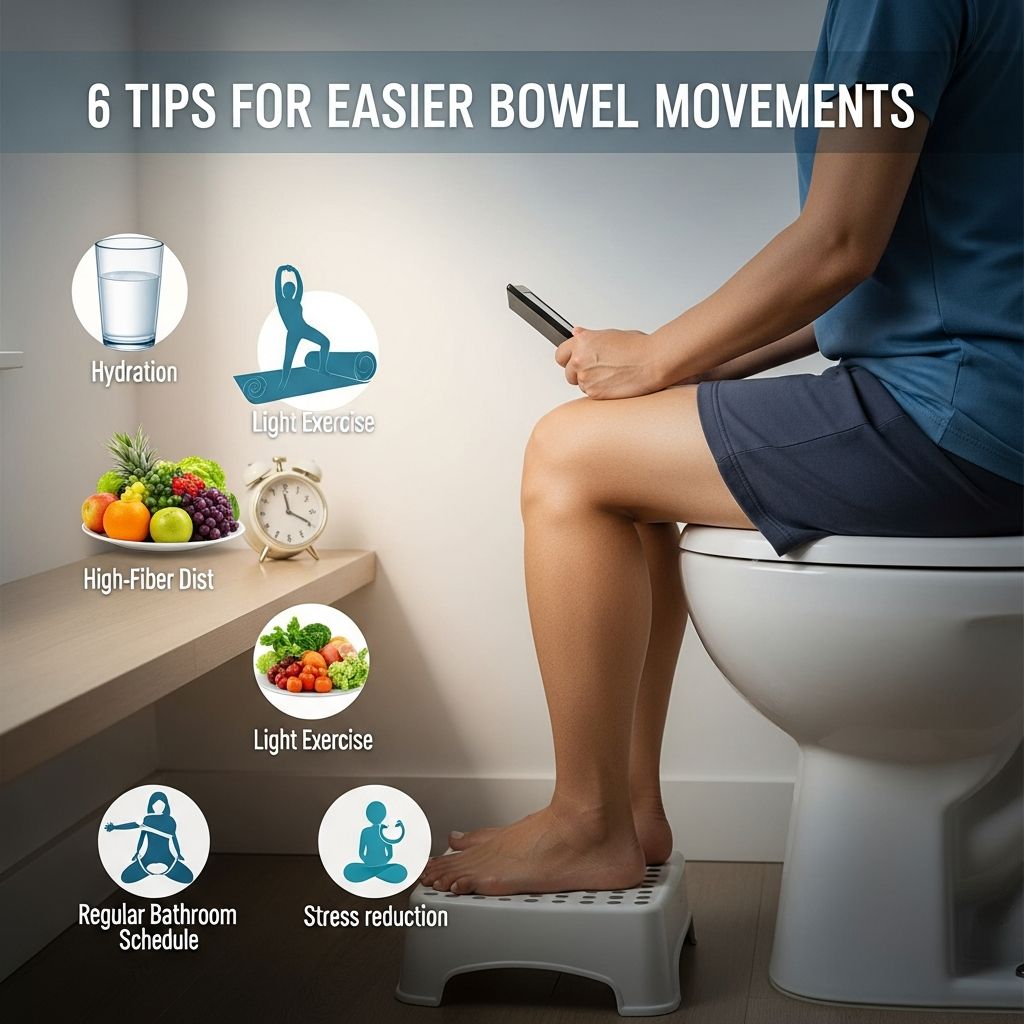
The optimal poop position mimics squatting, which straightens the rectum for effortless elimination. Western toilets promote upright sitting, creating a kink in the recto-anal angle that hinders passage. Elevating knees above hips with a footstool resolves this.
- Squatting posture: Aligns the anus and rectum, reducing strain.
- Footstool use: Products like Squatty Potty raise knees 8-10 inches.
- Lean forward: Rest elbows on knees to relax pelvic floor.
Studies show squatting shortens evacuation time by 50% and eases constipation. If squatting feels awkward, start with a low stool and gradually adjust.
Tip 1: Elevate Your Feet with a Stool
Using a defecation posture modification device (DPMD) like a footstool recreates the natural squatting position used by 75% of the global population. This elevates the thighs parallel to the ground, opening the anorectal angle from 90° to 120° for smoother stool flow.
Place the stool 12-18 inches from the toilet base. Benefits include:
- Less straining and hemorrhoid risk.
- Faster bowel emptying.
- Improved pelvic floor relaxation.
A 2019 study confirmed footstools reduce defecation effort significantly. Affordable options start at $10; DIY with books or a sturdy box.
Tip 2: Don’t Hold It In—Go When You Need To
Ignoring the urge to poop allows water absorption from stool, making it harder. The rectum signals via stretch receptors when full; delaying tenses sphincters and pelvic floor, worsening constipation.
Train consistent habits:
- Poop after meals when gastrocolic reflex is strongest.
- Set a daily routine, like morning bathroom time.
- Avoid “just in case” poops—let natural urge guide you.
Chronic suppression can lead to megarectum or incontinence. Listen to your body for optimal gut motility.
Tip 3: Drink More Water and Fluids
Hydration softens stool by maintaining water content in the colon. Dehydration causes hard, pellet-like poops. Aim for 8-10 cups daily, more if active or in hot climates.
| Fluid Type | Daily Amount | Benefits |
|---|---|---|
| Water | 64-100 oz | Softens stool, prevents compaction |
| Herbal tea | 2-3 cups | Hydrates + mild laxative effect |
| Prune juice | 4-8 oz | Sorbitol draws water into bowel |
| Coffee | 1-2 cups | Stimulates colon contractions |
Pro tip: Drink warm liquids to stimulate peristalsis.
Tip 4: Eat More Fiber—but Do It Right
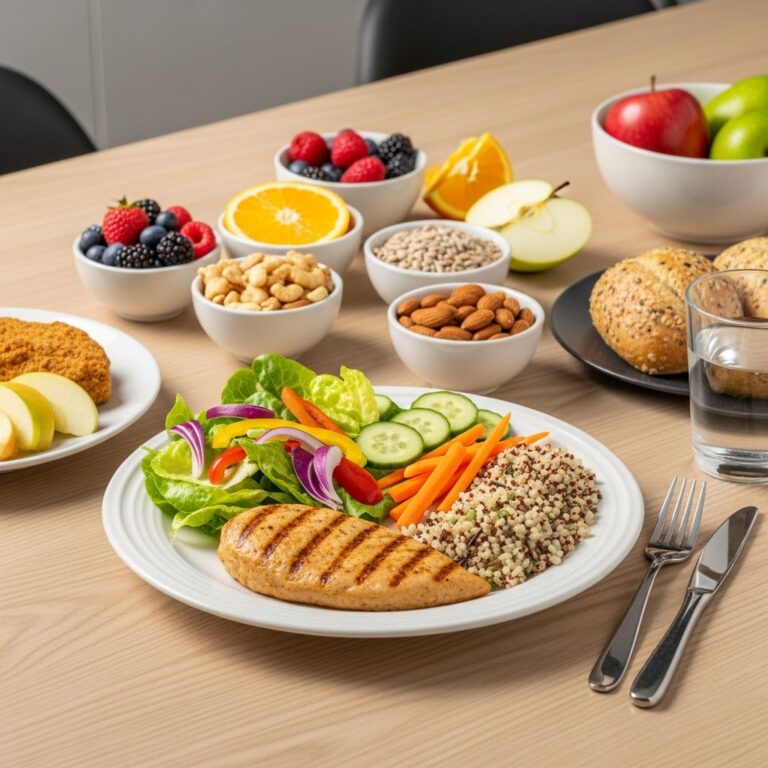
Fiber bulks stool and speeds transit. Soluble fiber absorbs water for soft stools; insoluble adds bulk. Gradually increase to 25-38g daily to avoid bloating.
Related Stories



- Soluble: Oats, apples, beans (forms gel).
- Insoluble: Bran, veggies, nuts (sweeps colon).
Sample high-fiber day:
- Breakfast: Oatmeal + berries (8g).
- Lunch: Salad + beans (12g).
- Dinner: Veggies + quinoa (10g).
- Snack: Apple + almonds (5g).
Avoid sudden jumps; pair with water. If low-fiber diet caused issues, expect 1-2 weeks for adaptation.
Tip 5: Exercise Regularly for Gut Motility
Physical activity stimulates intestinal muscles. Sedentary lifestyles slow transit by 20-30%. Aim for 150 minutes moderate exercise weekly.
- Walking: 30 min post-meal boosts gastrocolic reflex.
- Yoga: Poses like child’s pose massage abdomen.
- Core work: Strengthens pelvic floor without straining.
Even light movement like pacing during urge helps. Exercise redistributes blood flow to gut.
Tip 6: Try Abdominal Massage and Breathing
Massage promotes peristalsis: Lie down, use clockwise circles from right lower abdomen up to ribs, across, down left side (10 min). Deep belly breathing relaxes sphincters—inhale for 4, hold 4, exhale 6.
Combine with heat pad on belly for muscle relaxation. Effective for mild constipation.
When to See a Doctor for Constipation
Seek help if:
- No BM for 3+ days with pain.
- Blood in stool, unexplained weight loss.
- Symptoms persist despite changes.
Underlying issues like IBS, meds, or thyroid may need treatment.
Frequently Asked Questions (FAQs)
Is squatting better than sitting to poop?
Yes, squatting straightens the rectum better than sitting, easing passage—use a footstool on Western toilets.
How long is healthy to sit on the toilet?
5-10 minutes max; straining longer risks hemorrhoids. Get up, walk, try later.
Does coffee help you poop?
Yes, caffeine stimulates colon contractions within 30 minutes for many.
Can you poop too much?
3+ times daily with loose stools may signal issues like infection—monitor consistency.
What relieves constipation fast?
Prunes, warm water, walking, or stimulant laxatives (use sparingly).
References
- Best poop position: Tips for relieving constipation — Medical News Today. 2023-10-15. https://www.medicalnewstoday.com/articles/best-poop-position
- In brief: How do bowel movements work? — InformedHealth.org / NCBI Bookshelf. 2023-05-01. https://www.ncbi.nlm.nih.gov/books/NBK279481/
- Constipation — Mayo Clinic. 2024-11-12. https://www.mayoclinic.org/diseases-conditions/constipation/symptoms-causes/syc-20354253
- Bristol Stool Form Scale — American Gastroenterological Association. 2022-06-20. https://gastro.org/clinical-guidance/bristol-stool-form-scale/
- Effects of posture on defecation — PubMed (DOI: 10.1007/s10350-019-0620-4). 2019-08-15. https://pubmed.ncbi.nlm.nih.gov/31436872/
- Dietary Guidelines for Americans: Fiber — USDA. 2025-01-10. https://www.dietaryguidelines.gov/
Similar Articles








Read full bio of medha deb