How to Prevent 7 Picnic Food Safety Mistakes
Master picnic food safety with expert tips to avoid common mistakes and keep your outdoor meals bacteria-free and enjoyable.
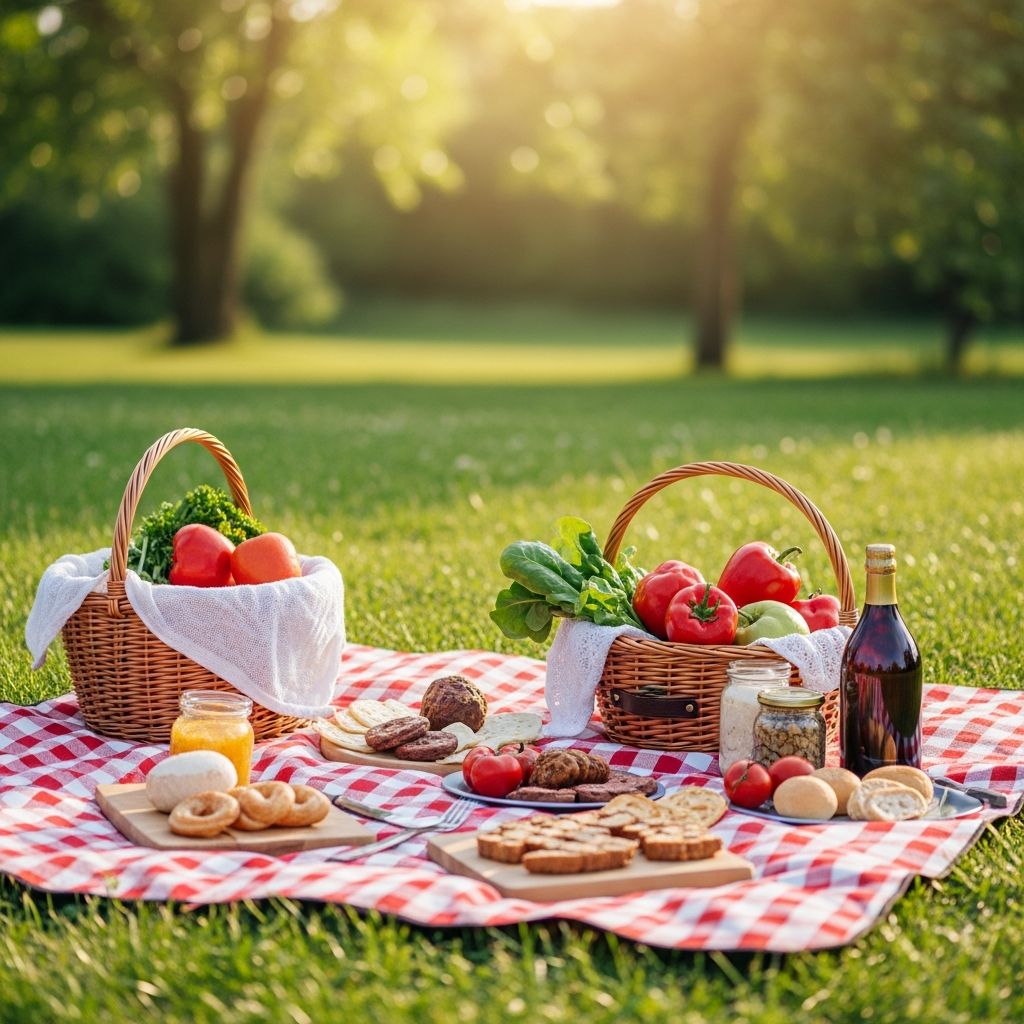
Picnics are a cherished summer tradition, bringing friends and family together for outdoor enjoyment. However, warm weather creates ideal conditions for bacteria growth, turning a relaxing outing into a health risk if food safety is overlooked. According to the CDC, foodborne illnesses affect millions annually, with many preventable through simple practices. This guide outlines the seven most common picnic food safety mistakes and provides actionable prevention strategies, drawing from expert recommendations by the Academy of Nutrition and Dietetics, USDA, and FDA. By following these tips, you can focus on fun without worry.
Proper planning starts at home: chill perishables beforehand, pack smartly, and monitor temperatures throughout the day. Key principles include keeping cold foods below 40°F, hot foods above 140°F, and limiting time in the danger zone (40°F-140°F) where bacteria multiply rapidly—doubling every 20 minutes. Let’s dive into each mistake and how to avoid it.
Picnic Error: You Didn’t Wash Your Hands
A large percentage of foodborne illnesses stem from poor hand hygiene. Hands can transfer bacteria like Salmonella or E. coli from raw meats, surfaces, or even the environment to ready-to-eat foods. At picnics without running water, this risk escalates.
- Wash hands thoroughly with soap and water for at least 20 seconds before cooking, after handling raw meat, poultry, or seafood, and before preparing or serving food.
- If no water is available, use alcohol-based hand sanitizer (at least 60% alcohol), rubbing it over all hand surfaces, including between fingers and under nails until dry.
- Pack moist disposable towelettes or a water jug with soap and paper towels as backups for outdoor hand cleaning.
Incorporate handwashing into your picnic routine—set up a dedicated cleaning station near your prep area. This simple step can prevent up to 30% of foodborne outbreaks linked to poor hygiene, per health authorities.
Picnic Error: You Didn’t Start with a Clean Slate
Cleanliness extends beyond hands to coolers, bags, containers, and produce. Raw meat juices dripping into coolers or onto reusable bags create bacterial breeding grounds.
- Sanitize coolers with a bleach solution (1 tablespoon unscented bleach per gallon of water) before packing; rinse and air dry.
- Wash reusable transport bags in hot, soapy water and dry completely.
- Pack foods in clean, tightly sealed containers to prevent leaks.
- Wash fruits and vegetables at home under running water, even if peeling, as bacteria can transfer via knives or hands. Pat dry and store in sealed bags.
Pre-washing produce saves time onsite and reduces contamination risks. For added safety, use separate cutting boards for produce and meats at home before packing.
Picnic Error: You Cross-Contaminated
Cross-contamination occurs when bacteria from raw foods transfer to cooked or ready-to-eat items via shared utensils, plates, or marinades.
- Bring two sets of plates, tongs, and utensils: one for raw meats/poultry/seafood, another for cooked and ready-to-eat foods like buns, salads, fruits, and vegetables.
- Never serve cooked hamburgers on plates that held raw patties—this is a leading cause of illness.
- Boil repurposed marinades for at least one minute before using on cooked foods.
- Pack coolers carefully: place raw meats at the bottom in leak-proof bags, separating them from produce and cooked items.
Related Stories



Color-code utensils (e.g., red for raw, green for ready-to-eat) for visual separation. This practice aligns with USDA guidelines to break the contamination chain.
Picnic Error: Your Cooler Lost its Cool
Even insulated coolers fail without proper packing. Food must stay below 40°F to inhibit bacterial growth.
- Pre-chill or freeze perishables and beverages; pack cooler three-quarters full, leaving space for ice packs or ice (one-quarter volume).
- Pack cold foods together, hot foods separately (in thermoses above 140°F).
- Include an appliance thermometer; monitor to ensure temperatures never exceed 40°F.
- Use a separate cooler for beverages to minimize openings on the food cooler.
- Transport in air-conditioned car backseat, not hot trunk; keep shaded onsite and replenish melting ice.
A well-packed cooler acts like a refrigerator on the go. Test it pre-picnic by packing and checking temps after a few hours.
Picnic Error: You Repurposed Ice
Ice melted from food coolers often absorbs raw meat juices, making it unsafe for drinks.
- Pack beverage ice in a separate sealed, waterproof bag or cooler.
- Use commercial ice or block ice for food coolers; avoid repurposing any melted ice.
- Drain water from melting ice but replace with fresh ice as needed.
This overlooked error contaminates drinks, spreading bacteria orally. Always prioritize dedicated ice sources for consumption.
Picnic Error: You Didn’t Bring a Food Thermometer
Cooking to safe internal temperatures kills harmful bacteria like E. coli in ground meats or Campylobacter in poultry.
| Food Type | Minimum Internal Temperature |
|---|---|
| Ground meats (hamburgers) | 160°F |
| Chicken breasts/legs | 165°F |
| Whole poultry | 165°F |
| Steaks/roasts (medium-rare) | 145°F (rest 3 min) |
| Fish | 145°F |
- Insert thermometer into thickest part, avoiding bone or fat for accurate readings.
- Test multiple spots on large cuts; use instant-read digital thermometers for speed.
- Cook take-out fried chicken or reheats to steaming hot (165°F).
Visual cues like color or juice clarity are unreliable—always verify with a thermometer per USDA standards.
Picnic Error: You Let Food Sit Out
The danger zone (40°F-140°F) allows bacteria to thrive unseen, as toxins aren’t detectable by smell or taste.
- Limit perishables (meats, salads, dairy, mayo-based dishes) to 2 hours out; 1 hour if above 90°F.
- Grill only what fits; return leftovers to cooler immediately.
- Use timers or phone alarms to track time.
- Discard any food left out too long—better safe than sorry.
Potato, egg, and tuna salads are high-risk due to mayo and eggs; monitor closely. Shade coolers and cover foods to deter insects carrying pathogens.
Frequently Asked Questions (FAQs)
Q: How do I clean my grill for a safe picnic?
A: Scrub grates with a grill brush, then inspect for loose bristles that could embed in food—a CDC-cited hazard. Opt for mesh pads; preheat and oil grates.
Q: Can I eat potato salad left out for 3 hours?
A: No—discard it. Bacteria double every 20 minutes in the danger zone; mayo-based salads spoil fastest.
Q: What’s the best way to pack hot foods for picnics?
A: Use insulated thermoses preheated with boiling water; keep above 140°F. Avoid mixing with cold items.
Q: Do I need separate coolers for everything?
A: Ideally, yes—one for raw meats, one for perishables, one for drinks—to prevent cross-contamination and frequent openings.
Q: How early should I chill food before packing?
A: Refrigerate meats overnight; freeze if trip exceeds 1 hour. Pack directly from fridge/freezer.
Implementing these strategies ensures safe, enjoyable picnics. Share this guide for healthier gatherings!
References
- Handling Food Safely While Eating Outdoors — U.S. Food and Drug Administration (FDA). 2023. https://www.fda.gov/food/buy-store-serve-safe-food/handling-food-safely-while-eating-outdoors
- Safe Picnics: A Guide to Preventing Foodborne Illness — Clemson University Cooperative Extension (HGIC). 2024. https://hgic.clemson.edu/factsheet/safe-picnics-a-guide-to-preventing-foodborne-illness-at-outdoor-gatherings/
- How to Prevent 7 Picnic Food Safety Mistakes — Academy of Nutrition and Dietetics (eatright.org). 2024. https://www.eatright.org/food/planning/away-from-home/how-to-prevent-7-picnic-food-safety-mistakes
- USDA Serves Up Food Safety Guidelines for Your Summer Cookout — United States Department of Agriculture (USDA). 2025-05-13. https://www.usda.gov/about-usda/news/press-releases/2025/05/13/usda-serves-food-safety-guidelines-your-summer-cookout
- 7 Food Safety Tips for Picnics and Summer BBQs — Michigan Medicine (University of Michigan). 2024. https://www.michiganmedicine.org/health-lab/dont-let-these-7-dangerous-foods-spoil-your-picnic
Similar Articles








Read full bio of medha deb