How to Prevent Cavities: 7 Proven Tips for Healthy Teeth
Master cavity prevention with evidence-based strategies for stronger, healthier teeth.
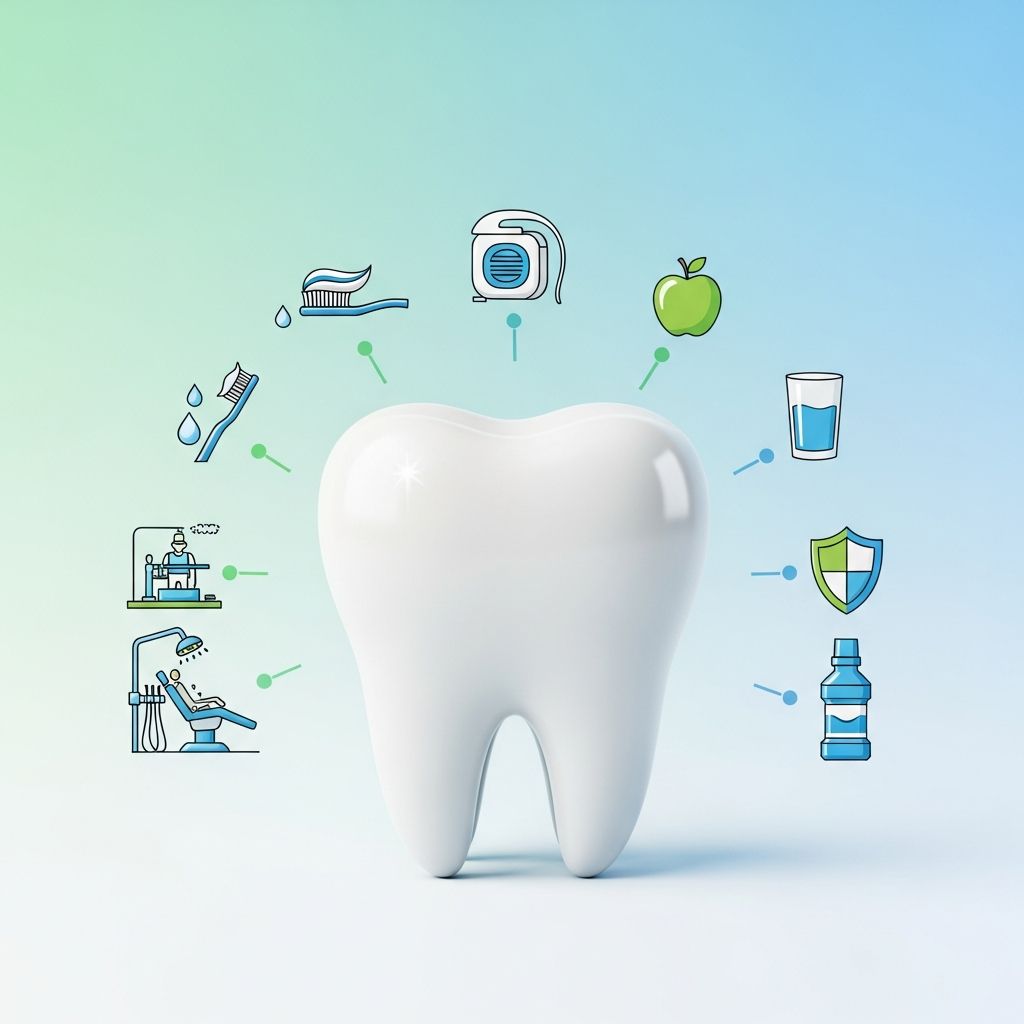
Hearing the words “you have a cavity” from your dentist is never welcome news. Yet cavities resulting from tooth decay remain among the most common dental concerns affecting people worldwide. The good news is that cavities are largely preventable through consistent oral hygiene habits and smart lifestyle choices. Understanding how cavities form and what steps you can take to prevent them is essential for maintaining a healthy smile throughout your life.
Understanding Tooth Decay and Cavities
A cavity is a small hole that develops in your tooth, and it’s the result of a process called tooth decay. This process begins when bacteria in your mouth produce acids that attack your tooth’s enamel—the hard, protective outer layer of your tooth. When these acids continuously erode the enamel, they create microscopic damage that eventually progresses into a visible cavity.
Tooth decay can progress silently, often without noticeable symptoms in its early stages. However, as decay advances, you may experience toothaches, tooth sensitivity to hot and cold temperatures, mild or sharp pain, visible holes or pits in your teeth, brown or black staining on tooth surfaces, or pain when biting. If left untreated, tooth decay can lead to serious complications including infection, pain, and even tooth loss.
Common Risk Factors for Cavities
Your risk of developing cavities increases if you engage in certain habits or have specific conditions. Consuming foods and drinks with added sugars or acids between meals significantly elevates your cavity risk. Additionally, certain medications or health conditions that reduce saliva production make your teeth more vulnerable, as saliva plays a crucial protective role against acid attacks. Other risk factors include wearing braces or other oral appliances, having visible tooth roots, or experiencing difficulty brushing due to vision, cognitive, or physical limitations.
7 Essential Steps to Prevent Cavities
#1: Visit Your Dentist for Regular Teeth Cleanings
Professional dental care is your first line of defense against cavities. Visiting your dentist twice yearly for check-ups and professional cleanings allows for early detection and treatment of tooth decay before it becomes a serious problem. Your dentist can identify cavities at their earliest stages when they’re easiest to treat and can provide personalized advice for improving your oral hygiene routine.
During these visits, your dentist may also apply dental sealants to protect your back teeth or provide professional fluoride treatments. Research shows that dental sealants on back teeth prevent 80% of cavities in those vulnerable areas, making them an excellent preventive tool, especially for children.
#2: Brush Your Teeth with Fluoride Toothpaste
Brushing your teeth at least twice daily is crucial for maintaining oral health and preventing cavities. This practice removes plaque—a bacterial film that accumulates on teeth and contains microorganisms responsible for decay. By brushing away plaque regularly, you eliminate most of the bacteria that lead to tooth decay and cavity formation.
The key ingredient in your toothpaste should be fluoride, a mineral that strengthens tooth enamel and helps prevent decay. Fluoride works by preventing mineral loss in tooth enamel and even replacing minerals that have already been lost, effectively reversing early-stage tooth decay. Research confirms that children who brush daily with fluoride toothpaste have significantly fewer cavities.
Ensure you brush for at least two minutes each time, and be sure to supervise young children during brushing to ensure proper technique and adequate fluoride use.
#3: Floss Daily
While brushing is essential, it cannot reach all areas of your mouth. Flossing at least once daily removes plaque and food particles from between your teeth and under the gumline—areas where your toothbrush cannot easily reach. These tight spaces are particularly prone to plaque buildup and tooth decay, making daily flossing an indispensable part of cavity prevention.
Using proper flossing technique is just as important as the frequency. Incorrect flossing can increase your risk of gum injury, so take time to learn the correct method from your dentist or dental hygienist. Clean between teeth gently, curving the floss around each tooth and moving it under the gumline without forcing it or causing pain.
#4: Rinse Your Mouth Twice Daily with Mouthwash
Antimicrobial mouthwash can reach nearly 100% of your mouth, cleaning areas that brushing and flossing may miss. Rinsing with a fluoride or antimicrobial mouthwash twice daily helps prevent cavities and tooth decay by reducing harmful bacteria and providing additional fluoride protection.
Use mouthwash after brushing and flossing, and avoid eating or drinking for at least 30 minutes afterward to maximize its effectiveness. Choose a mouthwash that contains fluoride or antimicrobial agents like essential oils or chlorhexidine for optimal cavity prevention.
#5: Make Cavity-Protective Food Choices
Your diet plays a significant role in cavity prevention. Every time you eat or drink something containing sugar or starches, bacteria in your mouth use these substances to produce acids that attack your tooth enamel. To prevent cavities, it’s important to limit how frequently you consume sugary or starchy foods, as repeated acid attacks can overwhelm your teeth’s natural repair mechanisms.
Incorporate cavity-protective foods into your diet:
- Calcium-rich foods: Cheese, milk, plain yogurt, calcium-fortified tofu, leafy greens, and almonds help protect and rebuild tooth enamel
- Protein and phosphorus-rich foods: Meat, poultry, fish, eggs, and dairy products support tooth strength and enamel restoration
- Fruits and vegetables: High in water and fiber, these foods help balance sugars and naturally clean teeth
- Water: The most tooth-friendly beverage, water helps wash away food particles and bacteria while containing no sugar or acids
Additionally, limit between-meal snacking, which reduces the number of acid attacks on your teeth and gives them time to repair themselves. Save candy, cookies, and sugary drinks for special occasions, and avoid eating or drinking anything with sugar after your bedtime tooth brushing, as saliva production decreases during sleep.
#6: Chew Sugar-Free Gum to Stimulate Saliva Flow
Chewing sugar-free gum can increase salivary flow by stimulating mechanical and taste receptors in your mouth. Increased saliva volume is beneficial because saliva dilutes and neutralizes the acids produced by bacteria in plaque, protecting your teeth from decay.
Sugar-free gum is especially helpful after meals, as it helps wash away food particles that bacteria feed on. When selecting gum, look for products displaying the American Dental Association (ADA) seal of acceptance, which indicates the product has been tested for safety and efficacy in cavity prevention.
#7: Drink Plenty of Tap Water
Water is the most tooth-friendly beverage you can consume. It helps wash away food particles and residues that bacteria feed on, and because it contains no sugar or acids, it won’t contribute to bacterial growth or enamel erosion.
Drinking fluoridated tap water is especially beneficial for cavity prevention. Research demonstrates that children who drink fluoridated tap water have significantly fewer cavities. Make water your primary beverage and encourage family members to do the same, replacing sugary drinks, acidic beverages, and even fruit juices which can contribute to tooth decay.
Understanding the Tooth Decay Process
Understanding how tooth decay develops can help you appreciate why these prevention strategies are so important. Tooth decay is a dynamic process where your teeth are engaged in a constant “tug-of-war” between demineralization (loss of minerals) and remineralization (replacement of minerals).
When bacteria in your mouth metabolize sugars and starches, they produce acids that attack your tooth enamel, causing mineral loss. In its early stages, this process can be stopped or even reversed. Your saliva contains minerals that can repair enamel damage, and fluoride from toothpaste and other sources can replace lost minerals, strengthening your teeth.
However, if acid attacks continue repeatedly—such as when you frequently consume sugary foods or drinks—your teeth lose minerals faster than they can be replaced. Over time, the enamel weakens and a cavity forms, which is permanent damage requiring professional repair with a filling.
Advanced Preventive Measures
Dental Sealants
Dental sealants are thin, plastic coatings painted onto the chewing surfaces of back teeth, or molars. These surfaces have small pits and grooves where food and bacteria easily become trapped and remain for long periods because toothbrush bristles cannot clean them effectively. By covering these vulnerable surfaces, sealants form a barrier that prevents food and bacteria from accumulating and causing decay.
Fluoride Treatments
Beyond using fluoride toothpaste at home, professional fluoride treatments applied by your dentist provide additional protection. Fluoride varnish is particularly effective, reducing cavities in primary (baby) teeth by one-third. Your dentist may recommend professional fluoride applications if you’re at high risk for cavities or have early signs of decay.
Special Considerations for Different Groups
While cavity prevention strategies are universally beneficial, some groups require special attention. Young children need supervision during brushing to ensure they use the correct amount of toothpaste and develop good habits early. Individuals with braces or other oral appliances must be especially vigilant about cleaning around these devices, as they can trap food and bacteria. Those with visible tooth roots or reduced saliva production should discuss additional preventive measures with their dentist.
Creating a Comprehensive Oral Health Routine
Preventing cavities comes down to developing consistent oral health habits and making smart choices daily. Your comprehensive cavity prevention routine should include:
- Brushing and rinsing twice daily with fluoride products
- Flossing once daily with proper technique
- Visiting your dentist twice yearly for professional cleanings and check-ups
- Limiting sugary and acidic foods and drinks, especially between meals
- Choosing water as your primary beverage
- Eating cavity-protective foods rich in calcium, phosphorus, and protein
- Chewing sugar-free gum after meals when brushing isn’t possible
- Avoiding eating or drinking sugar after bedtime brushing
Frequently Asked Questions (FAQs)
Q: At what age should children start cavity prevention?
A: Cavity prevention should begin as soon as your baby’s first tooth appears, typically around age 6 months. Start with gentle gum cleaning, and begin using a small amount of fluoride toothpaste when the first tooth erupts.
Q: Can cavities in baby teeth affect permanent teeth?
A: Yes, untreated cavities in baby teeth can lead to infection and affect the development of permanent teeth. Additionally, losing baby teeth prematurely to decay can impact proper spacing and alignment of permanent teeth.
Q: How often should I visit my dentist?
A: Most people benefit from visiting their dentist twice yearly for check-ups and professional cleanings. However, those at higher risk for cavities may need more frequent visits based on their dentist’s recommendation.
Q: Is fluoride safe for children?
A: Yes, fluoride is safe when used appropriately. For young children, use only a pea-sized amount of fluoride toothpaste and supervise brushing to prevent swallowing excess fluoride.
Q: Can I reverse early tooth decay?
A: Yes, early-stage tooth decay can be stopped or even reversed through proper use of fluoride products and improved oral hygiene habits. Once a cavity has formed, professional filling is necessary.
Q: What’s the best time to floss?
A: Floss before or after brushing, whichever you’ll do consistently. Some experts recommend flossing before brushing to remove debris, allowing the fluoride toothpaste to reach between teeth more effectively.
Q: Are natural cavities prevention methods effective?
A: While diet improvements and natural foods can support oral health, fluoride-based products and professional dental care remain the most evidence-based approaches to cavity prevention.
Taking Control of Your Oral Health
Cavities are preventable, and the power to protect your teeth lies largely in your hands. By implementing these seven proven strategies—regular dental visits, fluoride toothpaste, daily flossing, antimicrobial mouthwash, smart food choices, sugar-free gum, and water consumption—you can significantly reduce your cavity risk. Consistency is key; these habits work best when practiced daily over the long term. If you have concerns about your oral health or notice symptoms of tooth decay, consult your dentist promptly. With dedication to these preventive measures, you can maintain strong, healthy teeth and avoid the dental pain and expense associated with cavities.
References
- How to Prevent Cavities and Tooth Decay: 7 Tips — LISTERINE®. Accessed January 13, 2026. https://www.listerine.com/cavities-strong-teeth/easy-cavity-prevention
- About Cavities (Tooth Decay) — Centers for Disease Control and Prevention (CDC). Accessed January 13, 2026. https://www.cdc.gov/oral-health/about/cavities-tooth-decay.html
- The Tooth Decay Process: How to Reverse It and Avoid a Cavity — National Institute of Dental and Craniofacial Research (NIDCR). Accessed January 13, 2026. https://www.nidcr.nih.gov/health-info/tooth-decay/more-info/tooth-decay-process
- Oral Health: A Window to Your Overall Health — Mayo Clinic. Accessed January 13, 2026. https://www.mayoclinic.org/healthy-lifestyle/adult-health/in-depth/dental/art-20047475
- Oral Health — World Health Organization (WHO). Accessed January 13, 2026. https://www.who.int/news-room/fact-sheets/detail/oral-health
Similar Articles








Read full bio of medha deb