How To Prevent Cavities: 11 Dentist-Recommended Tips
Expert tips from dentists on brushing, flossing, diet, and more to keep your teeth cavity-free and healthy for life.
Cavities, also known as dental caries, are one of the most common chronic diseases affecting people of all ages, but they are largely preventable with consistent oral hygiene practices and smart lifestyle choices. Tooth decay occurs when bacteria in the mouth feed on sugars and starches from food, producing acids that erode tooth enamel over time, leading to holes in the teeth if left unchecked. Early intervention can reverse this process before permanent damage occurs, emphasizing the importance of daily habits like brushing with fluoride toothpaste and regular dental visits.
Understanding the tooth decay process is key to prevention. Bacteria form plaque, a sticky film on teeth, which generates acids during frequent sugar exposure. These acids cause demineralization, where minerals like calcium and phosphate are lost from enamel. A white spot may appear as an early sign, but continued attacks weaken the structure, forming a cavity that requires professional filling. By interrupting this cycle through fluoride use, saliva stimulation, and reduced acid exposure, you can protect your teeth effectively.
What Are Cavities?
Cavities develop from the tooth decay process, starting with harmful bacteria using dietary sugars to produce enamel-attacking acids. Hundreds of bacterial types inhabit the mouth, but certain ones like Streptococcus mutans drive decay by thriving on frequent snacking. Plaque buildup exacerbates this, as it shields bacteria and prolongs acid contact. Poor hygiene, such as infrequent brushing, allows plaque to harden into tartar, making removal harder and increasing cavity risk.
Symptoms often emerge late: tooth sensitivity to hot, cold, or sweets; visible pits, holes, or discoloration (brown, black, white stains); sharp pain when biting; or persistent toothaches signaling advanced decay, infection, or abscess risk. Children and adolescents are particularly vulnerable, with molars prone due to deep grooves trapping food. Adults face risks from dry mouth, medications, or acidic diets. Prevention focuses on remineralization—enamel’s natural repair via saliva minerals—bolstered by fluoride.
Risk Factors for Cavities
Several factors heighten cavity risk. Frequent consumption of sugary or starchy foods/drinks fuels bacterial acid production, especially with constant snacking that overwhelms saliva’s buffering. Inadequate brushing (less than twice daily) or flossing leaves plaque intact. Low fluoride exposure weakens enamel’s acid resistance. Other contributors include dry mouth from medications or dehydration, reducing saliva’s cleansing; orthodontic appliances trapping food; and poor saliva quality in conditions like Sjögren’s syndrome.
- Dietary habits: Sodas, candies, juices, and chips provide fermentable carbs for bacteria.
- Hygiene lapses: Skipping floss or using non-fluoride toothpaste.
- Age: Children (developing teeth), elderly (recession, dry mouth).
- Medical: Diabetes impairs healing; bulimia exposes enamel to stomach acids.
Genetic enamel defects or low socioeconomic access to care also play roles. Awareness allows targeted prevention.
11 Dentist-Recommended Tips to Prevent Cavities
Dentists emphasize multifaceted strategies combining mechanical cleaning, chemical protection, and behavioral changes. Here are 11 evidence-based tips:
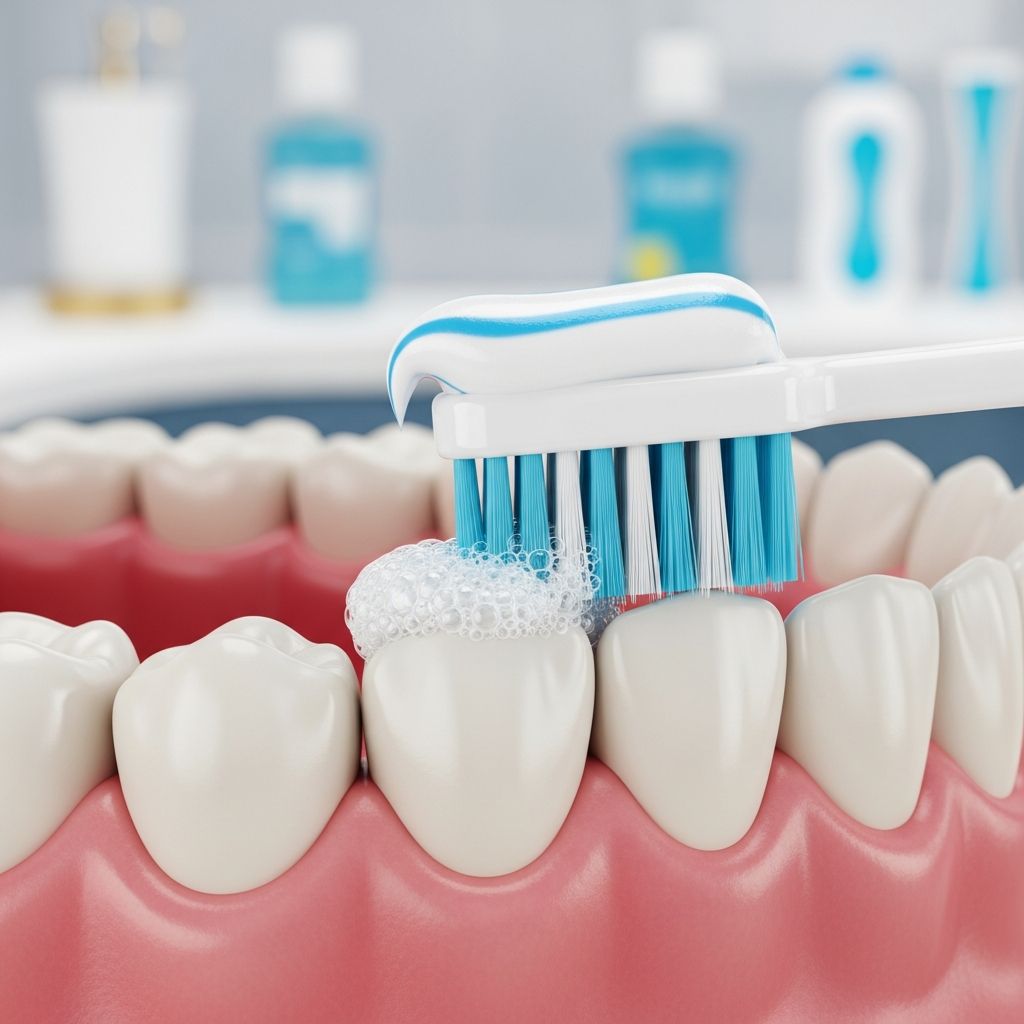
- Brush twice daily with fluoride toothpaste. Fluoride inhibits demineralization, promotes remineralization, and disrupts bacterial acid production. Use a soft-bristled brush for two minutes, covering all surfaces.
- Floss daily. Removes interdental plaque and food where brushes miss, preventing decay in hidden spots. Proper technique: curve floss into a C-shape, gently scrape each side.
- Use antimicrobial mouthwash. Reaches 100% of mouth surfaces post-brushing/flossing, killing bacteria and strengthening enamel. Alcohol-free options suit all ages.
- Visit dentist every 6 months. Professional cleanings remove tartar; exams detect early decay for sealants or fluoride varnishes. Early treatment averts fillings.
- Limit sugary/acidic foods and drinks. Save treats for meals; opt for water. Frequent sipping prolongs acid attacks—rinse post-consumption.
- Chew sugar-free gum after meals. Stimulates saliva to neutralize acids, wash debris. ADA-sealed gums with xylitol starve bacteria.
- Drink fluoridated tap water. Washes residues without sugars; fluoride boosts protection. Avoid bottled if unfluoridated.
- Get dental sealants. Plastic coatings shield molar grooves from trapping food/bacteria. Ideal for kids’ permanent molars (ages 6-14).
- Supervise children’s brushing. Ensure pea-sized fluoride paste; prevent swallowing. Limit bedtime snacks.
- Use remineralizing products. High-fluoride or nano-hydroxyapatite pastes/mouthrises for high-risk individuals.
- Wear mouthguards for sports. Prevents trauma that exposes dentin to decay.
Related Stories



How to Brush Your Teeth Properly
Angle brush 45 degrees to gums, use short strokes. Outer/inner surfaces: vibrate gently. Chew surfaces: back-forth. Tongue: sweep to reduce bacteria. Electric brushes enhance plaque removal by 21%.
Best Flossing Techniques
18 inches floss; wrap around fingers, guide between teeth without snapping. Slide up-down, hug each side 8-10 times. Water flossers aid braces/dexterity issues.
Diet Tips for Cavity Prevention
Diet profoundly impacts oral health. Bacteria metabolize sugars/starches into acids within 20 minutes, peaking at 30-60 minutes—frequent intake sustains attacks.
| Foods/Drinks to Limit | Tooth-Healthy Alternatives |
|---|---|
| Soda, sports drinks, juice | Water, unsweetened tea/milk |
| Candy, cookies, chips | Cheese, nuts, crunchy veggies |
| Sticky dried fruits | Fresh fruits (in moderation) |
| Starchy bread/pasta | Fiber-rich whole grains |
Cheese neutralizes acids via calcium/phosphate; xylitol in gum/sweets inhibits bacteria. Eat snacks sparingly; chew slowly for saliva flow.
Dental Treatments to Prevent Cavities
Beyond home care, professionals offer:
- Fluoride varnish/gel: In-office application 2-4x/year for high-risk patients.
- Sealants: 80% effective on molars for 2-5 years; reapply as needed.
- Prescription toothpaste: 5000 ppm fluoride for severe cases.
- Silver diamine fluoride (SDF): Arrests early decay non-invasively.
Cavities in Children vs. Adults
Children: Baby teeth decay faster (thinner enamel); bottle-feeding risks “baby bottle caries.” Sealants vital for erupting molars. Adults: Recession exposes roots; grinding wears enamel; medications dry mouth. Pregnancy heightens erosion from vomiting.
Frequently Asked Questions (FAQs)
Can cavities heal on their own?
Early demineralization (white spots) can remineralize with fluoride/saliva, but formed cavities require fillings.
How long does it take for a cavity to form?
Weeks to years, depending on diet/hygiene. Frequent acids accelerate.
Is tap water better than bottled for teeth?
Yes, if fluoridated—rinses debris, adds protection.
Do electric toothbrushes prevent cavities better?
They remove more plaque, aiding prevention when paired with fluoride.
Can xylitol really stop cavities?
Yes, it reduces harmful bacteria; ADA-approved gums help.
References
- How to Prevent Cavities and Tooth Decay: 7 Tips — Listerine. Accessed 2026. https://www.listerine.com/cavities-strong-teeth/easy-cavity-prevention
- The Tooth Decay Process: How to Reverse It and Avoid a Cavity — National Institute of Dental and Craniofacial Research (NIDCR), NIH. Accessed 2026. https://www.nidcr.nih.gov/health-info/tooth-decay/more-info/tooth-decay-process
Similar Articles








Read full bio of medha deb