Prevent Dry Eyes In Winter: 7 Simple, Effective Tips
Expert strategies to keep your eyes comfortable and hydrated throughout the cold winter months.
How to Prevent Dry Eyes During Winter
Winter brings a unique set of challenges for eye health. Cold outdoor air, indoor heating systems, and reduced humidity levels create an environment where dry eyes become increasingly common. Understanding the causes and implementing preventative measures can help you maintain comfortable vision throughout the season. This guide explores evidence-based strategies to protect your eyes from winter dryness and irritation.
Why Winter Causes Dry Eyes
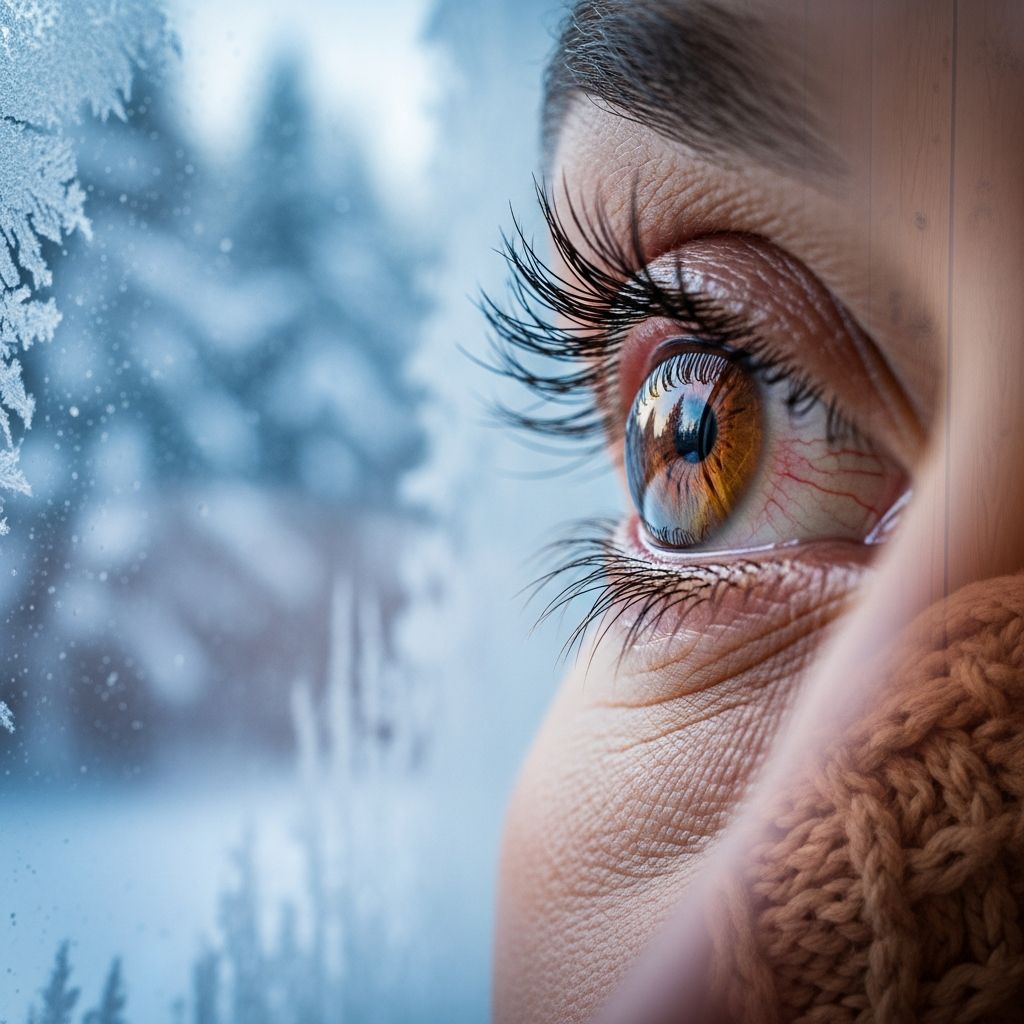
Dry eye symptoms intensify during winter due to several interconnected environmental factors. The cold air outside contains significantly less moisture than warmer seasons, and this dry air pulls moisture away from the eye’s surface more rapidly. When you step indoors to escape the cold, you encounter another problem: indoor heating systems strip additional moisture from the air, creating an even drier environment. This double assault on your eye’s natural tear film makes winter an especially challenging season for eye comfort.
The tear film is a delicate three-layer structure that keeps vision clear, washes away debris, and reduces friction with each blink. Winter conditions disrupt this protective layer by accelerating tear evaporation. Additionally, exposure to harsh winter winds can deplete your natural tears even more quickly, leaving your eyes vulnerable and exposed. People who are older, wear contact lenses, or suffer from autoimmune diseases and hormonal imbalances face higher risk of experiencing winter dry eye flare-ups.
Understanding Winter Eye Irritation Symptoms
Recognizing the signs of dry eyes helps you take action before discomfort becomes severe. Common symptoms include stinging or burning sensations, redness, itchiness, and the feeling that a foreign object is lodged in your eye. As the condition progresses, you may experience blurry vision, light sensitivity, eye fatigue, and difficulty wearing contact lenses. If left untreated, chronic dry eye disease can cause significant discomfort and affect your quality of life.
Effective Prevention Strategies
Use Artificial Tears and Eye Drops
Artificial tears are among the most accessible and effective remedies for winter dry eyes. These lubricating drops help reinforce your natural tear layer and ease mild symptoms. When selecting eye drops, preservative-free options are often recommended for frequent use because repeated exposure to preservatives can worsen irritation in some patients. Avoid “redness relief” drops, which primarily change the appearance of the eye rather than treating dryness and can cause rebound redness with overuse.
For nighttime use, lubricating ointments provide superior protection compared to eye drops. These thicker formulations coat your eyes better and provide lasting relief throughout the night, making them ideal for addressing morning dryness. You can apply artificial tears as often as necessary to increase moisture and enhance comfort.
Install and Use Humidifiers
Humidifiers are powerful tools for combating winter dryness. These devices restore moisture to the air inside your home or workplace, directly counteracting the drying effects of heating systems. Maintaining indoor humidity levels between 30% and 50% can prevent tear evaporation, reducing eye dryness and discomfort. Consider placing humidifiers in multiple locations where you spend significant time, such as your bedroom, living room, and home office.
Related Stories



Keep humidifiers running throughout the night when your eyes are particularly vulnerable and producing fewer tears naturally. A cool mist humidifier helps restore moisture without adding excess heat to your environment. Regular maintenance of your humidifier ensures it operates efficiently and prevents bacterial or mold growth.
Wear Protective Eyewear
Protective eyewear serves multiple functions in winter eye care. Wraparound glasses or winter goggles shield your eyes from cold air and harsh winds, helping them retain moisture by preventing tear evaporation. This protection also blocks common irritants like dust and debris from getting into your eyes. For added benefit, choose glasses with side shields that provide comprehensive coverage. Even regular sunglasses can offer protection when stepping outdoors, particularly in windy conditions.
Support Your Eyelid Oil Glands
The meibomian glands along your eyelid margins supply the crucial oil layer of the tear film. When these glands become clogged, tears evaporate more quickly, worsening dry eye symptoms. Placing a warm, damp cloth over closed eyes for several minutes helps loosen thickened oil and improve gland function. After applying the warm compress, gentle eyelid cleansing removes debris and supports healthier gland performance. This simple routine, performed nightly, can significantly improve tear stability and reduce discomfort.
Adjust Daily Habits and Screen Time
Your daily habits significantly impact tear production and eye comfort. Blinking is a natural function that redistributes tears and keeps eyes lubricated, but people tend to blink less when using digital devices or performing concentration-intensive tasks. Make a conscious effort to blink more frequently, and intentionally pause regularly to look away from screens. The 20-20-20 rule is helpful: every 20 minutes, look at something 20 feet away for 20 seconds. This simple practice reduces eye strain and allows tear film to stabilize.
Avoid pointing heat vents directly toward your face, as direct airflow over the eyes prevents adequate tear film stability. Small environmental adjustments in your workspace can yield significant comfort improvements.
Maintain Proper Hydration
Your body’s overall hydration status directly affects tear production. Your body comprises approximately two-thirds water, but these levels fluctuate through normal processes like sweating and using the bathroom. Many people reduce their water intake during winter, which can contribute to dry eye symptoms. Rather than gulping water when thirsty, try sipping water regularly throughout the day or alternate with warm herbal teas. Avoid or limit beverages that cause dehydration, such as caffeinated drinks and alcohol.
Adequate hydration supports your overall health and ensures your tear glands can produce sufficient tears to maintain eye moisture. This seemingly simple step has a profound impact on winter eye comfort.
Avoid Rubbing Your Eyes
When eyes feel irritated, the urge to rub them is strong, but this habit can worsen irritation of delicate tissues and spread germs during cold and flu season. Instead, use alternative relief methods such as applying a cool, damp rag or using artificial tears. These safer approaches address discomfort without causing additional damage to your eye’s surface.
Additional Considerations for Winter Eye Health
Medication Effects
Certain medications commonly used in winter can reduce tear production. Oral antihistamines and decongestants, which many people use more frequently during cold season, can exacerbate dry eye symptoms. If you rely on these medications, share your complete medication list during eye exams so your eye care professional can identify potential contributing factors and recommend appropriate solutions.
Professional Treatment Options
For persistent cases that don’t respond to home remedies, professional treatments are available. Mild cases often respond to artificial tears or lubricating eye drops, but more persistent cases may benefit from prescription eye drops that reduce inflammation. Warm compresses and punctal plugs—small devices that help retain natural tears longer—are additional options your eye doctor may recommend. A comprehensive dry eye evaluation can identify the underlying cause of your symptoms and determine the appropriate treatment level needed.
Long-Term Winter Eye Care Habits
Many winter-focused habits, such as regular artificial tears, lid hygiene, and screen breaks, benefit dry eye management at any time of year. While seasonal adjustments can be a good starting point, long-term management is usually most effective when it becomes part of your daily routine. Consider these winter practices as the foundation of year-round eye health rather than temporary measures.
Frequently Asked Questions About Winter Dry Eyes
Q: Can cold medications worsen dry eyes?
A: Yes, some oral medications including certain antihistamines and decongestants can reduce tear production. Individuals who rely on these medicines more often in colder months may notice increased dryness. Discuss your full medication list with your eye care professional during examinations.
Q: How often should I use artificial tears?
A: You can apply artificial tears as often as necessary to increase moisture and enhance comfort. However, preservative-free formulations are recommended for frequent use, as preservatives in some drops can worsen irritation with repeated exposure.
Q: What humidity level is best for eye health?
A: Maintaining indoor humidity levels between 30% and 50% can prevent tear evaporation and reduce eye dryness and discomfort. This range is also comfortable for overall health and prevents overly moist environments that could encourage mold growth.
Q: Should I continue winter eye care habits year-round?
A: Yes, many winter-focused habits benefit dry eye management at any time of year. Regular artificial tears, lid hygiene, and screen breaks should become part of your daily routine for optimal eye health throughout the year.
Q: When should I see an eye doctor about dry eyes?
A: If home remedies don’t provide relief or your symptoms worsen, consult your eye care professional. A comprehensive dry eye evaluation can identify the underlying cause and determine appropriate treatment options, which may include prescription medications or in-office therapies.
Q: Are contact lenses more problematic in winter?
A: Yes, people who wear contact lenses often experience increased discomfort during winter. The dry conditions accelerate tear evaporation, making contact lenses feel uncomfortable. Increasing artificial tear use and reducing contact lens wear time during winter can help manage this issue.
Creating Your Winter Eye Care Routine
Effective winter eye care requires a multi-faceted approach rather than relying on a single solution. Combine several strategies tailored to your individual needs: maintain proper hydration, use a humidifier in frequently occupied spaces, apply artificial tears regularly, protect your eyes with appropriate eyewear, and practice good eyelid hygiene. Small environmental adjustments—such as redirecting heat vents away from your face and taking regular screen breaks—complement these primary strategies.
Dry eyes in winter are common, but they don’t have to be an inevitable part of the season. By understanding how cold air, indoor heat, and daily habits affect your tear film, you can take proactive steps to protect your eye’s surface. Most cases of winter dry eye respond well to these prevention and management strategies, allowing you to maintain clear, comfortable vision throughout the coldest months. When home remedies prove insufficient, professional eye care provides additional solutions to restore your eye comfort and quality of life.
References
- Preventing Dry Eyes and Eye Irritation in Winter — GoHealth Urgent Care. 2024. https://www.gohealthuc.com/library/preventing-dry-eyes-and-eye-irritation-in-winter
- Dry Eyes in Winter: Relief Tips and When to Visit Your Eye Doctor — Carolina Eye Care. 2024. https://carolinaeyecare.com/blog/dry-eyes-in-winter-relief-tips-and-when-to-visit-your-eye-doctor/
- Protect Yourself from Dry Eyes This Winter — Michigan Medicine, University of Michigan. 2024. https://www.michiganmedicine.org/health-lab/protect-yourself-dry-eyes-winter
- How to Prevent Dry Eyes in the Winter Months — Wichita Falls Eye Care (NTOA Eye). 2024. https://www.ntoaeye.com/blog/how-to-prevent-dry-eyes-in-the-winter-months.html
- Dry Eyes in Winter: Causes and Treatments — St. Paul Eye Clinic. 2024. https://stpauleye.com/articles/dry-eyes-in-winter-treatment-options
Similar Articles








Read full bio of Sneha Tete