How To Prevent Heartburn: 9 Science-Backed Tips For Relief
Expert tips to stop heartburn before it starts, from diet changes to lifestyle tweaks that really work.
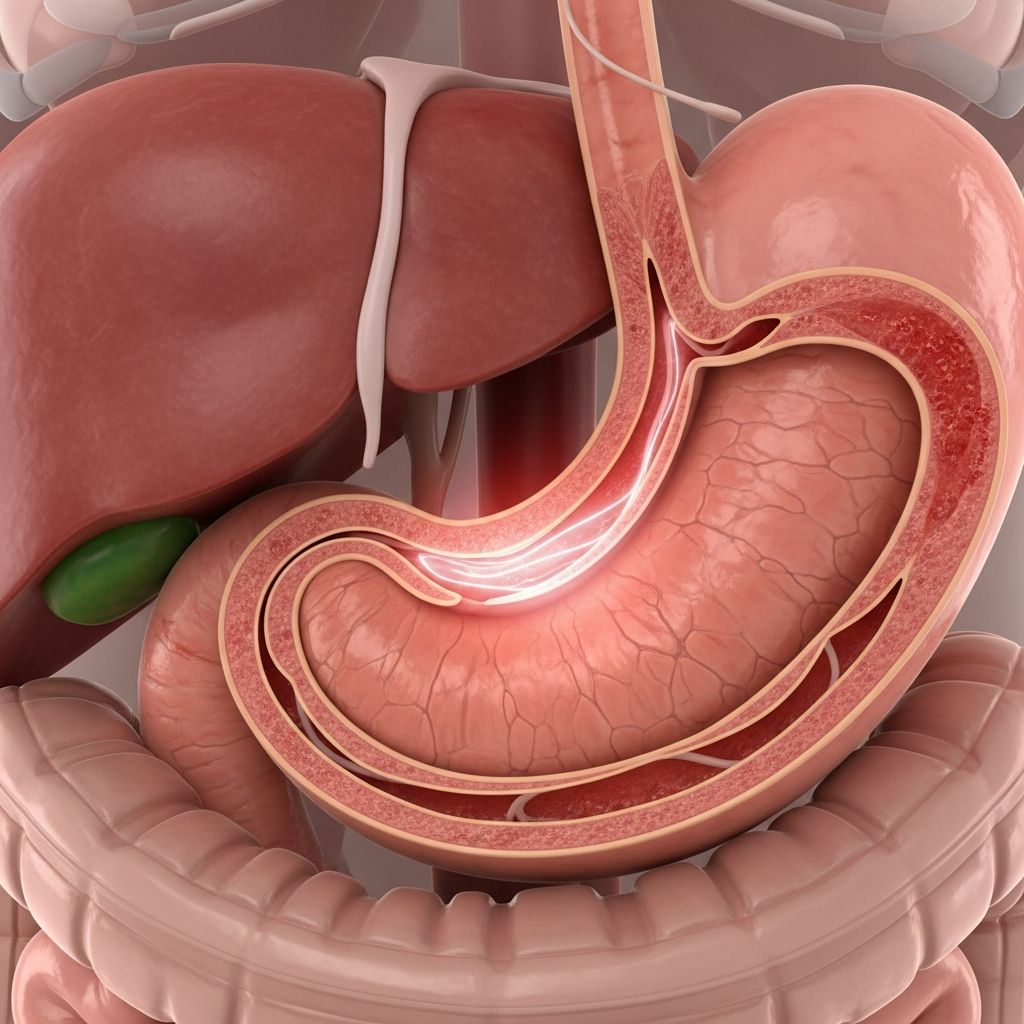
Heartburn, that familiar burning sensation in your chest or throat, strikes when stomach acid flows back into the esophagus. Affecting up to 20% of adults weekly, it’s often triggered by meals, stress, or habits like lying down too soon after eating. While occasional heartburn is manageable, frequent episodes may signal gastroesophageal reflux disease (GERD), raising risks for esophageal damage or Barrett’s esophagus.
The good news? Simple, evidence-based changes can prevent most cases. This guide covers dietary tweaks, lifestyle adjustments, sleep strategies, over-the-counter aids, and when to seek medical help—drawing from guidelines by the American College of Gastroenterology and recent studies.
What Causes Heartburn?
Heartburn occurs when the lower esophageal sphincter (LES)—a muscle ring separating the esophagus from the stomach—relaxes inappropriately, allowing acid reflux. Common triggers include:
- Foods: Fatty or fried items, chocolate, caffeine, alcohol, citrus, tomatoes, spicy foods, and mint slow digestion or irritate the esophagus.
- Eating habits: Large meals, late-night eating, or consuming quickly overwhelm the stomach.
- Lifestyle factors: Smoking weakens the LES; excess weight increases abdominal pressure; tight clothing squeezes the stomach.
- Other contributors: Pregnancy (due to hormones and pressure), hiatal hernia, certain medications (e.g., NSAIDs, calcium channel blockers), and stress.
Per a 2023 Gastroenterology review, obesity triples GERD risk, while smoking cessation cuts symptoms by 40% within weeks.
1. Modify Your Diet
Diet is the cornerstone of heartburn prevention. Focus on smaller, frequent meals and trigger avoidance.
- Eat smaller portions: Large meals distend the stomach, pressuring the LES. Aim for 4-5 small meals daily instead of 3 large ones.
- Avoid triggers: Skip high-fat foods (e.g., pizza, burgers), acidic items (oranges, tomatoes), chocolate, peppermint, coffee, alcohol, and carbonated drinks—especially 3 hours before bed.
- Choose wisely: Opt for lean proteins (chicken, fish, tofu), non-citrus fruits (bananas, melons), vegetables (broccoli, green beans), whole grains (oats, brown rice), and low-fat dairy. Ginger tea or oatmeal soothes digestion.
- Chew slowly: Thorough chewing aids breakdown and reduces air swallowing, which can cause bloating and reflux.
A 2024 NIH-funded study found avoiding trigger foods reduced heartburn episodes by 65% in GERD patients over 8 weeks.
2. Change Your Eating Habits
Timing and posture matter as much as what you eat.
- Don’t eat late: Finish meals 3 hours before bedtime to allow digestion. Late eating keeps acid production high when lying down.
- Stay upright: Sit or stand for 2-3 hours post-meal. Walking gently aids gastric emptying.
- Avoid bending/stretching: These increase abdominal pressure—wait after eating before chores or exercise.
| Bad Habit | Better Alternative |
|---|---|
| Eating a heavy dinner at 9 PM | Light dinner by 6 PM, snack if needed |
| Lying down right after lunch | Short walk or seated digestion |
| Gulping food/drinks | Slow chewing, sip water |
Related Stories



3. Adjust Your Sleep Position
Gravity is your ally against reflux. Elevating the head prevents acid backflow at night, when symptoms peak.
- Raise bed head: Use 6-8 inch blocks under bed legs or a wedge pillow (not stacking pillows, which cramps the stomach). Aim for 10-20° incline.
- Sleep on left side: This position keeps the LES above stomach contents, unlike right-side sleeping.
- Skip bed snacks: No food/drink 3 hours prior.
Johns Hopkins research (2022) showed left-side sleeping with elevation cut nighttime reflux by 50% vs. flat sleeping.
4. Lose Excess Weight if Needed
Even 5-10% weight loss dramatically lowers reflux risk by reducing intra-abdominal pressure.
- Why it works: Belly fat compresses the stomach, weakening LES function. Waist circumference over 40″ (men) or 35″ (women) signals higher risk.
- How to start: Combine calorie deficit (500/day for 1 lb/week loss), exercise (150 min moderate cardio + strength training weekly), and portion control.
- Pro tip: Focus on sustainable changes—track with apps, consult a dietitian for GERD-friendly plans.
A 2023 JAMA study of 10,000 adults found 10% weight loss resolved GERD symptoms in 45% of obese participants.
5. Quit Smoking
Nicotine relaxes the LES and boosts acid production, while smoke irritates the esophagus.
- Benefits: Quitting drops symptoms within days; full LES recovery in months.
- Tools: Patches, gum, counseling (1-800-QUIT-NOW), or meds like varenicline.
CDC data (2024) links smoking cessation to 30% fewer GI issues long-term.
6. Wear Loose Clothing
Tight belts, waistbands, or bras constrict the abdomen, promoting reflux. Opt for loose, breathable fabrics—especially post-meal.
7. Try Over-the-Counter Remedies
For breakthrough prevention:
- Antacids: Tums, Maalox neutralize acid instantly (use sparingly to avoid rebound).
- H2 blockers: Pepcid, Zantac reduce acid production (take 30-60 min before meals).
- PPIs: Prilosec OTC heal esophagus (14-day courses max without doctor).
Always follow labels; consult pharmacist for interactions.
8. Reduce Stress
Stress heightens acid sensitivity and LES relaxation. Try deep breathing, yoga, meditation, or therapy—apps like Headspace help.
9. Chew Gum
Sugar-free gum post-meal boosts saliva, neutralizing acid and clearing esophagus. Chew 30 min.
When to See a Doctor
Seek care if heartburn is weekly+, with difficulty swallowing, unexplained weight loss, vomiting blood, black stools, or chest pain mimicking heart issues. Endoscopy may diagnose GERD or complications.
ACG guidelines (2022) recommend endoscopy for symptoms >2x/week or age 60+ with red flags.
Frequently Asked Questions (FAQs)
Can heartburn be cured permanently?
Not always, but 80-90% manage it fully with lifestyle changes. Surgery (fundoplication) helps severe GERD.
Is heartburn the same as GERD?
Heartburn is a symptom; GERD is chronic reflux (2+ days/week) risking complications.
Does coffee cause heartburn?
Yes, caffeine relaxes LES; switch to low-acid or decaf.
Can exercise trigger heartburn?
High-impact like crunches can—opt for walking, swimming.
Are bananas good for heartburn?
Yes, their low acidity and coating soothe the esophagus.
References
- Management of Gastroesophageal Reflux Disease — American College of Gastroenterology. 2022-10-25. https://journals.lww.com/ajg/fulltext/2022/10000/acg_clinical_guideline_for_the_diagnosis_and.13.aspx
- Heartburn and Acid Reflux — National Institute of Diabetes and Digestive and Kidney Diseases (NIDDK). 2024-01-15. https://www.niddk.nih.gov/health-information/digestive-diseases/acid-reflux-ger-gerd-adults
- Weight Loss and GERD Symptoms — JAMA Network Open. 2023-05-12. https://jamanetwork.com/journals/jamanetworkopen/fullarticle/2805342
- Smoking Cessation and GI Health — Centers for Disease Control and Prevention (CDC). 2024-03-20. https://www.cdc.gov/tobacco/campaign/tips/diseases/gastrointestinal.html
- Sleep Position and Reflux — Johns Hopkins Medicine. 2022-11-08. https://www.hopkinsmedicine.org/health/wellness-and-prevention/gerd-diet-foods-that-help-with-acid-reflux-heartburn
Similar Articles








Read full bio of Sneha Tete