How to Prevent Infections: Essential Strategies for Health
Master proven infection prevention techniques to protect your health and wellbeing effectively.
Infections remain a significant health concern in both healthcare settings and community environments. Whether caused by bacteria, viruses, fungi, or parasites, infections can range from minor inconveniences to life-threatening conditions. Understanding how to prevent infections is crucial for maintaining personal health and protecting vulnerable populations. This comprehensive guide explores evidence-based strategies that can substantially reduce your risk of acquiring infectious diseases.
Understanding How Infections Spread
Before implementing prevention strategies, it’s important to understand the various transmission routes through which infections spread. Pathogens can travel through multiple pathways, each requiring different preventive approaches. Common transmission routes include direct contact with infected individuals, airborne particles, contaminated surfaces, and bodily fluids. Recognizing these transmission methods helps you take targeted actions to interrupt disease spread and protect yourself and others.
Hand Hygiene: The Foundation of Infection Prevention
Hand hygiene stands as one of the most effective and evidence-based infection prevention strategies available. For over 160 years, scientific evidence has demonstrated that proper hand washing dramatically reduces the transmission of pathogens. The seminal work of Hungarian obstetrician Ignaz Semmelweis established that simple hand washing could significantly decrease infection rates, a principle that remains valid today.
Regular hand washing with plain soap and water prevents the majority of illnesses responsible for the largest number of childhood deaths globally. Studies from resource-poor areas demonstrate remarkable results: a household hand-washing campaign in Pakistan showed a 50 percent lower incidence of pneumonia in children younger than 5 years, while children under 15 years in hand-washing households had a 53 percent lower incidence of diarrhea and a 34 percent lower incidence of impetigo.
For optimal hand hygiene, follow these practices:
- Wash hands frequently throughout the day, especially before eating and after using the restroom
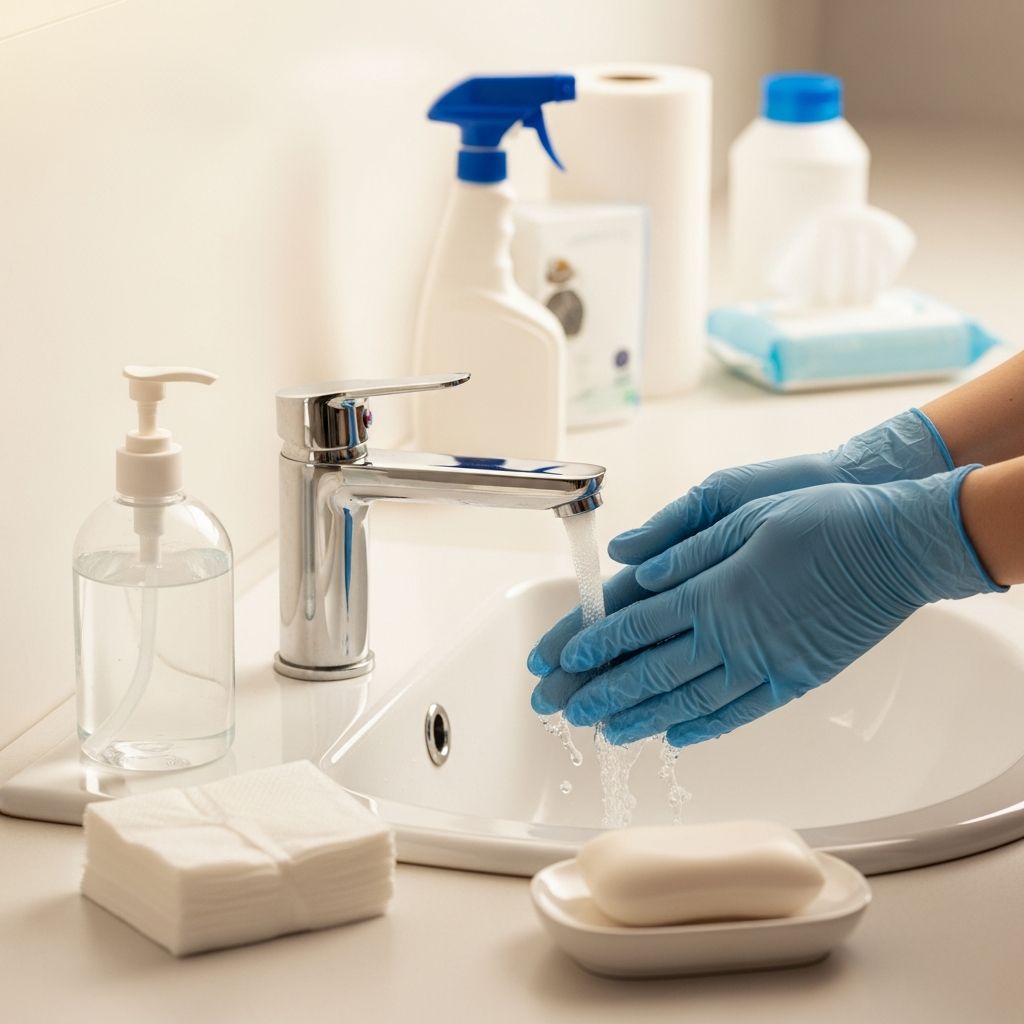
- Use warm, running water with soap and scrub for at least 20 seconds
- Pay special attention to areas between fingers, under nails, and wrists
- Dry hands with clean towels or air dryers
- Use alcohol-based hand rubs when soap and water are unavailable
- Wash hands before preparing food and after handling raw meats
- Clean hands after touching public surfaces or animals
Personal Protective Equipment and Respiratory Hygiene
Personal protective equipment (PPE) serves as a critical barrier against pathogen transmission. Proper use of gloves, masks, and gowns protects both patients and healthcare workers from exposure to microorganisms. In community settings, respiratory hygiene becomes particularly important during disease outbreaks.
When illness is present, covering your nose and mouth during coughs and sneezes prevents respiratory droplets from spreading to others. The respiratory route represents a significant transmission pathway for numerous pathogens, including influenza, COVID-19, and tuberculosis. Using tissues or the crook of your elbow rather than your hands helps prevent contamination of surfaces and subsequent transmission to others.
Vaccination: Proactive Immune Protection
Vaccination represents one of the most significant public health achievements in history. Immunizations strengthen your immune system’s ability to recognize and fight specific pathogens before exposure occurs. By maintaining current vaccinations, you not only protect yourself but also contribute to community immunity, which safeguards vulnerable individuals who cannot be vaccinated.
Related Stories



Recommended vaccinations vary by age, health status, and travel plans. Adults should maintain current immunizations against influenza annually, tetanus and pertussis, measles, mumps, rubella, and other age-appropriate vaccines. Healthcare workers and those with certain medical conditions may require additional vaccinations. Consulting with your healthcare provider ensures you receive appropriate immunizations based on your individual risk factors.
Environmental Infection Control Measures
The environment surrounding us plays a substantial role in infection transmission. Contaminated surfaces can harbor pathogens that survive for hours or even days, depending on the microorganism and surface type. Regular cleaning and disinfection of high-touch surfaces significantly reduces transmission risk.
Key environmental control practices include:
- Regular cleaning of frequently touched surfaces like doorknobs, light switches, and countertops
- Using appropriate disinfectants effective against the targeted pathogens
- Maintaining proper ventilation in indoor spaces
- Proper food storage and preparation practices to prevent foodborne infections
- Regular laundering of clothing, bedding, and towels
- Proper disposal of waste materials and bodily fluids
Aseptic Techniques in Daily Life
Aseptic technique refers to practices that minimize contamination and reduce microbial transmission. While commonly associated with healthcare settings, aseptic principles apply to daily life activities. Avoiding touching your face with unwashed hands, not sharing personal items like toothbrushes or eating utensils, and maintaining clean wound care all represent aseptic practices that reduce infection risk.
When minor wounds occur, proper care includes washing the area with soap and water, applying antibiotic ointment if appropriate, and covering with clean bandages. These simple steps prevent bacterial colonization and reduce infection risk significantly.
Food Safety and Foodborne Infection Prevention
Foodborne infections affect millions of people annually and can result in severe illness or complications. Proper food handling practices prevent contamination from bacteria, viruses, and parasites. Key food safety measures include:
- Washing hands before food preparation and handling
- Separating raw meats from other foods to prevent cross-contamination
- Cooking foods to appropriate internal temperatures
- Refrigerating perishable foods promptly
- Avoiding consumption of expired products
- Washing fresh produce under running water
- Using clean cutting boards and utensils
Travel-Related Infection Prevention
Travel to unfamiliar environments increases exposure to pathogens not common in your home region. Before traveling, consult with travel medicine specialists about recommended vaccinations and preventive medications. During travel, maintain vigilant hygiene practices, be cautious with water and food sources in areas with questionable sanitation, and use insect repellents in regions where vector-borne diseases are prevalent.
Healthcare-Associated Infection Prevention
Healthcare-associated infections (HAIs) represent a significant health burden, but evidence-based infection control programs substantially reduce their occurrence. Hospitals implementing organized surveillance, trained infection control personnel, and standardized protocols have demonstrated 32 percent reductions in infection rates compared to increases of 18 percent in facilities without these measures.
Advanced technology now plays a role in HAI prevention. Automated outbreak detection tools utilizing algorithm-driven analysis of laboratory data have demonstrated significant effectiveness. In clinical trials involving 82 hospitals across 16 states, hospitals implementing automated outbreak detection experienced a 64 percent reduction in outbreak size during the pre-pandemic period. This technology reviews clinical culture results and triggers alerts when unusual increases suggest potential pathogen transmission, enabling rapid response protocols.
Staffing and Workload Considerations
Research demonstrates that staffing levels and workload directly influence infection transmission rates. During periods of understaffing and overcrowding, hand-washing compliance decreased to only 25 percent before device contact, compared to 70 percent during adequately staffed periods. Hospitalization during understaffed periods was associated with a fourfold increased risk of acquiring HAIs. This evidence highlights how institutional factors beyond individual behavior influence infection risk.
Isolation Strategies During Active Illness
Isolation represents a crucial containment strategy when individuals have active infectious diseases. Those with confirmed or suspected infections should remain separated from healthy individuals to prevent transmission. This principle applies whether in home, workplace, or healthcare settings. Effective isolation includes staying home when ill, using separate bathrooms when possible, maintaining distance from vulnerable individuals, and following guidance from healthcare providers regarding duration of isolation.
Building a Culture of Infection Prevention
The World Health Organization has recognized “clean care is safer care” as a fundamental principle for infection prevention. This approach extends beyond individual actions to encompass institutional commitments and community engagement. Healthcare leaders, facility administrators, and public health officials must prioritize infection prevention through resource allocation, staff education, and continuous surveillance.
Individual responsibility complements institutional efforts. When healthcare workers, facility staff, and community members consistently apply evidence-based practices, infection rates decline substantially. This collective commitment creates safer environments for patients, healthcare workers, and the broader community.
Monitoring and Surveillance
Effective infection prevention requires ongoing monitoring and surveillance to identify emerging threats early. Healthcare facilities implement systematic tracking of infection rates, pathogen resistance patterns, and outbreak indicators. Advanced surveillance systems now incorporate automated detection methods that analyze laboratory data to identify unusual patterns suggesting potential outbreaks, enabling rapid response before widespread transmission occurs.
Frequently Asked Questions
Q: How often should I wash my hands to prevent infections?
A: Wash your hands frequently throughout the day, particularly before eating, after using the restroom, after touching public surfaces, before food preparation, and after caring for ill individuals or animals. During disease outbreaks, increase frequency further.
Q: Are hand sanitizers as effective as hand washing?
A: Alcohol-based hand sanitizers effectively reduce bacterial counts when hands are not visibly soiled. However, they work best as supplements to hand washing rather than replacements. When soap and water are available, hand washing remains preferable for visible contamination.
Q: Which vaccines should adults maintain?
A: Adults should maintain current vaccinations against influenza (annually), tetanus and pertussis, measles, mumps, and rubella. Additional vaccines may be recommended based on age, health conditions, occupation, and travel plans. Consult your healthcare provider for personalized recommendations.
Q: How long can pathogens survive on surfaces?
A: Survival time varies by pathogen and surface type, ranging from minutes to several days. Most common pathogens survive for hours on frequently touched surfaces, making regular cleaning and disinfection important preventive measures.
Q: What should I do if I develop symptoms of infection?
A: Contact your healthcare provider promptly, especially if symptoms are severe or persist. While symptomatic, practice isolation by staying home, using separate bathrooms when possible, and following healthcare provider guidance regarding duration and precautions.
Q: Are there specific populations at higher infection risk?
A: Yes, very young children, elderly individuals, pregnant women, and those with compromised immune systems or chronic medical conditions face elevated infection risk. These populations require heightened preventive measures and may benefit from additional vaccinations or protective strategies.
Q: How do I prevent foodborne infections?
A: Practice proper hand hygiene, separate raw meats from other foods, cook foods to appropriate temperatures, refrigerate perishables promptly, and wash fresh produce. Avoid consuming expired products or foods from questionable sources.
Q: What role does ventilation play in infection prevention?
A: Proper ventilation reduces airborne pathogen concentrations, particularly important for pathogens that remain suspended in air for extended periods. Ensuring adequate air exchange rates in indoor spaces, especially during disease outbreaks, provides important protection against respiratory infections.
References
- Preventing Health Care–Associated Infections — National Center for Biotechnology Information (NCBI), National Institutes of Health (NIH). 2024. https://www.ncbi.nlm.nih.gov/books/NBK2683/
- Clinical trial by Harvard Pilgrim Health Care Institute, HCA Healthcare, UCI Health and CDC identifies strategy to rapidly detect and respond to hospital outbreaks using algorithm-driven technology — HCA Healthcare Today. 2024-04-23. https://hcahealthcaretoday.com/2024/04/23/clinical-trial-identifies-strategy-rapidly-detect-respond-hospital-outbreaks/
- Harvard Professor Issues FAQ on Coronavirus — Partners In Health. https://www.pih.org/article/harvard-professor-issues-faq-coronavirus
Similar Articles








Read full bio of Sneha Tete