How To Prevent Kidney Failure: 10 Essential Steps
Expert strategies to protect your kidneys and avoid chronic kidney disease progression to failure.
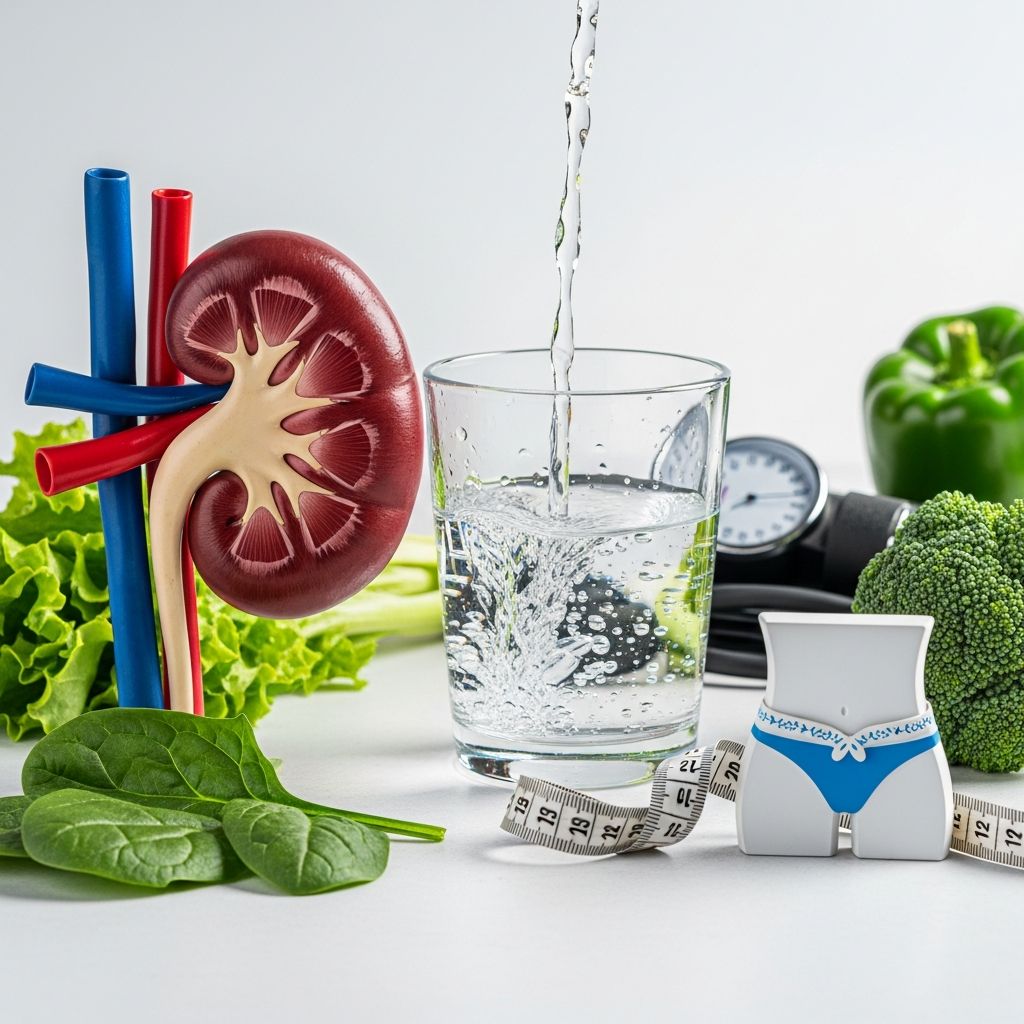
Your kidneys are vital organs that filter waste from your blood, regulate blood pressure, and maintain fluid balance. Kidney failure, also known as end-stage renal disease (ESRD), occurs when kidneys lose nearly all function, requiring dialysis or transplant. The good news? Many cases are preventable through lifestyle changes and medical management. Chronic kidney disease (CKD) affects about 37 million U.S. adults, but early intervention can halt progression.
What Causes Kidney Failure?
Kidney failure doesn’t happen overnight. It often stems from long-term damage. The leading causes include:
- Diabetes: High blood sugar damages kidney filters (glomeruli) over time. Diabetic nephropathy accounts for nearly 44% of new ESRD cases.
- High blood pressure: Forces excessive strain on kidney blood vessels, causing scarring. It’s responsible for 28% of ESRD cases.
- Glomerulonephritis: Inflammation of kidney filters, often from autoimmune diseases or infections.
- Polycystic kidney disease: Genetic condition causing cysts that impair function.
- Prolonged urinary tract obstructions: From kidney stones or enlarged prostate.
- Repeated kidney infections: Can lead to permanent scarring.
Other risk factors include obesity, smoking, family history, age over 60, and certain ethnic backgrounds (African American, Hispanic, Native American). Understanding these helps target prevention.
1. Control Blood Sugar if You Have Diabetes
Diabetes is the top cause of kidney failure. Tight blood sugar control protects kidneys profoundly. The National Kidney Foundation recommends:
- A1C below 7% for most adults.
- Monitor blood glucose daily.
- Take prescribed medications like metformin or insulin consistently.
- Work with an endocrinologist for personalized targets.
Studies show every 1% A1C reduction lowers kidney disease risk by 20-30%. Annual urine albumin tests detect early damage.
2. Manage Your Blood Pressure
Ideal blood pressure for kidney health is under 120/80 mmHg. Hypertension damages delicate kidney vessels. Key strategies:
| Action | Target/Benefit |
|---|---|
| ACE inhibitors or ARBs | Lower BP and protect kidneys directly |
| DASH diet | Reduces systolic BP by 5-11 mmHg |
| Limit sodium to 2,300 mg/day | Prevents fluid retention |
| Exercise 150 min/week | Lowers BP naturally |
Even pre-hypertension (120-139/80-89) warrants lifestyle changes. Regular home monitoring tracks progress.
3. Maintain a Healthy Weight
Obesity triples CKD risk by promoting diabetes and hypertension. BMI 25-30 increases risk 1.8-fold; over 30, 2.5-fold. Sustainable weight loss (5-10% body weight) improves kidney function markers like GFR.
- Combine calorie control with exercise.
- Aim for 1-2 lbs/week loss.
- Focus on whole foods over processed.
4. Exercise Regularly
Physical activity lowers blood pressure, improves insulin sensitivity, and reduces inflammation—all kidney protectors. Guidelines:
- 150 minutes moderate aerobic (brisk walking, cycling) per week.
- Strength training 2 days/week.
- Start slow if sedentary; consult doctor.
Exercise also combats proteinuria (protein in urine), a CKD marker. One study found regular walkers had 30% lower kidney decline risk.
5. Eat a Kidney-Friendly Diet
Diet profoundly impacts kidney health. Emphasize:
- Fruits/vegetables: Antioxidants fight inflammation.
- Whole grains: Stabilize blood sugar.
- Lean proteins: Limit to 0.8g/kg body weight.
- Healthy fats: Avocados, nuts, olive oil.
Related Stories



Restrict: sodium (<2,300mg), phosphorus (dairy/cola), potassium (bananas/oranges if advanced CKD), processed meats. Plant-based diets show 15% lower CKD progression.
6. Stay Hydrated
Adequate water (91-125 oz/day for women/men) prevents kidney stones and supports filtration. Dehydration concentrates toxins, stressing kidneys. Urine should be pale yellow. Those with heart failure or advanced CKD may need fluid limits—ask your doctor.
7. Avoid Smoking and Limit Alcohol
Smoking constricts kidney blood vessels, accelerating CKD 50% faster. Quitting at any stage improves outcomes. Alcohol: ≤1 drink/day women, ≤2 men. Excess harms blood pressure and liver, indirectly affecting kidneys.
8. Limit OTC Painkillers and Other Nephrotoxic Drugs
NSAIDs (ibuprofen, naproxen) reduce kidney blood flow with frequent use. Acetaminophen safer but avoid excess. Other risks: certain antibiotics, lithium. Always check with pharmacist; list all meds at doctor visits.
9. Get Screened Regularly
Early detection is crucial. At-risk individuals (diabetes, hypertension, family history) need:
- Annual blood creatinine/eGFR.
- Urine albumin-creatinine ratio (ACR).
Normal eGFR >90 mL/min; ACR <30 mg/g. Simple blood/urine tests can catch issues years early.
10. Manage Other Health Conditions
Conditions like high cholesterol, anemia, or heart disease compound kidney risks. Statins protect vessels; treat infections promptly. Comprehensive care addresses the whole body.
Kidney Failure Prevention in Advanced CKD
If you have CKD stages 3-5, intensify efforts:
- Strict phosphate/potassium control.
- Dialysis preparation if eGFR <15.
- Transplant evaluation early.
Even late-stage, slowing progression extends quality life years.
Frequently Asked Questions (FAQs)
Can kidney failure be reversed?
Acute kidney injury can often be reversed with prompt treatment, but chronic kidney failure is not reversible. Prevention and slowing progression are key.
How much water prevents kidney problems?
About 91 oz (2.7L) for women, 125 oz (3.7L) for men daily, adjusted for activity/climate. Consult doctor for personalized needs.
Does stress affect kidneys?
Chronic stress raises blood pressure and cortisol, indirectly harming kidneys. Practice mindfulness, yoga, or therapy.
Are supplements safe for kidneys?
Many aren’t—high-dose vitamin C causes stones; herbal supplements may contain toxins. Get doctor approval first.
When should I see a nephrologist?
If eGFR <60, ACR >30, persistent protein/blood in urine, or unexplained swelling/fatigue.
References
- Chronic Kidney Disease in the United States, 2023 — Centers for Disease Control and Prevention (CDC). 2023-03-01. https://www.cdc.gov/kidneydisease/publications-resources/ckd-national-facts.html
- High Blood Pressure & Kidney Disease — National Kidney Foundation. 2024-05-15. https://www.kidney.org/atoz/content/hbp
- Diabetes and Kidney Disease: What to Eat? — National Institute of Diabetes and Digestive and Kidney Diseases (NIDDK). 2022-11-10. https://www.niddk.nih.gov/health-information/diabetes/overview/preventing-problems/diabetic-kidney-disease
- Physical Activity and Kidney Function — National Center for Biotechnology Information (NCBI), PubMed. 2023-07-20. https://pubmed.ncbi.nlm.nih.gov/37486234/
- Smoking and Chronic Kidney Disease — American Journal of Kidney Diseases (AJKD). 2024-02-12. https://doi.org/10.1053/j.ajkd.2023.11.005
- NSAIDs and Kidney Injury — U.S. Food and Drug Administration (FDA). 2023-09-28. https://www.fda.gov/drugs/drug-safety-and-availability/fda-warns-about-serious-kidney-problems-patients-taking-prescription-pain-medicines-long-periods-time
Similar Articles








Read full bio of medha deb