How To Prevent Razor Burn: Expert Tips For Smooth Skin
Expert tips to avoid painful razor burn and bumps for smoother, irritation-free shaves every time.
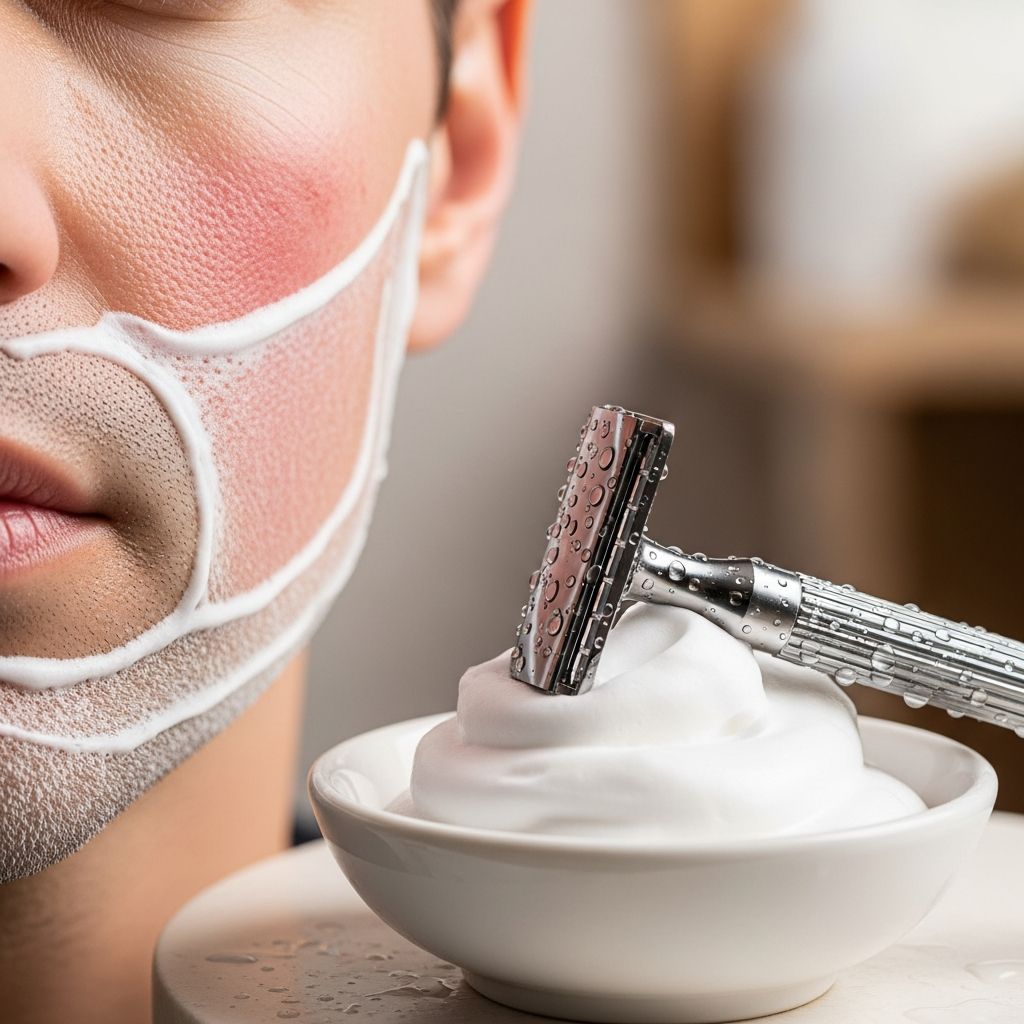
Razor burn is a common skin irritation that appears as redness, itching, or a rash shortly after shaving, often lasting from hours to a few days. It results from factors like dull blades, improper technique, or dry skin, and can be accompanied by razor bumps known as pseudofolliculitis barbae. Preventing it involves proper preparation, technique, and aftercare to minimize friction and inflammation.
What Is Razor Burn?
Razor burn manifests as a mild rash 2–4 minutes after shaving when hair grows through sealed skin, typically disappearing in hours to days depending on severity. In worse cases, it leads to raised red welts or infected pustules around follicles. Common in areas with coarse hair like bikini lines, underarms, chest, or beards, it’s exacerbated by blunt blades, dry shaving, excessive pressure, or shaving against the grain. Sensitive skin increases risk, even with new razors.
Common Causes of Razor Burn
- Dull or old razors: Blunt blades tug hair instead of cutting cleanly, causing irritation and micro-tears.
- Dry shaving: Shaving without lubrication leads to friction on unprepared skin.
- Shaving against the grain: Increases pull on follicles, raising bump risk.
- Too much pressure or multiple passes: Overworking skin heightens inflammation.
- Harsh products or sensitive skin: Scented aftershaves or frequent shaving without recovery irritate.
- Shaving too closely or frequently: Traps hairs, leading to ingrowns and bumps.
How to Prevent Razor Burn: Preparation Steps
Proper prep softens hair and skin, reducing friction. Start with warm water to open follicles.
- Shower or apply a warm, wet cloth for 2–3 minutes before shaving to hydrate skin and lift hairs.
- Use pre-shave oil (coconut, tea tree, peppermint, or lavender) for lubrication and soothing anti-inflammatory effects.
- Apply a moisturizing shaving gel or cream with aloe vera to create a protective barrier. Avoid soap alone, as it lacks lubrication.
Best Shaving Techniques to Avoid Irritation
Technique is crucial for minimizing trauma. Use light strokes and respect hair growth direction.
| Do | Don’t |
|---|---|
| Shave with the grain first for safety, against only if needed. | Shave against the grain routinely—it causes ingrowns. |
| Make short, light strokes; rinse blade every few passes. | Apply heavy pressure or go over areas multiple times. |
| Stretch skin gently for smooth glide; exfoliate beforehand with a soft brush or mitt. | Rush or shave dry/unprepped skin. |
Leave time to shave carefully, skipping if little growth is visible to avoid unnecessary irritation.
Choosing the Right Razor and Tools
Tool quality matters. Opt for sharp, single- or double-bladed razors over multi-blade for less close cuts that prevent bumps.
- Replace blades every 5–7 shaves or when dull to avoid tugging.
- Consider electric razors for sensitive skin—they cause less direct friction.
- Subscriptions ensure fresh blades; avoid stretching skin taut during use.
Post-Shave Care to Soothe and Protect
Aftercare restores the skin barrier and prevents infection.
- Cool rinse or compress: Reduces redness and itching immediately.
- Moisturize with aloe vera, chamomile, or fragrance-free lotion to hydrate and calm.
- Avoid irritants: No colognes, perfumes, or picking at bumps.
- Gently exfoliate 2x/week with salicylic acid, glycolic acid, or soft cloth to prevent ingrowns without harsh scrubs.
Related Stories



Treating Razor Burn and Bumps If They Occur
Most resolve in hours to days, but speed healing while preventing spread.
- Apply cool compress and aloe vera moisturizer for relief.
- Use anti-inflammatories like witch hazel, tea tree oil, or salicylic acid pads.
- Stop shaving the area until healed to allow recovery.
- Avoid squeezing bumps to prevent scarring or infection.
Tips for Sensitive Skin and Curly/Coarse Hair
Those with sensitive or curly hair are prone to pseudofolliculitis barbae. Shave every other day, use electric options, and prioritize lubrication. Exfoliate pre- and post-shave to free hairs.
Shaving Frequency and Long-Term Habits
Don’t shave daily if irritation persists—every 2–3 days gives skin recovery time. Build habits like consistent moisturizing and blade checks for lasting smooth results.
Frequently Asked Questions (FAQs)
How long does razor burn last?
Razor burn typically fades in a few hours to days; severe cases with bumps may take longer. Speed healing with cool compresses and aloe.
Does a new razor cause razor burn?
Yes, if pressing too hard—sharp blades need less pressure. Use light strokes.
Can electric razors prevent razor burn?
Yes, they reduce direct skin contact and friction, ideal for sensitive areas.
What’s the difference between razor burn and razor bumps?
Burn is general irritation/redness; bumps are inflamed follicles from ingrown hairs, often called pseudofolliculitis barbae.
Is shaving cream necessary?
Essential for lubrication; gels with aloe protect better than water or soap.
Implementing these strategies ensures irritation-free shaves. Consistency in prep, technique, and care transforms your routine for healthier skin.
References
- Razor Burn and Bumps Explanation — YouTube (Health Channel). 2023. https://www.youtube.com/watch?v=yOtGRN47Hj0
- What Can I Do to Prevent Razor Burn? (for Teens) — KidsHealth (Nemours Foundation). 2024-01-13. https://kidshealth.org/en/teens/razor-burn.html
- Why you keep getting razor bumps – and 5 best ways to treat them — Women’s Health Magazine. 2024. https://www.womenshealthmag.com/uk/beauty/body/a63896159/razor-bumps/
Similar Articles








Read full bio of Sneha Tete