Prevent Spider Veins: 9 Proven Strategies For Healthy Legs
Expert tips to reduce your risk of spider veins through lifestyle changes, exercise, and preventive measures for healthier legs.
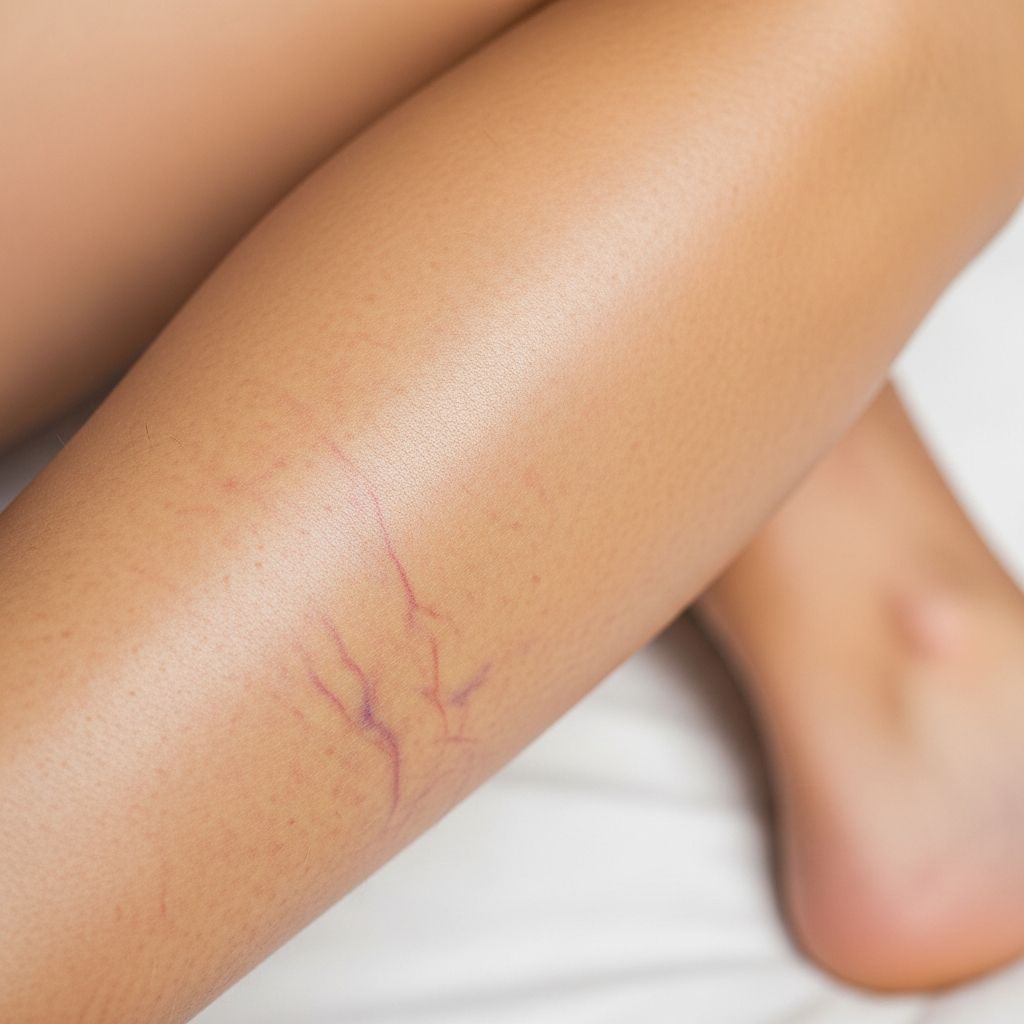
Spider veins, those small, web-like clusters of red, blue, or purple veins visible just under the skin’s surface, affect millions, particularly women. While often harmless cosmetically, they can signal underlying circulation issues. Prevention focuses on lifestyle habits that promote healthy blood flow and reduce vein pressure.
This comprehensive guide covers what spider veins are, their causes, risk factors, and actionable prevention strategies drawn from medical experts. Implementing these tips can minimize new formations and manage existing ones effectively.
What Are Spider Veins?
Spider veins, or telangiectasias, are tiny dilated blood vessels near the skin’s surface, typically 0.1 to 1 mm in diameter. They appear as thin lines or branches on the legs, face, or other areas. Unlike varicose veins, which are larger and bulging, spider veins are flatter and rarely cause pain, though they may itch or burn occasionally.
Medically, they result from weakened vein valves allowing blood to pool, leading to visible dilation. While primarily aesthetic, they can accompany chronic venous insufficiency (CVI), warranting attention.
Causes of Spider Veins
Several factors contribute to spider vein development:
- Genetics: Family history is a primary risk, with hereditary weak vein walls or valves.
- Age and Hormones: Aging weakens veins; hormonal shifts during pregnancy, menopause, or birth control use increase susceptibility, especially in women.
- Prolonged Standing/Sitting: Jobs requiring immobility pressure leg veins, impeding circulation.
- Obesity: Excess weight adds strain on veins.
- Sun Exposure and Heat: UV damage and heat dilate veins.
- Injury or Trauma: Leg injuries can damage valves.
Understanding these helps target prevention.
Risk Factors for Spider Veins
Key risks include:
| Risk Factor | Description | Prevention Tip |
|---|---|---|
| Family History | Genetic predisposition | Early lifestyle interventions |
| Female Gender | Hormonal influences | Hormone management with doctor |
| Age > 50 | Vein wall weakening | Consistent exercise |
| Pregnancy | Increased blood volume | Compression during pregnancy |
| Obesity | Added vein pressure | Weight control |
| Sedentary Lifestyle | Poor circulation | Regular movement breaks |
Women face higher risks due to pregnancy and hormones.
9 Ways to Prevent Spider Veins
No method guarantees prevention, especially genetically, but these evidence-based strategies reduce risk significantly.
1. Maintain a Healthy Weight
Excess weight stresses leg veins by increasing pressure, hindering blood return to the heart. Achieving a healthy BMI via balanced diet and exercise eases this strain, benefiting overall vascular health. Studies link obesity to higher venous issues; weight loss alleviates symptoms. Aim for gradual loss through whole foods and portion control.
2. Exercise Regularly
Physical activity boosts leg muscle strength, aiding the “muscle pump” that propels blood upward. Low-impact options like walking (30 minutes daily), swimming, cycling, or calf raises prevent pooling. Leg-focused exercises are ideal; avoid high-impact if symptomatic. Consistency is key for circulation.
3. Wear Compression Stockings
These gradient-pressure garments (tightest at ankles, looser upward) improve flow, reducing pooling. Ideal for standing/sitting jobs or post-treatment. Over-the-counter mild versions suffice for prevention; consult specialists for medical-grade. Evidence shows they slow progression. Wear during long flights or shifts.
4. Elevate Your Legs
Raise legs above heart level 15-30 minutes, 3-4 times daily, especially after standing. Gravity aids drainage, easing pressure. Prop feet on pillows while reclining. Simple yet effective for daily prevention.
Related Stories



5. Stay Active Throughout the Day
Avoid prolonged sitting/standing; take 30-minute movement breaks. Walk, stretch, or flex ankles to maintain flow. Desk workers and teachers benefit most. Use standing desks or timers for reminders.
6. Stay Hydrated
Adequate water intake (8-10 glasses daily) supports vein wall strength and blood viscosity, easing circulation. Dehydration thickens blood, straining veins. Hot climates amplify needs.
7. Protect Skin from Sun
UV rays weaken vessels; use SPF 30+ sunscreen, protective clothing on legs/face. Moisturize to maintain skin elasticity.
8. Avoid Tight Clothing
Restrictive garments around waist/legs impede flow. Opt for loose fits; avoid crossing legs long-term.
9. Quit Smoking
Tobacco damages vessels, worsening circulation. Quitting improves vein health.
Lifestyle Changes for Vein Health
Beyond specifics, adopt a holistic approach:
- Balanced diet rich in flavonoids (berries, citrus) for vein strength.
- Limit salt to reduce swelling.
- Manage hormones/pregnancy risks with medical advice.
- Monitor for CVI signs like swelling/pain; seek ultrasound if needed.
These habits compound benefits, potentially halting progression.
When to See a Doctor
Consult if veins cause pain, swelling, ulcers, or skin changes—possible CVI indicators. Early intervention prevents complications. Treatments like sclerotherapy (injecting irritants to collapse veins) offer 50-70% improvement. Specialists assess via ultrasound.
Treatments for Existing Spider Veins
For cosmetics:
- Sclerotherapy: Gold standard; 50-70% success.
- Laser/IPL: Surface heat seals veins.
- Microphlebectomy: Minor removal.
Post-treatment, use compression and prevention tips.
Frequently Asked Questions (FAQs)
Can spider veins be prevented completely?
No, especially if genetic, but lifestyle measures significantly reduce risk and slow progression.
Are compression stockings comfortable for daily wear?
Mild OTC versions are; fit properly to avoid discomfort. Consult for sizing.
Does exercise worsen spider veins?
No, low-impact improves circulation; avoid heavy lifting if painful.
Are spider veins dangerous?
Usually cosmetic, but monitor for pain/swelling signaling issues.
How long until prevention shows results?
Weeks to months; consistency matters.
Do spider veins disappear on their own?
Rarely; they persist without intervention.
References
- Spider Veins on Legs: What Causes Them and Prevention — Vein Doctor. 2024. https://www.veindoctor.com/vein-doctors/spider-veins-on-legs/
- 5 Ways to Prevent Spider Veins — Ivy Cardiovascular. 2024. https://www.ivycardiovascular.com/blog/5-ways-to-prevent-spider-veins
- Spider Veins – StatPearls — NCBI Bookshelf, NIH (.gov). 2023-10-01. https://www.ncbi.nlm.nih.gov/books/NBK563218/
- Varicose and Spider Vein FAQs — UVA Health. 2024. https://www.uvahealth.com/healthy-balance/varicose-spider-vein-faqs
- Varicose Veins and Spider Veins — Office on Women’s Health (.gov). 2024. https://womenshealth.gov/a-z-topics/varicose-veins-and-spider-veins
- Spider Veins: Causes, Symptoms & Treatment — Cleveland Clinic. 2024. https://my.clevelandclinic.org/health/diseases/24567-spider-veins
Similar Articles








Read full bio of Sneha Tete