How to Prevent UTIs: 12 Doctor-Backed Tips
Discover 12 evidence-based strategies from medical experts to reduce your risk of painful urinary tract infections and maintain bladder health.
Urinary tract infections (UTIs) affect millions annually, causing painful symptoms like burning during urination, frequent urges, and lower abdominal discomfort. Women are particularly susceptible due to their shorter urethras, but men, children, and older adults can also develop them. While antibiotics treat active infections,
prevention is key
to avoiding recurrence, antibiotic resistance, and complications like kidney infections. This guide outlines 12 evidence-based strategies recommended by urologists and gynecologists to safeguard your urinary health.Recurrent UTIs—defined as two culture-proven infections in six months or three in 12 months—affect about 25-30% of women after their first episode. Risk factors include postmenopausal changes, diabetes, kidney stones, and poor hygiene. Implementing these tips can significantly lower your odds.
What Causes UTIs?
UTIs occur when bacteria, primarily Escherichia coli (E. coli) from the gastrointestinal tract, enter the urethra and multiply in the bladder. Sexual activity, holding urine, dehydration, and estrogen decline in menopause facilitate bacterial entry and growth. Unlike the sterile upper urinary tract, the distal urethra hosts normal flora, but imbalance leads to infection.
Understanding causes empowers prevention: bacteria adhere to bladder walls unless flushed out or blocked. Hydration dilutes urine, while hygiene limits bacterial migration from the anus.
1. Drink Plenty of Water
**Staying hydrated is the most effective, simplest UTI prevention strategy.** Aim for at least eight 8-ounce glasses (64 ounces) daily, unless medically restricted. Water dilutes urine, reducing bacterial concentration and preventing stagnation that allows growth. Frequent urination flushes bacteria before they adhere.
Dehydration concentrates urine, creating a breeding ground. One study showed women drinking an extra 1.5 liters daily cut UTI risk by 50%. Increase intake during hot weather, exercise, or illness.
2. Urinate Frequently—Don’t Hold It
Your body signals the need to pee for a reason: ignoring it lets bacteria proliferate.
Go when you feel the urge
, ideally every 3-4 hours. Holding urine, common during work or travel, weakens bladder muscles over time and heightens infection risk.Set reminders if you’re prone to ignoring signals. Postmenopausal women and those with prolapse face higher risks from incomplete emptying.
3. Pee After Intercourse
Sexual activity introduces bacteria near the urethra.
Urinate within 15 minutes after sex
to expel them. This ‘bladder rinse’ reduces honeymoon cystitis risk by up to 90% in studies. Urinating before sex also helps by clearing pre-existing bacteria.Men should encourage partners to do this. Use lubrication to minimize irritation, another risk factor.
4. Practice Good Hygiene
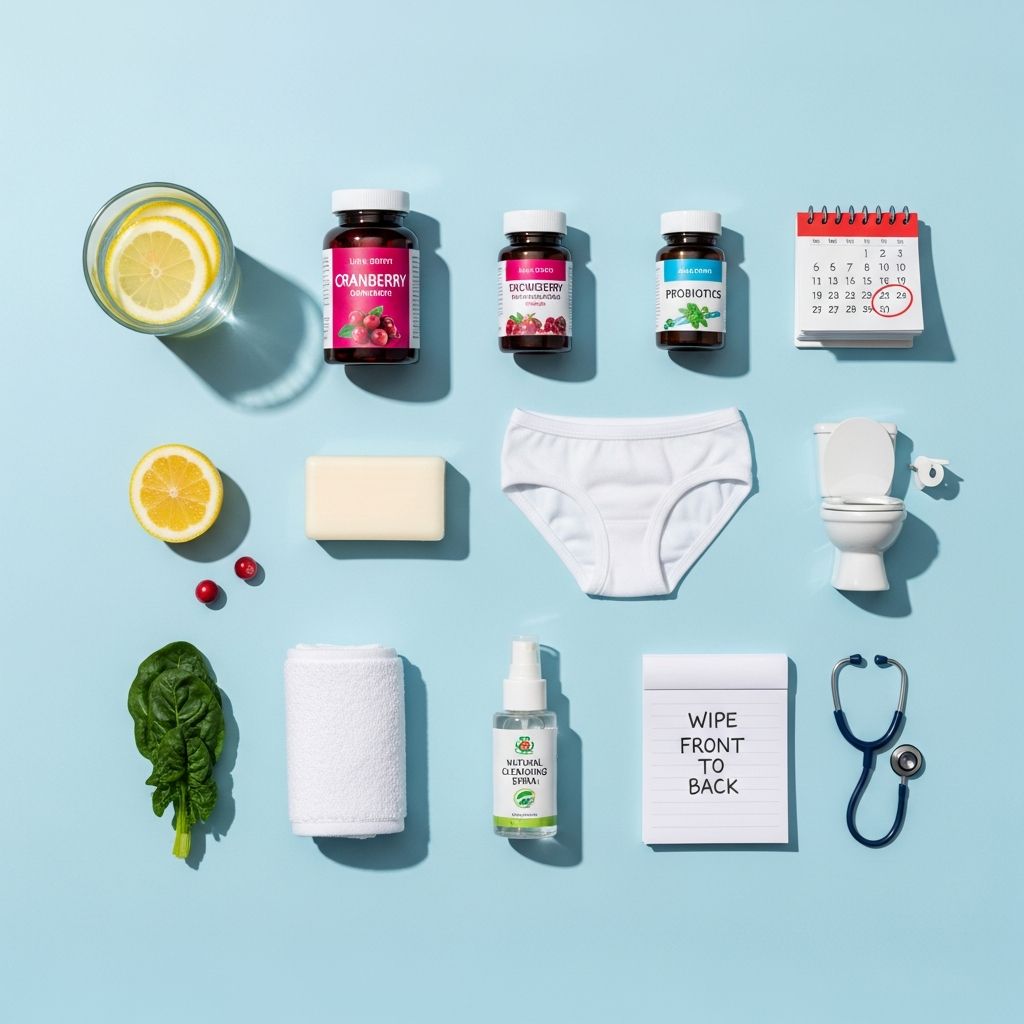
**Wipe front to back** after bowel movements to prevent fecal bacteria from reaching the urethra. This is crucial for women due to anatomical proximity. Clean the genital area daily with mild soap and water; avoid douches, powders, or scented products that disrupt flora.
Change tampons/pads frequently during menstruation. For uncircumcised men, clean under the foreskin daily.
5. Incorporate Cranberry Products
Cranberry juice, capsules, or tablets contain proanthocyanidins (PACs) that prevent E. coli from sticking to bladder cells.
Drink 8-10 ounces of pure, unsweetened cranberry juice daily
if prone to UTIs, increasing during symptoms. Studies show 36mg daily PACs reduce recurrence by 26-39% in women.Related Stories



Not a cure-all, but effective adjunct for history of UTIs. Opt for low-sugar versions.
6. Wear Cotton Underwear and Loose Clothing
Tight synthetics trap moisture, fostering bacterial growth.
Choose breathable cotton underwear
and loose pants/skirts. Change underwear daily, or more if sweaty. Avoid thongs, which can transport bacteria forward.Sleep without underwear to air out the area. Synthetic fabrics like nylon impede airflow.
7. Avoid Irritants Like Spermicides
Spermicides, diaphragms, and nonoxynol-9 kill good bacteria alongside bad, increasing UTI risk. Opt for condoms or hormonal birth control. Limit bubble baths, bath bombs, and harsh soaps that inflame the urethra.
Women with recurrent UTIs may benefit from low-dose prophylactic antibiotics post-sex, per doctor guidance.
8. Use Vaginal Estrogen for Postmenopausal Women
Estrogen decline causes vaginal atrophy, thinning tissues and reducing protective lactobacilli.
Topical vaginal estrogen creams, rings, or tablets restore pH and flora
, cutting UTI risk by 50% in trials. Safe for long-term use without systemic effects.Consult a gynecologist; not suitable for those with breast cancer history.
9. Manage Underlying Conditions
Diabetes, kidney stones, and prolapse impair bladder emptying or immunity.
Control blood sugar, treat stones, and address prolapse
surgically if needed. Overall health—sleep, nutrition, exercise—bolsters immunity.Obesity increases risk; aim for BMI under 30.
10. Consider Probiotics and D-Mannose
Lactobacillus probiotics (oral or vaginal) repopulate good bacteria. D-mannose, a sugar, binds E. coli for excretion. Studies show 2g daily D-mannose matches antibiotics for prevention in recurrent cases, with fewer side effects.
Not FDA-regulated; choose reputable brands.
11. Minimize Catheter Use
Hospital catheters are a leading cause of UTIs.
Remove promptly post-surgery
. Mobilize quickly to resume normal voiding. Intermittent self-catheterization, if needed, requires sterile technique.Incontinence pads over diapers reduce skin moisture.
12. Stay Proactive if Recurrent
For frequent UTIs, see a urologist/urogynecologist. Options: low-dose daily antibiotics (e.g., nitrofurantoin), post-sex dosing, or methenamine hippurate. Track symptoms in a diary for patterns.
Vaccines like MV140 show promise in trials.
UTI Prevention for Specific Groups
| Group | Key Tips | Why It Helps |
|---|---|---|
| Women | Pee after sex, cranberry, hygiene | Short urethra |
| Postmenopausal | Vaginal estrogen, hydration | Atrophy reduces protection |
| Men | Clean foreskin, prostate check | Prostatitis link |
| Children | Frequent voiding, cotton undies | Voiding dysfunction |
| Pregnant | Screening, antibiotics if needed | High complication risk |
Frequently Asked Questions (FAQs)
What is the fastest way to prevent a UTI?
Drink water and urinate frequently to flush bacteria. Cranberry products help block adherence.
Does cranberry juice really work?
Yes, for prevention in at-risk individuals; pure forms with PACs are best.
Can men get UTIs?
Less common, but yes—often linked to prostate issues or catheters.
How much water prevents UTIs?
64 ounces daily, more if active.
Are probiotics effective?
Promising for restoring vaginal/bladder flora, especially lactobacillus strains.
Key Takeaways
- Hydration and frequent urination are foundational.
- Hygiene and post-sex voiding target bacterial entry.
- Cranberry and estrogen address adherence and atrophy.
- Consult specialists for recurrence.
Adopting these habits can slash UTI incidence dramatically. Track what works for you and seek medical advice for personalized plans.
References
- What Doctors Wish Patients Knew About UTI Prevention — American Medical Association (AMA). 2023-10-12. https://www.ama-assn.org/public-health/prevention-wellness/what-doctors-wish-patients-knew-about-uti-prevention
- Urinary Tract Infection (UTI) Prevention — Mayo Clinic. 2024-05-28. https://www.mayoclinic.org/diseases-conditions/urinary-tract-infection/symptoms-causes/syc-20353447
- Recurrent Urinary Tract Infections — National Institute of Diabetes and Digestive and Kidney Diseases (NIDDK). 2023-11-15. https://www.niddk.nih.gov/health-information/urologic-diseases/bladder-infection-uti-in-adults
- Cranberry Products for UTI Prevention — Cochrane Database of Systematic Reviews. 2023-01-10. https://www.cochranelibrary.com/cdsr/doi/10.1002/14651858.CD001321.pub6/full
- Vaginal Estrogen for UTI Prevention — The Lancet. 2022-08-17. https://www.thelancet.com/journals/lancet/article/PIIS0140-6736(22)01289-4/fulltext
Similar Articles








Read full bio of medha deb