How to Prevent Varicose Veins
Expert tips on preventing varicose veins through lifestyle changes, exercise, and compression therapy for healthier legs.
Varicose veins affect millions, causing swollen, twisted veins that lead to discomfort, pain, and potential complications like ulcers or blood clots. While genetics play a major role, proactive lifestyle changes can significantly reduce your risk and severity. This guide covers essential prevention strategies drawn from medical experts, focusing on exercise, diet, compression therapy, and more to keep your legs healthy and vein-strong.
What Are Varicose Veins?
Varicose veins occur when vein walls weaken and valves fail, allowing blood to pool and veins to bulge, often in the legs. This condition impacts over 40 million Americans, with nearly 50% having a family history. Beyond aesthetics, they can cause aching, swelling, skin changes, and serious issues like deep vein thrombosis (DVT).
Risk factors include age (veins lose elasticity over time), genetics, obesity, pregnancy, hormonal changes, and prolonged sitting or standing. Women are more prone due to hormonal fluctuations during pregnancy, menopause, or adolescence.
Why Prevention Matters
Preventing varicose veins isn’t just about appearance—it’s about avoiding pain, swelling, and complications. Early action supports circulation, reduces vein pressure, and promotes overall vascular health. While you can’t change genetics, modifiable habits can lessen symptoms and delay onset.
Key Strategies to Prevent Varicose Veins
Incorporating these evidence-based tips into your routine can make a substantial difference. Focus on consistent, daily habits for long-term benefits.
1. Stay Active and Exercise Regularly
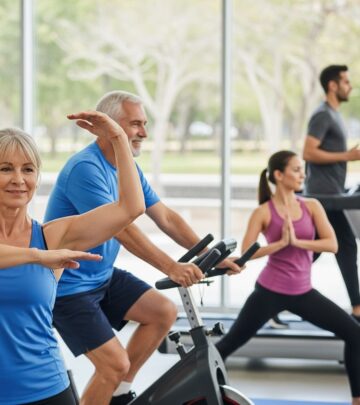
Regular physical activity is one of the most effective ways to prevent varicose veins. Exercise strengthens calf muscles, which act as a pump to push blood upward against gravity, improving circulation and reducing vein pressure.
- Opt for low-impact activities like walking (30 minutes daily), swimming, cycling, or yoga to boost leg circulation without joint strain.
- Aim for at least 150 minutes of moderate aerobic exercise weekly, per health guidelines.
- Incorporate calf raises, leg lifts, and ankle flexes during breaks if you sit or stand for long periods.
For desk workers or those in standing jobs (e.g., nurses, teachers), take hourly breaks to walk, stretch, or shift weight between legs. This simple habit prevents blood pooling.
2. Maintain a Healthy Weight
Excess weight increases pressure on leg veins, exacerbating valve damage. Losing even 10% of body weight can alleviate this strain and improve symptoms.
- Follow a balanced diet rich in fiber (fruits, vegetables, whole grains) to prevent constipation, which adds abdominal pressure on veins.
- Limit salt to reduce water retention and swelling; boost potassium-rich foods like bananas, spinach, and potatoes.
- Combine diet with exercise for sustainable weight management—consult a doctor for personalized plans.
3. Elevate Your Legs
Elevating legs above heart level several times daily promotes venous return, draining pooled blood and reducing swelling. This low-effort tip is ideal for evening relaxation.
- Lie down with legs propped on 2-3 pillows for 15-20 minutes, 3-4 times a day.
- Avoid crossing legs when sitting, as it restricts flow.
- Use this during long flights, work breaks, or before bed.
4. Wear Compression Stockings
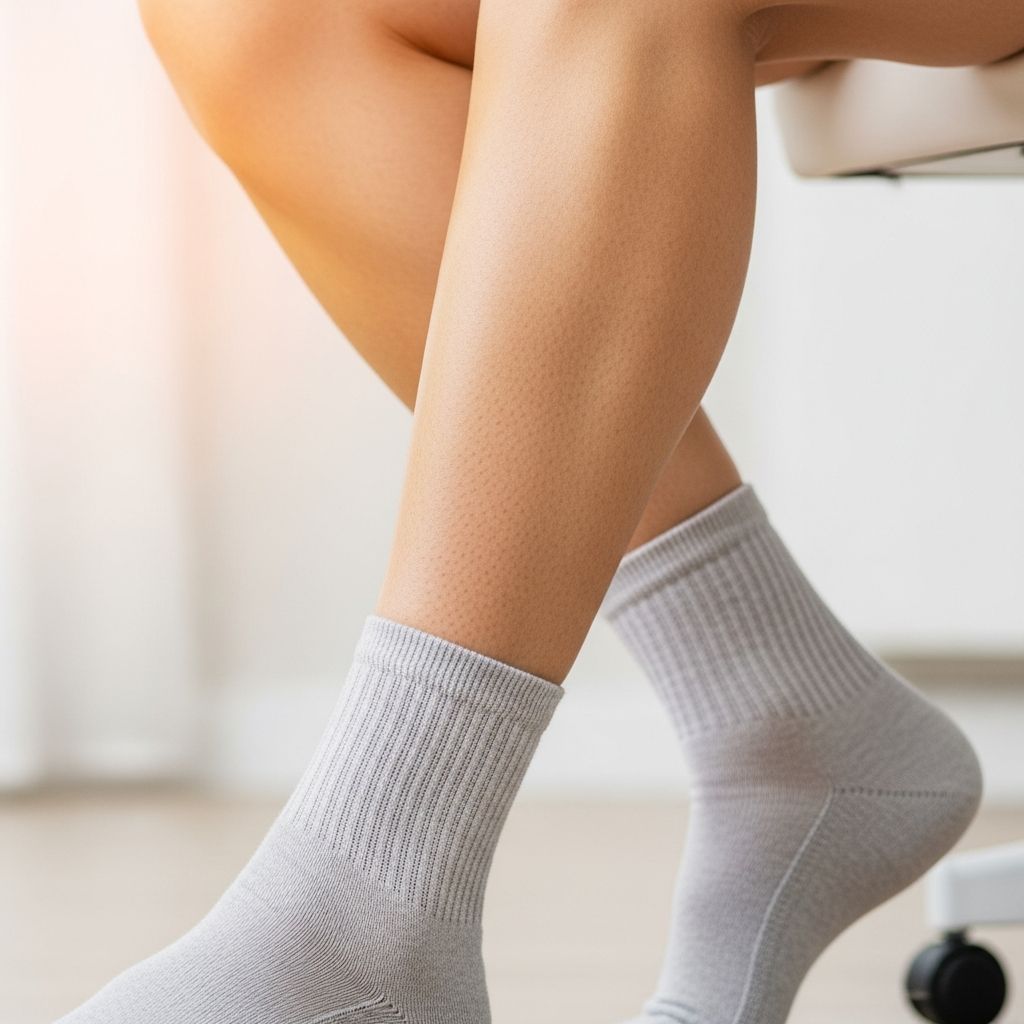
Compression stockings apply graduated pressure (tightest at ankles, looser upward) to support veins, prevent stretching, and enhance blood flow. They’re especially beneficial for high-risk groups like pregnant women, shift workers, or those with family history.
- Start with over-the-counter knee-high socks (15-20 mmHg) for prevention; use medical-grade (20-30 mmHg) if symptoms appear.
- Wear during long standing shifts (e.g., nurses, cashiers) or flights.
- Available in stylish colors—consult a doctor for proper fit to avoid discomfort.
Studies show compression therapy slows varicose vein progression and relieves pain.
5. Avoid Prolonged Sitting or Standing
Immobility causes blood to pool in leg veins. Break up long periods with movement to keep valves functioning.
- Stand and walk every 30-60 minutes if desk-bound; use a standing desk alternately.
- If standing all day, flex ankles, march in place, or use a footrest.
- During travel, do seated exercises like ankle circles.
6. Additional Lifestyle Tips
Enhance prevention with these habits:
- Stay hydrated: Water supports blood viscosity for smoother flow.
- Avoid tight clothing: Around waist, legs, or groin to prevent restriction.
- Massage legs: Gently upward to stimulate circulation, especially after long days.
- Quit smoking: It damages vein walls and impairs circulation.
Who Is at Higher Risk?
| Risk Factor | Description | Prevention Tip |
|---|---|---|
| Genetics | Family history increases likelihood by 50%. | Early adoption of compression and exercise. |
| Age | Veins stiffen over time. | Consistent activity regardless of age. |
| Pregnancy | Hormones and uterus pressure veins. | Compression stockings and elevation. |
| Obesity | Extra weight strains legs. | Weight loss and low-salt diet. |
| Occupation | Prolonged sitting/standing. | Breaks and compression wear. |
This table summarizes high-risk groups and targeted strategies.
When to See a Doctor
Prevention works best early, but consult a vascular specialist if you notice bulging veins, persistent pain, swelling, skin changes, or ulcers. Early intervention prevents progression to treatments like sclerotherapy or ablation.
Frequently Asked Questions (FAQs)
What causes varicose veins?
Weak vein walls and faulty valves lead to blood pooling, worsened by genetics, age, obesity, and immobility.
Can varicose veins be completely prevented?
Not always due to genetics, but lifestyle changes significantly reduce risk and severity.
Are compression stockings uncomfortable?
Modern ones are stylish and comfortable; proper sizing prevents issues.
How often should I elevate my legs?
15-20 minutes, 3-4 times daily, or as needed for swelling.
Does exercise really help?
Yes, it strengthens muscles that aid venous return, reducing pressure.
Conclusion
Preventing varicose veins empowers you to maintain leg comfort and vascular health. Start with exercise, weight control, elevation, and compression stockings—small changes yield big results. Monitor symptoms and seek professional advice for personalized care. Healthy legs are within reach with consistency.
References
- Avoiding and Treating Varicose Veins — Bayfront Health. 2023. https://www.bayfronthealth.com/content-hub/avoiding-and-treating-varicose-veins/
- Preventing Varicose Veins: Tips for Healthy, Happy Legs — National Vascular Physicians. 2024-11-06. https://nationalvascularphysicians.com/blog/preventing-varicose-veins-tips-for-healthy-happy-legs/
- How to Prevent Varicose Veins — Vein Health Medical Clinic. 2024. https://www.veinhealth.com.au/how-to-prevent-varicose-veins/
- Are Varicose Veins Dangerous? FAQs About Varicose and Spider Veins — UVA Health. 2024. https://www.uvahealth.com/healthy-balance/varicose-spider-vein-faqs
Similar Articles







Read full bio of medha deb