How to Protect Your Heart During the Winter
Discover essential tips to safeguard your heart health against winter's cold grip, from staying warm to avoiding risks like shoveling snow.

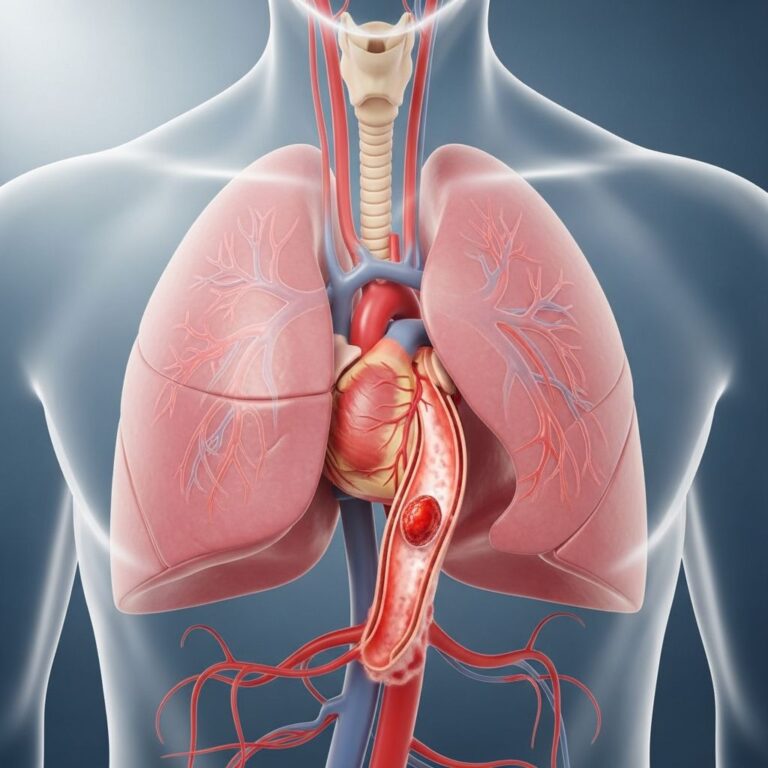
Winter brings festive cheer but also heightened risks for heart problems. Cold temperatures cause blood vessels to constrict, forcing the heart to pump harder and increasing blood pressure, which can trigger heart attacks or strokes, particularly for those with existing conditions.
This comprehensive guide explains why cold weather impacts cardiovascular health, identifies at-risk groups, and provides actionable strategies to protect your heart, drawing from expert advice by cardiologists and health organizations.
Why Does Cold Weather Affect Heart Health?
When temperatures drop, the body responds by narrowing blood vessels near the skin’s surface to conserve heat, a process called
vasoconstriction
. This reduces blood flow and raises pressure throughout the circulatory system, compelling the heart to work harder to deliver oxygen-rich blood.Studies show heart attack rates peak in winter, with cold air exacerbating coronary heart disease symptoms like angina (chest pain). The heart rate increases, and oxygen demand rises, potentially leading to cardiac ischemia if supply can’t meet needs. Additional factors include flu season, which studies link to a spike in heart events shortly after infection, and activities like snow shoveling that combine cold exposure with exertion.
Blood clotting risk also heightens due to lower temperatures promoting thicker blood, while shorter days and holiday stress contribute to poorer lifestyle choices.
Who’s Most at Risk?
Not everyone faces equal danger, but certain groups should exercise extra caution:
- People over 65: Older adults struggle more with temperature regulation, amplifying cold’s effects.
- Those with heart conditions: History of coronary disease, stents, or prior procedures heightens vulnerability to angina and attacks.
- Risk factor carriers: High blood pressure, diabetes, family history of heart disease, or smoking history.
- Sedentary individuals: Unaccustomed to exertion, they risk overload from sudden activities like shoveling.
Even healthy people aren’t immune; anyone shoveling heavy snow or exposed to extreme cold should be vigilant.
How to Protect Your Heart from the Cold
Simple, evidence-based steps can significantly mitigate winter heart risks. Focus on staying warm, preventing infections, maintaining fitness, and monitoring symptoms.
Book Your Flu Jab
Influenza season coincides with winter, and flu infections double heart attack risk in the following weeks by inflaming arteries and promoting clots, per American Heart Association data. The flu vaccine reduces this threat substantially; prioritize it if you have heart disease or are over 65. Consult your GP for eligibility and booking.
Stay Warm Inside the Home
Maintain main living areas at least
18°C (64°F)
to prevent excessive heart strain from shivering, which elevates heart rate. Use hot water bottles, blankets, or efficient heating, but avoid overheating to prevent blood pressure drops.When venturing out:
- Dress in
layers
to trap insulating air; remove as needed to avoid sweat-induced chills. - Wear a
hat, scarf, and gloves
—up to 40% of heat escapes via the head, and scarves warm inhaled air, easing lung and heart stress. - Cover mouth and nose with a scarf or mask to prevent cold air from narrowing coronary arteries.
Dress Appropriately for Outdoor Activities
Layer clothing effectively: start with moisture-wicking base layers, add insulating mid-layers, and top with windproof outerwear. Hands and feet lose heat fast, so use thick socks and mittens. Ears are prone to frostbite, which signals broader hypothermia risk—a condition where core temperature drops dangerously, stressing the heart.
Related Stories



| Layer Type | Purpose | Examples |
|---|---|---|
| Base Layer | Wicks sweat | Thermal underwear |
| Mid Layer | Insulates | Fleece or wool sweater |
| Outer Layer | Wind/waterproof | Gore-Tex jacket |
Be Smart About Snow Shoveling and Exercise
Snow shoveling is notoriously risky, combining cold vasoconstriction with intense upper-body work, akin to heavy weightlifting. Heart attacks during shoveling are common; if you have heart issues, hire help or use a snowblower.
If shoveling is unavoidable:
- Warm up first: 10-15 minutes indoors.
- Push snow, don’t lift; work slowly.
- Take
frequent breaks
every 10 minutes; stop if dizzy or pained. - Stay hydrated—dehydration thickens blood.
For exercise, opt for indoor alternatives like walking malls or home workouts to maintain fitness without cold exposure. Aim for 150 minutes moderate activity weekly.
Eat Well and Stay Hydrated
Winter diets often turn heavy with comfort foods, raising cholesterol and weight. Prioritize heart-healthy choices:
- Omega-3 rich foods: Salmon, nuts for anti-inflammatory benefits.
- Fruits/veggies: Antioxidants combat vessel damage.
- Whole grains, lean proteins: Stabilize blood sugar.
Avoid excess salt to control blood pressure. Hydrate despite low thirst—warm herbal teas count. Limit alcohol; it dilates vessels initially but dehydrates and masks fatigue.
Avoid Alcohol Before Going Out
Alcohol creates a false warmth sensation, leading to underdressing and hypothermia risk. It also raises heart rate and interacts poorly with cold-induced strain. Save drinks for indoors after warming up.
Recognize Heart Attack Warning Signs
Winter delays symptom recognition due to cold discomfort mimicry. Know these signs and act fast—call emergency services:
- Chest pain/pressure lasting >5 minutes.
- Pain radiating to jaw, neck, arms, back.
- Shortness of breath, nausea, dizziness, sweating.
Women and diabetics may have subtler symptoms like fatigue. Learn CPR; it can double survival odds post-cardiac arrest.
Frequently Asked Questions (FAQs)
Is shoveling snow safe for my heart?
Not if you have heart disease—avoid it. Otherwise, warm up, push snow, take breaks, and stop at any discomfort.
Should I get a flu shot if I have heart issues?
Yes, absolutely; flu raises heart attack risk significantly.
How warm should my home be in winter?
At least 18°C in used rooms to prevent strain without overheating.
Does exercise help in cold weather?
Yes, but indoors; it raises core temperature safely.
What if I feel chest pain in the cold?
Stop activity, rest warm, seek medical help if persists.
By implementing these strategies, you can enjoy winter safely. Prioritize warmth, health habits, and vigilance for a protected heart.
References
- How Cold Weather Can Impact Your Heart Health — Tufts Medicine. 2023. https://www.tuftsmedicine.org/about-us/news/how-cold-weather-can-impact-your-heart-health
- How to Protect Your Heart this Winter — Guthrie. 2024. https://www.guthrie.org/blog/how-protect-your-heart-winter
- Cold Weather and Cardiovascular Disease — American Heart Association. 2024-01-13. https://www.heart.org/en/health-topics/consumer-healthcare/what-is-cardiovascular-disease/cold-weather-and-cardiovascular-disease
- This is what cold weather does to your heart — Patient.info. 2023. https://patient.info/features/heart-health/this-is-what-cold-weather-does-to-your-heart
- 5 Ways to Treat Your Heart Right this Winter — Munson Healthcare. 2023. https://www.munsonhealthcare.org/blog/5-ways-to-treat-your-heart-right-this-winter
Similar Articles








Read full bio of medha deb