How To Raise Low Blood Pressure: A Comprehensive Guide
Effective strategies to manage and raise low blood pressure naturally through diet, lifestyle changes, and medical advice.
Low blood pressure, or hypotension, occurs when blood pressure drops below the normal range, typically under 90/60 mm Hg, leading to symptoms like dizziness, fainting, and fatigue. While it can be harmless in some cases, persistently low readings may signal underlying issues and require targeted interventions to raise it safely.
What Is Low Blood Pressure?
Low blood pressure is defined as a reading lower than 90 systolic over 60 diastolic mm Hg. It differs from high blood pressure, where readings exceed 130/80 mm Hg, and both extremes pose health risks if unmanaged. Unlike hypertension, which damages organs over time, hypotension can cause immediate symptoms due to reduced blood flow to the brain and vital organs.
Symptoms include lightheadedness, blurred vision, nausea, confusion, weakness, and fainting, particularly upon standing (orthostatic hypotension). Chronic low blood pressure may result from dehydration, medications, heart conditions, endocrine disorders, or nutritional deficiencies.
Symptoms of Low Blood Pressure
- Dizziness or lightheadedness, especially when standing up quickly
- Fainting (syncope)
- Blurred vision
- Nausea
- Fatigue and weakness
- Confusion
- Cold, clammy, pale skin
- Rapid, shallow breathing
- Low urine output from dehydration
These symptoms often worsen after eating large meals, exercising vigorously, or in hot environments.
Causes of Low Blood Pressure
Low blood pressure arises from various factors:
- Dehydration: Reduces blood volume, common in hot weather or illness.
- Medications: Blood pressure drugs, diuretics, antidepressants.
- Heart issues: Bradycardia, heart valve problems, heart attack.
- Endocrine disorders: Underactive thyroid, Addison’s disease, low blood sugar.
- Nutritional deficiencies: Lack of B-12 or folate causing anemia.
- Pregnancy: Hormonal changes and blood volume shifts.
- Prolonged bed rest or standing: Leads to blood pooling.
- Neurological conditions: Parkinson’s, autonomic dysfunction.
When to See a Doctor
Consult a healthcare provider if low blood pressure is accompanied by chest pain, irregular heartbeat, severe headache, or frequent fainting. Sudden drops may indicate anaphylaxis, internal bleeding, or infection. Pregnant individuals should monitor closely for anemia or ectopic pregnancy. Measure blood pressure lying down, then standing after 1 and 3 minutes to detect orthostatic hypotension.
How to Raise Low Blood Pressure Naturally
Increase Salt Intake
Sodium helps retain water, boosting blood volume and pressure. Opt for canned soups, olives, pickled foods, smoked fish, cottage cheese, and anchovies instead of processed junk. Consult a doctor first, as excessive salt risks heart issues in others.
Stay Hydrated
Dehydration shrinks blood volume; aim for 6-8 glasses of water daily. Limit alcohol and caffeine, which dehydrate. During pregnancy or heat exposure, increase intake.
Eat Small, Frequent Meals
Large meals divert blood to digestion, dropping pressure. Switch to smaller meals every 3-4 hours with whole grains over refined carbs to stabilize levels.
Related Stories



Boost Vitamin B12 and Folate
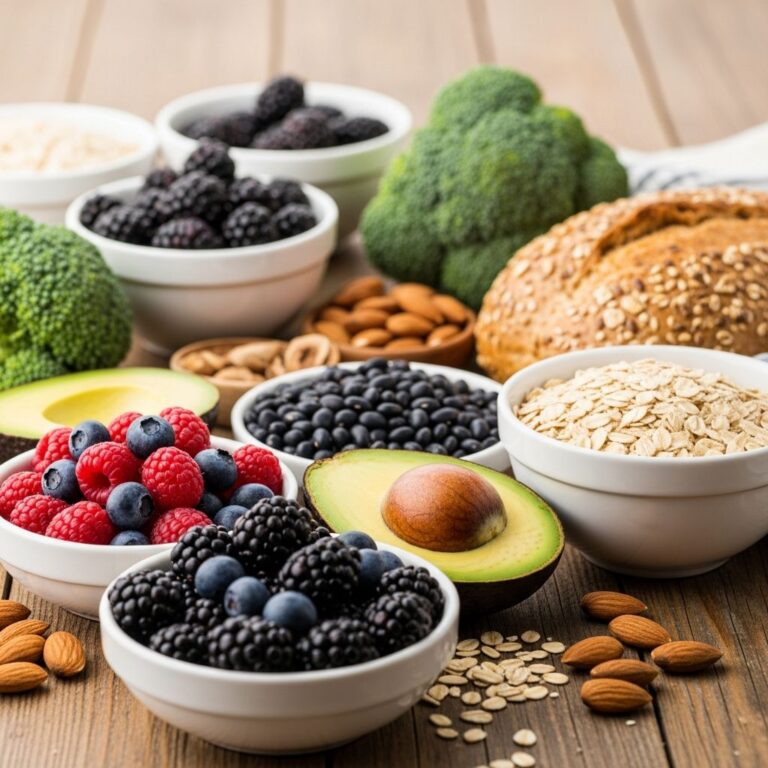
Deficiencies cause anemia and low pressure. Include eggs, meat, fortified cereals, leafy greens, beans, lentils, citrus, asparagus, and liver.
Caffeine Temporarily
Coffee or tea stimulates the heart, providing a short-term spike. Use moderately.
Lifestyle Changes to Raise Blood Pressure
- Get up slowly: Stretch in bed, sit first, cross/uncross legs before standing to prevent orthostatic drops.
- Elevate bed head: Use pillows or wedges to improve circulation overnight.
- Move regularly: Short walks or standing desks counter sedentary pooling; avoid prolonged sitting.
- Wear compression stockings: They push blood upward from legs; get GP approval.
- Avoid triggers: Hot tubs, saunas, vigorous exercise in heat; take breaks.
- Limit alcohol: Promotes dehydration.
Medical Treatments for Low Blood Pressure
If lifestyle fails, doctors may prescribe:
- Fludrocortisone: Increases sodium retention.
- Midodrine: Constricts vessels to raise pressure.
- Medication adjustments: For drug-induced hypotension.
- IV fluids: For acute dehydration.
- Pacemakers: For heart rhythm issues.
Treatment targets underlying causes like anemia or endocrine problems.
Low Blood Pressure in Pregnancy
Common early due to vessel dilation; resolves later. Monitor for anemia, stay hydrated, eat small meals, and rise slowly. Regular prenatal checks essential.
Diet Plan for Low Blood Pressure
| Meal | Suggestions |
|---|---|
| Breakfast | Fortified cereal with eggs, citrus fruit |
| Lunch | Canned soup, cottage cheese, olives |
| Snack | Smoked fish, pickled veggies, nuts |
| Dinner | Lean meat, leafy greens, lentils |
| Drinks | Water (8 glasses), coffee (moderate) |
Aim for balanced, salty, nutrient-rich foods.
Frequently Asked Questions (FAQs)
Can diet alone raise low blood pressure?
Yes, increasing salt, fluids, B12, and folate often helps, but monitor and consult a doctor.
Is low blood pressure dangerous?
It can be if causing fainting or signaling heart/endocrine issues; otherwise, manageable.
How much salt is safe for low BP?
Doctor-guided increase; focus on whole foods like olives over processed.
Does exercise help or hurt low blood pressure?
Regular light movement helps; avoid intense in heat.
When is low blood pressure an emergency?
If with chest pain, confusion, or readings <90/60 with symptoms, seek immediate care.
This comprehensive guide empowers you to manage hypotension effectively. Always personalize with professional advice for optimal results.
References
- Raise Low Blood Pressure Naturally Through Diet — Healthline. 2025-06-25. https://www.healthline.com/health/low-blood-pressure-diet
- 5 tips to try if you have low blood pressure — British Heart Foundation. N/A. https://www.bhf.org.uk/informationsupport/heart-matters-magazine/medical/how-to-treat-low-blood-pressure
- Low Blood Pressure vs High Blood Pressure — Samitivej Hospitals. N/A. https://www.samitivejhospitals.com/article/detail/low-blood-pressure-vs-high-blood-pressure
- Low Blood Pressure – When Blood Pressure Is Too Low — American Heart Association. N/A. https://www.heart.org/en/health-topics/high-blood-pressure/the-facts-about-high-blood-pressure/low-blood-pressure-when-blood-pressure-is-too-low
Similar Articles








Read full bio of Sneha Tete