How To Read A Sunscreen Label: Comprehensive Guide To Protection
Master sunscreen labels to choose effective protection against UV rays and reduce skin cancer risk.
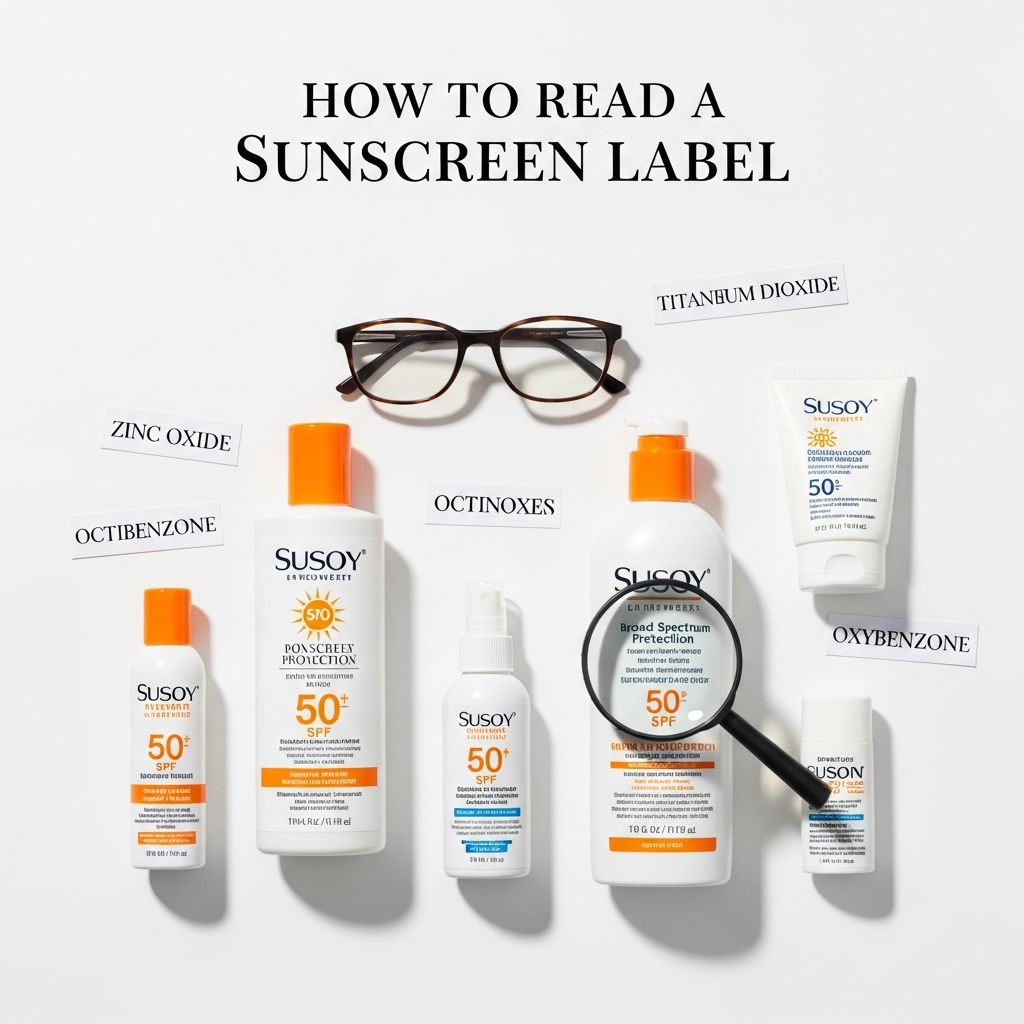
Reading a sunscreen label shouldnt feel like deciphering a foreign language. A study in JAMA Dermatology revealed that only 43 percent of people correctly understand SPF values, highlighting the need for clear guidance on label terms. This comprehensive guide breaks down every key element on sunscreen packaging, empowering you to select products that effectively shield your skin from harmful ultraviolet (UV) rays and lower skin cancer risk.
Sunscreens are essential for preventing sunburn, premature aging, and skin cancers like melanoma, which is linked to 85% of cases from UV exposure. With marketing claims often overshadowing regulated facts, understanding labels ensures you get genuine protection. Well cover seals of approval, SPF ratings, broad spectrum protection, active ingredients, water resistance, and usage instructions.
Sunscreen Seals of Recommendation
The Skin Cancer Foundation awards two key seals to verify product efficacy: the Daily Use Seal and the Active Seal. These seals indicate rigorous testing by photobiologists for safe, effective UV protection.
- Daily Use Seal: For sunscreens protecting against brief, everyday exposures like walking to the car or errands. Ideal for routine application.
- Active Seal: For products suited to prolonged sun exposure, such as beach days, outdoor exercise, or sports. These withstand sweat and activity better.
Look for these seals as a trusted shortcut, especially for children or sensitive skin. They confirm the sunscreen meets or exceeds FDA standards for UVA and UVB protection.
Sun Protection Factor (SPF)
SPF, or Sun Protection Factor, measures protection against UVB rays, the primary cause of sunburn and linked to skin cancer. It indicates how long it takes for UVB rays to redden protected skin compared to unprotected skin.
For example, SPF 30 allows about 1/30th of UVB rays to reach the skin, theoretically extending safe exposure time by 30 times (e.g., 10 minutes unprotected becomes 300 minutes with SPF 30). However, no sunscreen blocks 100% of raysSPF 30 filters ~97%, SPF 50 ~98%.
| SPF Level | Protection Level | UVB Block % |
|---|---|---|
| SPF 15-25 | Medium | 93-96% |
| SPF 30-50 | High | 97-98% |
| SPF 50+ | Very High | 98%+ |
Experts recommend SPF 30 or higher daily. SPF 50+ means at least SPF 60, per regulations like Australias TGA. Higher isnt always betterproper application matters more than chasing SPF 100.
Broad Spectrum
Broad spectrum is a mandatory FDA term meaning the sunscreen protects against both UVA and UVB rays. UVB causes sunburn; UVA penetrates deeper, causing photoaging, wrinkles, and contributes to skin cancer.
Without “broad spectrum,” the product likely lacks sufficient UVA protectionput it back on the shelf. In the EU and elsewhere, look for PA++++ ratings for UVA (PA+ = moderate, PA++++ = highest).[10] Always prioritize broad spectrum for complete defense.
Related Stories



Active Ingredients
Listed on the back under “Active Ingredients” or “Drug Facts,” these are the UV-fighting components. Two main types: chemical (absorbers) and physical/mineral (blockers/reflectors).
- Chemical filters: Avobenzone, oxybenzone, octinoxate, homosalate. Absorb UV rays, converting them to heat. May irritate sensitive skin or harm coral reefs (avoid oxybenzone/octinoxate for “reef-safe”).
- Physical/mineral filters: Zinc oxide, titanium dioxide. Sit on skins surface, reflecting/scattering UVgentler, ideal for kids/sensitives. Recent research shows they primarily absorb, not just reflect.
- Hybrid: Combine both for balanced, photostable protection.
Choose mineral for sensitive skin; chemical for lightweight feel. Non-nano particles reduce white cast.
Water-Resistant
“Water-resistant” means the sunscreen retains efficacy during swimming or sweating, but specify duration: 40 minutes or 80 minutes. No product is waterproofreapply after 40/80 minutes, toweling dry, or every 2 hours.
“Sports” or “sweat-resistant” often aligns with 80-minute water resistance. Test in water to confirm.
Other Key Label Terms
- Non-comedogenic: Wont clog poresgreat for acne-prone skin.
- Oil-free/Matte: For oily skin, reduces shine.
- Reef-safe: Lacks oxybenzone/octinoxate to protect marine life (marketing term, verify ingredients).
- Expiry Date: Use by date; efficacy drops post-expiry.
- AUST Number (Australia): Confirms TGA regulation.
How to Use Sunscreen Effectively
Labels include instructions: apply generously 15-30 minutes before sun exposure, ~1 oz (shot glass) for adult body. Reapply as directed. Combine with shade, clothing, hats for layered protection.
Avoid peak sun (10 AM-4 PM). For kids under 6 months, prioritize shade/clothing; use sunscreen sparingly.
Frequently Asked Questions (FAQs)
Q: What SPF should I use daily?
A: SPF 30+ broad spectrum, reapplied every 2 hours.
Q: Mineral vs. chemical sunscreenwhich is better?
A: Mineral for sensitive skin; chemical for elegance. Both effective if broad spectrum.
Q: Does higher SPF mean twice the protection?
A: NoSPF 50 blocks slightly more UVB than SPF 30 (~1-2% difference).
Q: Is SPF 100 worth it?
A: Marginal gains; focus on application amount/frequency.
Q: What makes a sunscreen “reef-safe”?
A: Absence of oxybenzone/octinoxate; check active ingredients.
Shopping Checklist
- SPF 30+
- Broad spectrum
- Water-resistant (if active)
- Skin Cancer Foundation Seal
- Suitable active ingredients for your skin type
Mastering labels ensures robust protection. Make informed choices for healthier skin.
References
- How to Read a Sunscreen Label Skin Cancer Foundation. 2023. https://www.skincancer.org/blog/how-to-read-a-sunscreen-label/
- What Labels on Sunscreen Bottles Really Mean Consumer Reports. 2023-05-24. https://www.consumerreports.org/health/sunscreens/what-labels-on-sunscreen-bottles-really-mean-a5703434189/
- Reading Sunscreen Labels Therapeutic Goods Administration (TGA). 2024. https://www.tga.gov.au/resources/explore-topic/sunscreens/reading-sunscreen-labels
- How to Read a Sunscreen Label Melanoma Canada. 2023. https://melanomacanada.ca/blog/how-to-read-a-sunscreen-label/
- How to Decode Sunscreen Labels American Academy of Dermatology (AAD). 2024. https://www.aad.org/public/everyday-care/sun-protection/shade-clothing-sunscreen/understand-sunscreen-labels
Similar Articles








Read full bio of medha deb