How To Reduce Bloating: 12 Fast-Acting Relief Strategies
Expert-backed strategies to quickly alleviate bloating, from dietary tweaks to lifestyle changes for lasting gut relief.
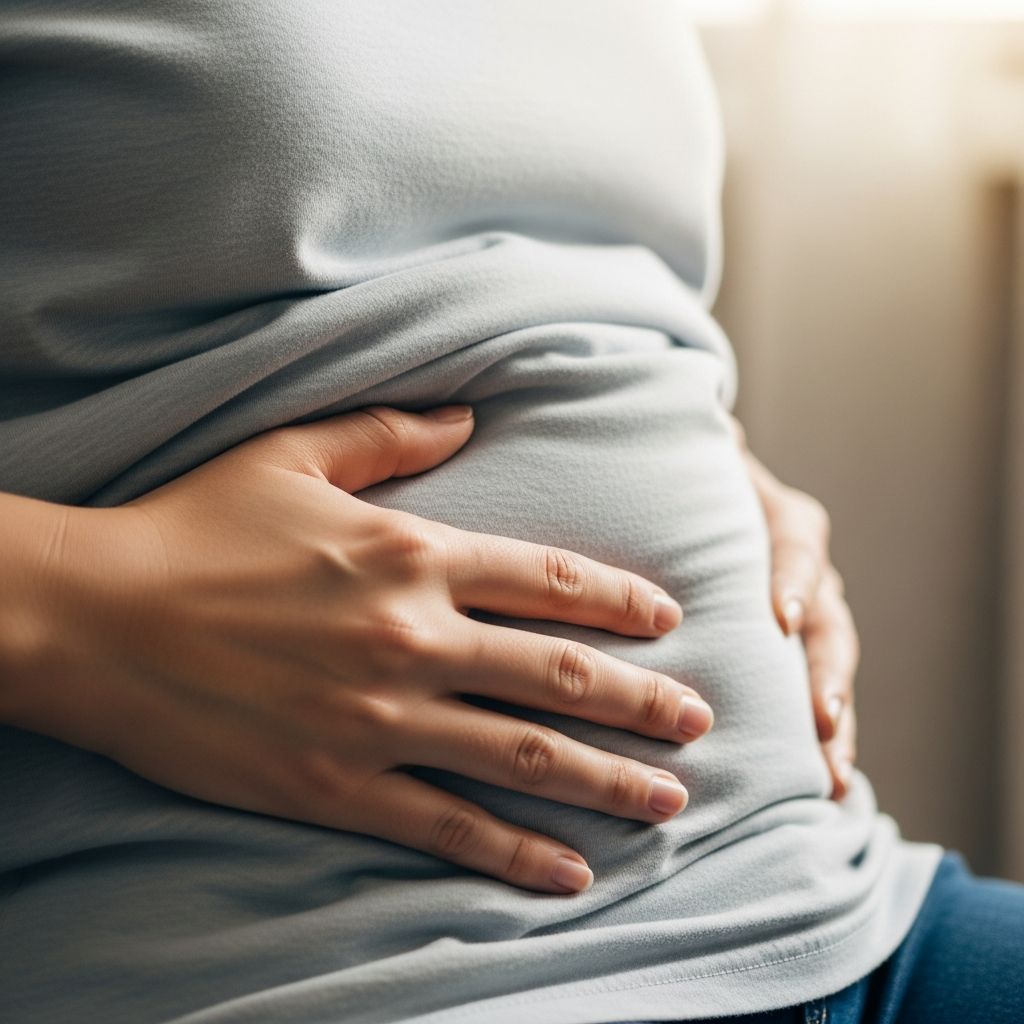
Bloating affects up to 30% of people regularly, causing abdominal discomfort, distension, and gas that can disrupt daily life. While occasional bloating is normal, chronic cases may signal underlying digestive issues. This guide explores proven strategies to reduce bloating based on expert recommendations from gastroenterologists and registered dietitians.
What Causes Bloating?
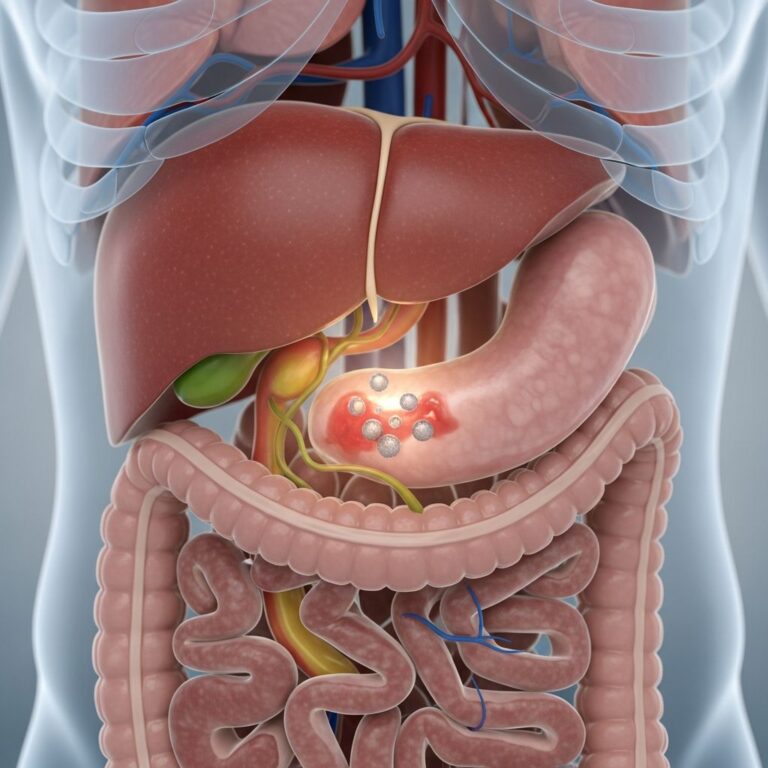
Bloating occurs when excess gas accumulates in the digestive tract or when the abdomen expands due to fluid, food, or constipation. Common triggers include:
- Dietary factors: High-FODMAP foods (fermentable oligosaccharides, disaccharides, monosaccharides, and polyols) like beans, onions, garlic, wheat, and certain fruits ferment in the gut, producing gas.
- Swallowing air: Eating too quickly, chewing gum, or drinking through straws introduces air into the stomach (aerophagia).
- Constipation: Slow-moving stool allows bacteria to ferment undigested food, creating gas buildup.
- Food intolerances: Lactose intolerance affects 65% of the global population, leading to bloating after dairy consumption.
- Hormonal changes: Premenstrual syndrome (PMS) causes water retention and slowed digestion in 75% of menstruating individuals.
- Gut microbiome imbalance: Dysbiosis from antibiotics or poor diet disrupts digestion.
Understanding your triggers is the first step to relief. Track symptoms with a food diary to identify patterns.
12 Ways to Reduce Bloating Fast
1. Eat Smaller, More Frequent Meals
Overloading your stomach with large meals stretches it, triggering bloating. Opt for 4-6 smaller meals spaced every 3-4 hours. This prevents overwhelming digestive enzymes and reduces fermentation time for gut bacteria.
Tip: Use smaller plates to naturally portion control. Chew thoroughly—30 times per bite—to aid mechanical digestion and minimize swallowed air.
2. Avoid Trigger Foods and FODMAPs
The low-FODMAP diet, developed by Monash University, reduces bloating in 75% of irritable bowel syndrome (IBS) patients. Temporarily eliminate high-FODMAP foods like:
| High-FODMAP Foods | Low-FODMAP Alternatives |
|---|---|
| Apples, pears, watermelon | Bananas, strawberries, oranges |
| Wheat bread, pasta | Sourdough spelt bread, quinoa |
| Beans, lentils | Tofu, tempeh, small amounts of canned chickpeas |
| Onions, garlic | Green part of scallions, garlic-infused oil |
Reintroduce foods gradually to pinpoint triggers. Apps like Monash FODMAP can guide you.
3. Stay Hydrated
Dehydration thickens digestive contents, slowing motility and promoting constipation—a major bloating culprit. Aim for 11.5 cups (women) or 15.5 cups (men) of water daily, per the National Academies of Sciences. Herbal teas like peppermint or ginger soothe the gut lining and reduce spasms.
Pro tip: Sip water steadily rather than gulping to avoid air intake.
4. Incorporate Probiotics
Probiotics restore gut flora balance, reducing gas-producing bacteria. A 2023 meta-analysis found Lactobacillus and Bifidobacterium strains alleviate bloating in 70% of users after 4 weeks. Fermented foods like kefir, yogurt, kimchi, and sauerkraut provide natural sources; supplements should contain 10-20 billion CFUs daily.
Consult a doctor before starting, especially if immunocompromised.
5. Get Moving with Exercise
Physical activity stimulates intestinal contractions (peristalsis), expelling gas and stool. A 30-minute brisk walk post-meal reduces bloating by 40%, per recent studies. Yoga poses like child’s pose, cat-cow, and wind-relieving pose massage abdominal organs and release trapped gas.
Related Stories



- Apanasana (knees-to-chest): Lie on back, hug knees, rock side-to-side (5 breaths).
- Seated twist: Enhances digestion by wringing out the torso.
6. Try Abdominal Massage
Clockwise circular massage from the lower right abdomen (cecum) upward, across, and down promotes peristalsis. A 2024 study showed 15 minutes daily reduced IBS bloating by 58%. Use 1 tsp carrier oil like jojoba; add 2 drops peppermint essential oil for extra relief (dilute properly to avoid irritation).
7. Limit Gas-Producing Habits
Aerophagia contributes to 50% of bloating cases. Break these habits:
- Chew gum or suck hard candy
- Drink carbonated beverages
- Eat too fast/talk while chewing
- Use straws
- Smoke
Mindful eating—focusing solely on your meal—cuts air swallowing by 30%.
8. Consider Digestive Enzymes
Supplements with alpha-galactosidase (Beano) break down complex carbs in beans and veggies, reducing gas by up to 50%. Lactase pills help lactose-intolerant individuals. Take just before meals; effectiveness varies.
9. Use Heat Therapy
A heating pad or warm compress relaxes abdominal muscles and improves blood flow, easing cramps and bloating. Apply for 15-20 minutes. Avoid direct skin contact to prevent burns.
10. Manage Stress
The gut-brain axis means stress slows digestion via the vagus nerve. Diaphragmatic breathing (4-7-8 technique: inhale 4s, hold 7s, exhale 8s) activates the parasympathetic system, reducing bloating in minutes. Daily meditation cuts chronic symptoms by 39%.
11. Adjust Fiber Intake Gradually
Soluble fiber (oats, psyllium) bulks stool without excess gas, unlike insoluble fiber (bran). Increase by 5g weekly to 25-30g daily. Psyllium husk (1 tbsp in water) relieves constipation bloating effectively.
12. Herbal Teas for Relief
- Peppermint: Menthol relaxes GI muscles (avoid if GERD).
- Ginger: Prokinetic, speeds emptying.
- Fennel: Carminative, expels gas.
- Chamomile: Anti-inflammatory.
Steep 5-10 minutes, drink 2-3 cups daily.
When to See a Doctor
Seek medical help if bloating persists >2 weeks, or accompanies:
- Unexplained weight loss
- Blood in stool
- Severe pain/vomiting
- Fever
- Changes in bowel habits >3 weeks
These may indicate celiac disease, IBD, SIBO, or ovarian cancer. Tests like breath tests or endoscopy may be needed.
Frequently Asked Questions (FAQs)
Does coffee cause bloating?
Coffee stimulates gut motility but may irritate IBS-prone guts or cause acid reflux leading to bloating. Decaf or post-meal consumption helps.
Can bloating be a sign of pregnancy?
Yes, progesterone slows digestion in early pregnancy, mimicking PMS bloating. Test if periods are late.
How long does bloating last after eating?
Typically 2-4 hours; longer suggests intolerance or slow motility.
Do probiotics work immediately for bloating?
No, benefits appear in 1-4 weeks as microbiome shifts.
Is bloating always gas?
No—can be fluid retention, constipation, or visceral hypersensitivity.
References
- Dietary Guidelines for Americans, 2020-2025 — U.S. Department of Agriculture and HHS. 2020-12-29. https://www.dietaryguidelines.gov/sites/default/files/2020-12/Dietary_Guidelines_for_Americans_2020-2025.pdf
- Low FODMAP Diet — Monash University. 2024-01-15. https://www.monashfodmap.com/about-fodmap-and-ibs/high-and-low-fodmap-foods/
- Probiotics for Gastrointestinal Conditions — American Gastroenterological Association. 2023-06-01. https://gastro.org/clinical-guidance/probiotics-for-gastrointestinal-conditions/
- Exercise and Gut Motility — National Institute of Diabetes and Digestive and Kidney Diseases. 2023-11-20. https://www.niddk.nih.gov/health-information/digestive-diseases/gas-digestive-tract
- Irritable Bowel Syndrome in Adults — Agency for Healthcare Research and Quality. 2022-09-12. https://effectivehealthcare.ahrq.gov/products/ibs/research
- Gas in the Digestive Tract — Mayo Clinic. 2024-05-08. https://www.mayoclinic.org/diseases-conditions/gas-and-gas-pains/symptoms-causes/syc-20372709
Similar Articles








Read full bio of medha deb