How to Reduce Food Poisoning from Seafood
Essential tips for safely handling, preparing, and cooking seafood to minimize foodborne illness risks at home.
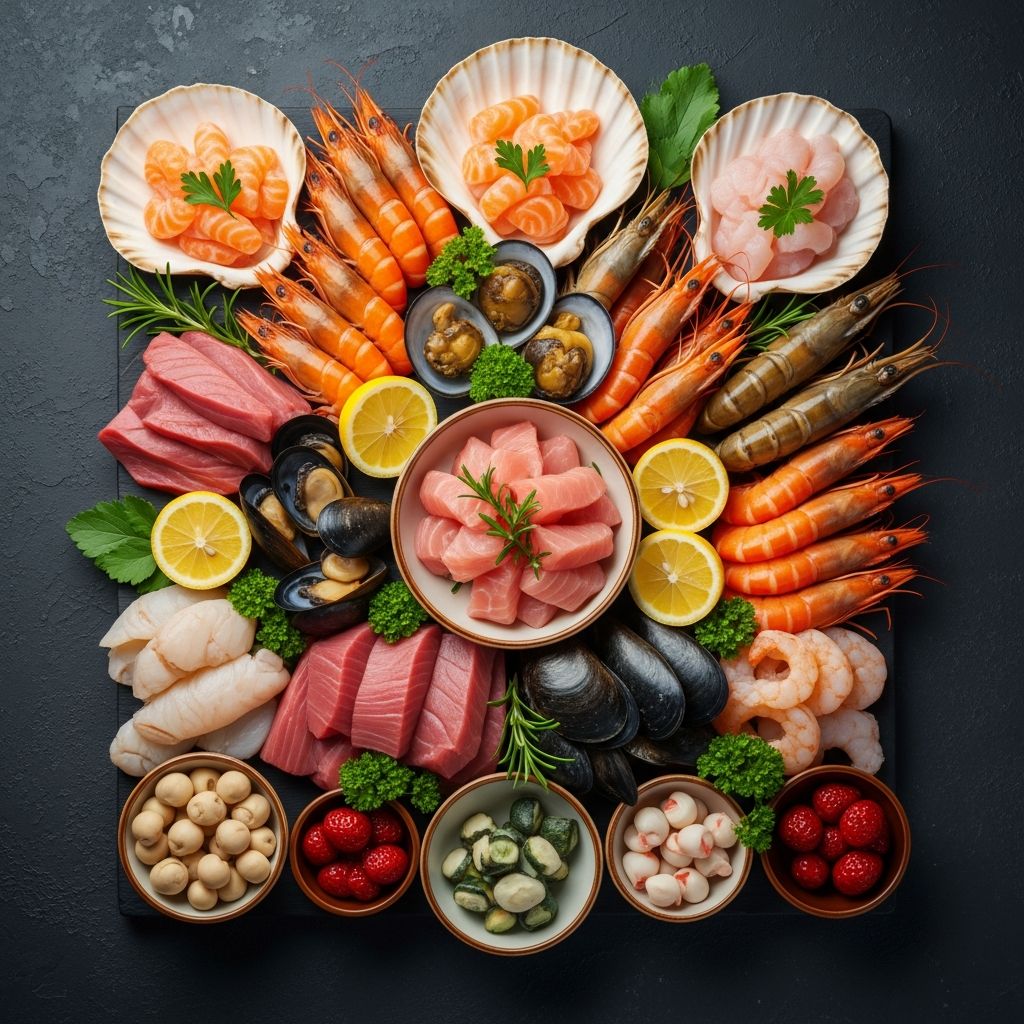
Seafood is a nutritious part of a balanced diet, but improper handling can lead to foodborne illnesses from bacteria, parasites, viruses, or toxins. By following safe practices at every stage—from selection to serving—you can significantly lower these risks. This guide covers essential steps based on recommendations from authoritative health agencies.
Why Seafood Can Cause Food Poisoning
Pathogens like Vibrio, Salmonella, and Listeria may be present in seafood at harvest or introduced during handling. Shellfish from contaminated waters can harbor norovirus or bacteria, while finfish might contain parasites. Toxins like ciguatera in tropical fish or scombroid from improper storage are heat-stable and unaffected by cooking. Keeping seafood cold below 40°F limits bacterial growth, while thorough cooking destroys most pathogens.
The U.S. Food and Drug Administration (FDA) emphasizes prevention through the “clean, separate, cook, chill” framework. Vulnerable groups—pregnant women, young children, older adults, and immunocompromised individuals—face higher risks and should avoid raw or undercooked seafood.
Selecting Fresh Seafood
Choose seafood from reputable sources adhering to Hazard Analysis and Critical Control Points (HACCP) plans, mandatory for processors since 1997. HACCP identifies hazards at every step, from harvest to distribution, ensuring safety through monitoring and records.
- Fresh fish: Look for firm flesh, clear eyes, red gills, and a mild ocean scent—no ammonia odor. Fillets should be moist without discoloration.
- Shellfish: Live clams, mussels, oysters should be in tightly closed shells or close when tapped. Shucked shellfish must smell fresh.
- Frozen seafood: Packages should be solidly frozen, free of ice crystals or freezer burn, with no discoloration or off odors upon thawing.
State health departments inspect harvest waters, closing beds if bacterial levels are high. Avoid sport-caught fish from contaminated areas without checking advisories.
Storing Seafood Safely
Proper storage prevents bacterial growth. Refrigerate fresh seafood below 40°F or freeze below 0°F immediately upon purchase.
| Type of Seafood | Refrigerator Storage (below 40°F) | Freezer Storage (below 0°F) |
|---|---|---|
| Fresh fish fillets/steaks | 1-2 days | Up to 3-8 months |
| Shellfish (live) | Until cooking (same day) | Not recommended |
| Shucked shellfish | 1-2 days | 3-6 months |
| Cooked seafood | 3-4 days | 4-6 weeks |
Place seafood in the coldest fridge part, on the bottom shelf to avoid drips. Use plastic bags in the shopping cart to prevent cross-contamination. Thaw frozen seafood in the fridge, cold water (changed every 30 minutes), or microwave—never at room temperature.
Preparing Seafood
Hygiene is critical during preparation to avoid cross-contamination, where bacteria transfer from raw seafood to ready-to-eat foods via hands, utensils, or surfaces.
- Wash hands with soap for 20 seconds before and after handling raw seafood, after using the bathroom, or touching dirty surfaces.
- Use separate cutting boards and utensils for raw seafood; wash with hot, soapy water or in a dishwasher afterward.
- Clean counters, sinks, and tools immediately after contact. Rinse produce under running water if used alongside.
- Keep raw seafood juices away from cooked foods, even in the fridge.
Avoid letting raw juices touch other items. For shellfish, discard any that don’t open after cooking.
Cooking Seafood Thoroughly
Cooking to safe internal temperatures kills most pathogens and parasites. Use a food thermometer inserted in the thickest part.
- Finfish: 145°F for 15 seconds—flesh opaque and separates easily.
- Shrimp, lobster, scallops: 145°F—flesh milky white, firm, opaque.
- Clams, mussels, oysters: Until shells open (discard unopened); internal temp 145°F.
Freezing raw seafood for home use (e.g., -4°F for 7 days) kills parasites but not bacteria—cooking remains essential. Lightly smoked products may still harbor pathogens.
Avoiding Risks from Raw or Undercooked Seafood
Raw seafood carries high risks: Vibrio in oysters, parasites in sushi-grade fish. Freezing helps with parasites, but pathogens persist. High-risk groups should never consume raw finfish, shellfish, or refrigerated smoked seafood like lox (unless cooked in a dish).
Scombroid poisoning from histamine in improperly chilled fish mimics allergies. Ciguatera from reef fish causes neurological symptoms. Always cook thoroughly for safety.
Special Considerations for High-Risk Groups
Pregnant women, nursing mothers, young children, elderly, and immunocompromised individuals should:
- Avoid raw/undercooked seafood, refrigerated smoked products, and high-mercury fish (shark, swordfish, king mackerel, tilefish).
- Limit albacore tuna to 6 oz/week.
- Check EPA/FDA advisories for sport fish; trim skin/fat to reduce contaminants like PCBs.
They can safely eat 8-12 oz/week of low-mercury options like shrimp, salmon, canned light tuna, pollock.
Contaminants in Seafood
Besides microbes, seafood may contain mercury, PCBs, or pesticides. Choose low-mercury varieties and follow portion guidelines. For sport fish, consult state advisories.
Frequently Asked Questions (FAQs)
Is it safe to eat raw oysters?
Raw oysters can carry Vibrio; cooking to 145°F is safest. High-risk groups should avoid them entirely.
How do I know if seafood is fresh?
Fresh seafood smells like the ocean, has firm texture, and shows no discoloration. Buy from HACCP-certified sellers.
Can I refreeze thawed seafood?
Yes, if thawed in the fridge and still icy-cold; otherwise, cook it first. Quality may decline.
What if shellfish don’t open during cooking?
Discard them—they may be dead and unsafe.
Does freezing kill all bacteria in seafood?
No, it kills parasites but not bacteria like Vibrio; cook thoroughly.
Conclusion: Empower Safe Seafood Enjoyment
By selecting quality seafood, storing it properly, preparing hygienically, and cooking to 145°F, you minimize food poisoning risks. These practices, rooted in FDA and CDC guidelines, allow safe enjoyment of seafood’s health benefits like omega-3s.
References
- Seafood Safety Overview — Seafood Health Facts. Accessed 2026. https://www.seafoodhealthfacts.org/safety/seafood-safety-overview/
- Seafood Food Safety — Seafood Nutrition Partnership. 2018-04. https://www.seafoodnutrition.org/wp-content/uploads/2018/04/Seafood-Food-Safety.pdf
- Safe Handling of Seafood — Clemson University HGIC. Accessed 2026. https://hgic.clemson.edu/factsheet/safe-handling-of-seafood/
- Seafood Safety and Quality: The Consumer’s Role — PMC/NIH. 2017. https://pmc.ncbi.nlm.nih.gov/articles/PMC5302431/
- Preventing Food Poisoning — CDC. Accessed 2026. https://www.cdc.gov/food-safety/prevention/index.html
- Eat Fish and Shellfish in a Healthy Way — US EPA. Accessed 2026. https://www.epa.gov/choose-fish-and-shellfish-wisely/eat-fish-and-shellfish-healthy-way
- Seafood — FDA. Accessed 2026. https://www.fda.gov/food/resources-you-food/seafood
Similar Articles




Read full bio of medha deb