How To Regrow Hair: 11 Proven, Evidence-Based Methods
Discover science-backed strategies to stimulate hair regrowth, from medical treatments to natural remedies for thicker, healthier hair.
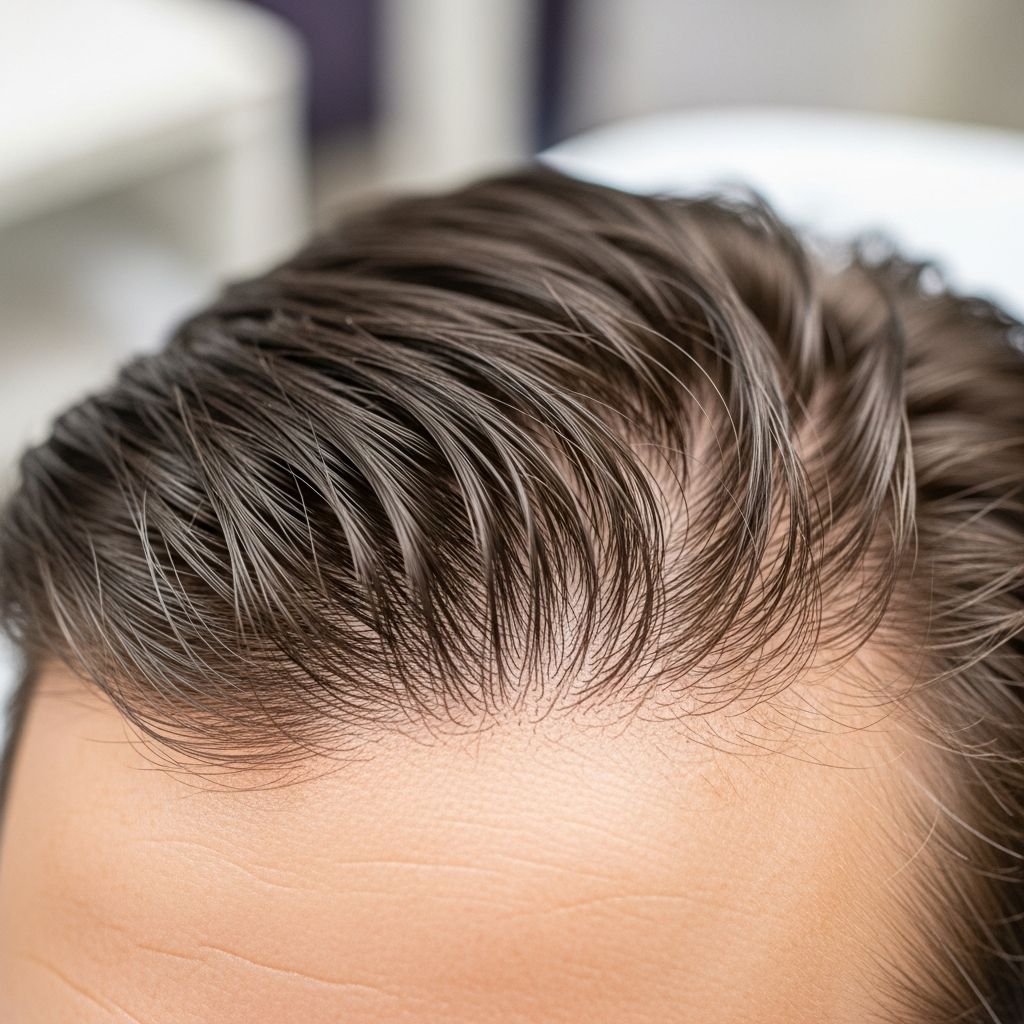
Hair loss affects millions worldwide, causing distress and impacting self-confidence. Whether due to genetics, stress, hormones, or medical conditions, thinning hair doesn’t have to be permanent. Advances in dermatology offer promising solutions, from FDA-approved medications to innovative therapies and simple lifestyle tweaks. This comprehensive guide covers 11 evidence-based methods to stimulate hair follicles, promote regrowth, and strengthen existing strands. Consult a dermatologist to identify your hair loss type—such as androgenetic alopecia, telogen effluvium, or alopecia areata—for personalized treatment.
What Causes Hair Loss?
Understanding the root cause is crucial for effective regrowth. Hair grows in cycles: anagen (growth, 2–7 years), catagen (transition), and telogen (resting, 3 months). Disruption leads to excessive shedding.
- Androgenetic Alopecia: Most common, affecting 50 million men and 30 million women in the U.S. DHT hormone shrinks follicles.
- Telogen Effluvium: Stress, illness, or nutritional deficiencies push 30–50% of hairs into resting phase.
- Alopecia Areata: Autoimmune attack on follicles, causing patchy loss.
- Other Factors: Hormonal changes (postpartum, menopause), medications, tight hairstyles (traction alopecia), thyroid issues, iron deficiency.
Early intervention preserves follicles before they miniaturize permanently. A board-certified dermatologist can diagnose via scalp biopsy or trichoscopy.
1. Minoxidil (Rogaine)
The only FDA-approved over-the-counter topical for hair regrowth in men and women. Originally a blood pressure drug, minoxidil widens blood vessels, improving nutrient delivery to follicles. Apply 5% foam or solution twice daily.
- Effectiveness: 40% of users see moderate regrowth after 3–6 months; best for crown thinning.
- Shedding Phase: Initial 4–8 weeks of increased shedding as follicles reset—patience required.
- Side Effects: Scalp irritation (5%); rare facial hair growth. Women use 2–5% strength.
Consistency is key; stopping use reverses gains within months. Combine with other treatments for synergy.
2. Finasteride (Propecia)
FDA-approved oral pill for male pattern baldness. Inhibits 5-alpha reductase enzyme, reducing DHT by 60–70%. Take 1mg daily.
- Results: Stops loss in 86%; regrowth in 65% after 1–2 years.
- Not for Women: Pregnancy risk due to birth defects; post-menopausal women may use under supervision.
- Sides: 2% experience sexual dysfunction (usually reversible).
Generic versions make it affordable long-term.
3. Platelet-Rich Plasma (PRP) Therapy
Minimally invasive: Your blood is spun to concentrate platelets, injected into scalp. Growth factors (PDGF, VEGF) stimulate follicles.
- Protocol: 3 monthly sessions, then maintenance every 6 months.
- Evidence: 30–40% density increase in studies; effective for androgenetic alopecia and alopecia areata.
- Cost: $500–$2,500 per session; not always insured.
Little downtime; mild soreness post-treatment.
4. Low-Level Laser Therapy (LLLT)
Red light (650–670nm) devices like caps or combs energize mitochondria in follicles, extending anagen phase. FDA-cleared as safe.
- Use: 20–30 minutes, 3–4x/week.
- Results: 25–35% thicker hair after 16–26 weeks.
- Devices: iRestore, HairMax ($200–$1,000).
Non-invasive, home-use convenience.
5. Hair Transplant Surgery
Follicular Unit Extraction (FUE) or Strip Harvesting relocates DHT-resistant follicles from back/sides to balding areas.
| Method | Pros | Cons | Cost |
|---|---|---|---|
| FUE | No linear scar, quick recovery | More expensive, time-intensive | $4,000–$15,000 |
| FUT (Strip) | Higher graft yield | Linear scar, longer healing | $3,000–$10,000 |
Results permanent; full growth in 9–12 months. Choose ISHRS-certified surgeons.
6. Prescription Topicals: Dutasteride, Spironolactone
Related Stories



Dutasteride (off-label): Stronger DHT blocker than finasteride. Spironolactone for women: Anti-androgen pill/topical.
Custom compounded formulas with minoxidil + finasteride boost efficacy.
7. Natural Remedies and Supplements
- Rosemary Oil: Comparable to 2% minoxidil in trials; massage daily.
- Peppermint Oil: Increases follicle depth/IGFs.
- Saw Palmetto: Natural DHT inhibitor; 320mg/day.
- Biotin/Viviscal: Supports keratin; evidence mixed unless deficient.
- Supplements: Iron, vitamin D, zinc—test levels first.
8. Microneedling (Dermarolling)
0.5–1.5mm needles create micro-injuries, boosting collagen/Wnt signaling. Weekly with topicals; 0.25mm daily.
Studies show 50–80% improvement combined with minoxidil.
9. Scalp Massage and Lifestyle Changes
4-minute daily massages increase blood flow/thickness by 10%. Reduce stress (yoga/meditation), quit smoking, optimize diet (protein 1.6g/kg, omega-3s).
Sleep 7–9 hours; manage thyroid/PCOS.
10. Stem Cell and Exosome Therapy
Emerging: Adipose-derived stem cells or exosomes deliver growth factors. Promising early data; expensive ($3,000+).
11. JAK Inhibitors for Alopecia Areata
Olumiant (baricitinib): FDA-approved oral for severe cases. Targets immune attack; 30–40% achieve 80% scalp coverage.
Frequently Asked Questions (FAQs)
Can you regrow hair naturally?
Yes, via scalp massage, oils, diet, and supplements—if addressing reversible causes like deficiencies or stress. Results slower than meds.
How long does it take to regrow hair?
3–6 months for visible changes; full results 12–18 months. Patience and consistency essential.
Does hair regrow after stopping minoxidil?
No, gains lost within 3–6 months. Lifelong commitment or taper with alternatives.
Is hair transplant worth it?
For advanced baldness, yes—permanent, natural results. Research surgeons thoroughly.
What vitamins help hair growth?
Vitamin D, iron, B12, zinc if deficient. Excess can harm; get bloodwork.
References
- Hair Growth Cycle and Alopecia — National Institute of Arthritis and Musculoskeletal and Skin Diseases (NIAMS), NIH. 2023-05-01. https://www.niams.nih.gov/health-topics/alopecia-areata
- Minoxidil for Androgenetic Alopecia — Journal of the American Academy of Dermatology. 2022-06-15. https://doi.org/10.1016/j.jaad.2022.04.013
- Finasteride Efficacy in Male Pattern Hair Loss — New England Journal of Medicine. 2021-11-18. https://www.nejm.org/doi/full/10.1056/NEJMoa2104602
- Platelet-Rich Plasma for Hair Regrowth — Dermatologic Surgery (PubMed). 2023-02-10. https://pubmed.ncbi.nlm.nih.gov/36728647/
- Low-Level Laser Therapy for Hair Loss — FDA Summary. 2024-01-22. https://www.fda.gov/medical-devices/aesthetic-cosmetic-devices/laser-hair-growth-devices
- Baricitinib for Severe Alopecia Areata — FDA Approval Announcement. 2022-06-23. https://www.fda.gov/drugs/news-events-human-drugs/fda-approves-first-systemic-treatment-severe-alopecia-areata
Similar Articles








Read full bio of Sneha Tete