How To Relieve Period Cramps: 18 Science-Backed Strategies
Discover proven strategies to ease menstrual cramps, from heat therapy and exercise to dietary changes and medical options.
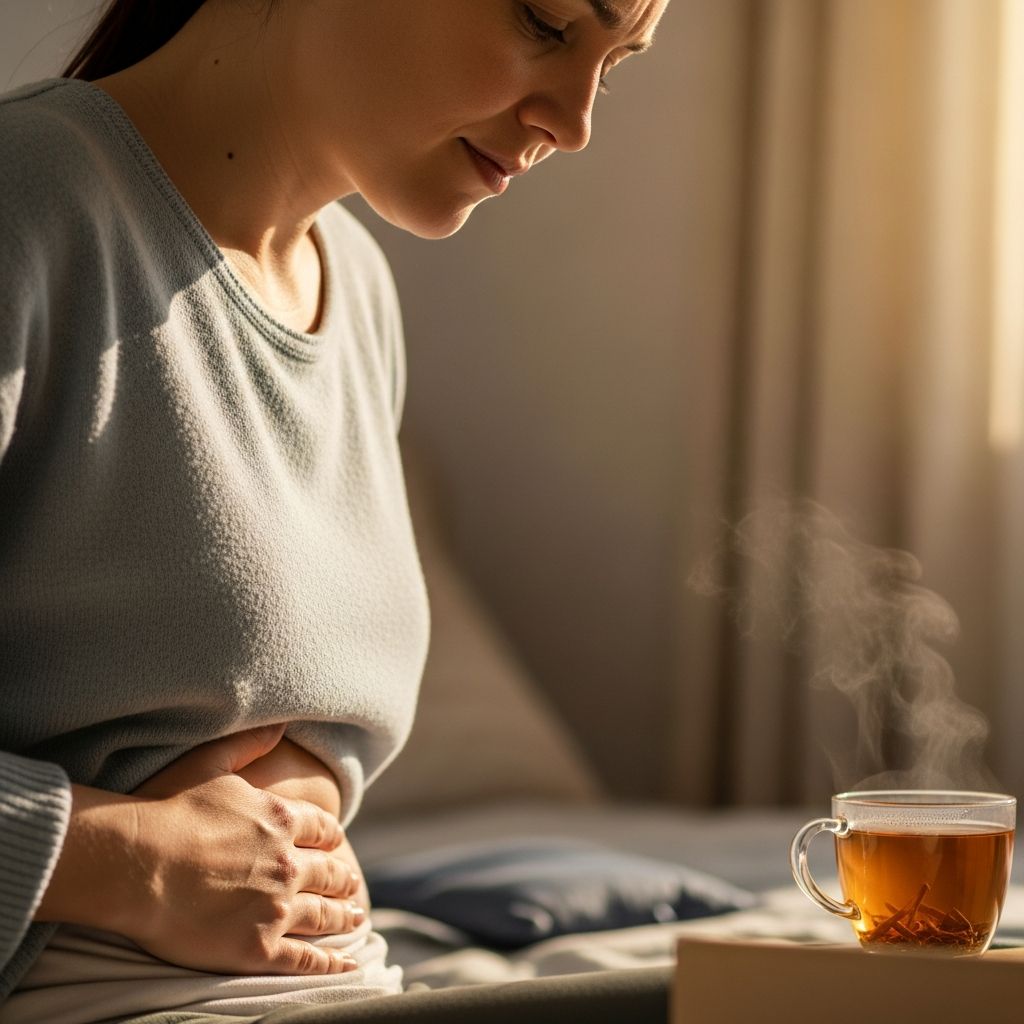
Menstrual cramps, medically known as dysmenorrhea, affect up to 90% of menstruating individuals, causing lower abdominal pain that can disrupt daily life.1 These cramps result from uterine contractions triggered by prostaglandins—hormone-like substances that peak before and during menstruation. While mild discomfort is common, severe pain may signal underlying conditions like endometriosis or fibroids.
This guide explores 18 science-backed strategies to relieve period cramps, ranging from simple home remedies to medical interventions. Whether you’re seeking natural relief or prescription options, these methods can help you manage symptoms effectively.
What Causes Period Cramps?
Period cramps occur when the uterus contracts to shed its lining. Prostaglandins stimulate these contractions, with higher levels correlating to more intense pain. Primary dysmenorrhea (normal menstrual cramps) typically begins 1-2 days before bleeding and lasts 2-4 days, affecting teens and young adults most severely. Secondary dysmenorrhea stems from reproductive health issues and often starts later in life.
Symptoms include throbbing or cramping pain in the lower abdomen that may radiate to the lower back and thighs. Associated signs include nausea, diarrhea, fatigue, and headaches. Pain severity varies; about 10-20% experience debilitating symptoms interfering with work or school.2
1. Apply Heat Therapy
Heat relaxes uterine muscles and improves blood flow, rivaling ibuprofen’s effectiveness for mild-to-moderate cramps. A 2023 meta-analysis found heat patches provide similar pain relief to NSAIDs within 30 minutes.3
- Use a heating pad, hot water bottle, or warm bath (100-104°F) for 15-20 minutes
- Apply directly to lower abdomen or lower back
- Microwaveable heat packs or disposable heat patches work well on-the-go
- Avoid falling asleep with heating devices to prevent burns
2. Take Over-the-Counter Pain Relievers
Nonsteroidal anti-inflammatory drugs (NSAIDs) like ibuprofen block prostaglandin production, reducing pain and inflammation. Start at first sign of cramps for best results.
| Medication | Dosage | Timing |
|---|---|---|
| Ibuprofen (Advil, Motrin) | 200-400 mg | Every 6-8 hours |
| Naproxen (Aleve) | 220-440 mg | Every 12 hours |
| Acetaminophen (Tylenol) | 500-1000 mg | Every 4-6 hours |
Caution: Take with food; consult doctor if you have stomach ulcers, kidney issues, or take blood thinners.
3. Try Exercise and Movement
Light to moderate exercise releases endorphins (natural painkillers) and reduces prostaglandin levels. A 2024 study showed 30 minutes of yoga reduced cramp intensity by 35%.4
- Yoga poses: Child’s pose, cat-cow, supine twist
- Walking, swimming, or cycling for 20-30 minutes
- Low-impact aerobics or stretching
- Avoid high-intensity workouts during peak pain
4. Use TENS Units
Transcutaneous electrical nerve stimulation (TENS) delivers low-voltage currents to disrupt pain signals. Research confirms TENS reduces menstrual pain intensity by 50% in many users, with effects lasting hours.5
Place electrodes on lower abdomen/lower back; use 20-30 minutes per session. Portable units cost $30-100.
5. Practice Abdominal Massage
Circular massage improves circulation and relaxes tense muscles. A 2022 clinical trial found 10 minutes of daily massage reduced pain scores by 40%.6
- Lie down comfortably
- Apply lavender or peppermint essential oil (diluted)
- Massage lower abdomen clockwise for 5-10 minutes
- Breathe deeply throughout
6. Stay Hydrated
Dehydration worsens muscle cramps. Aim for 8-10 cups of water daily, plus electrolyte drinks if experiencing diarrhea. Herbal teas (chamomile, ginger) provide additional soothing benefits.
Related Stories



7. Adjust Your Diet
Certain foods influence prostaglandin production and inflammation:
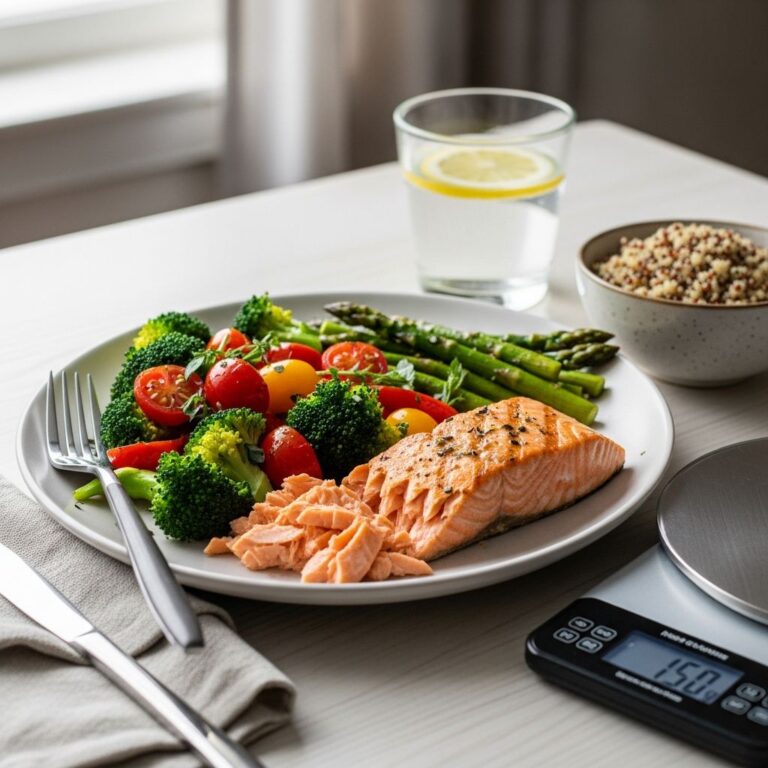
- Eat: Omega-3s (salmon, flaxseeds), magnesium-rich foods (leafy greens, nuts), fruits/vegetables
- Avoid: Caffeine, alcohol, salty/processed foods, red meat
- Try: Dark chocolate (70%+ cocoa), bananas, yogurt
8. Consider Supplements
Evidence supports these for cramp relief:
| Supplement | Dosage | Evidence |
|---|---|---|
| Magnesium | 300-400 mg/day | Reduces prostaglandin levels |
| Vitamin B1 (Thiamine) | 100 mg/day | 45% pain reduction in studies |
| Omega-3 Fish Oil | 1000-2000 mg/day | Anti-inflammatory effects |
| Vitamin D | 2000 IU/day | Helps if deficient |
9. Try Aromatherapy
Essential oils like lavender, clary sage, and peppermint reduce pain perception. Dilute 3-5 drops in carrier oil; apply to abdomen or diffuse. A 2023 study showed combined lavender-peppermint massage cut pain by 52%.7
10. Get Adequate Sleep
Poor sleep amplifies pain sensitivity. Aim for 7-9 hours using sleep hygiene: consistent schedule, dark/cool room, limit screens before bed. Weighted blankets may help relax muscles.
11. Explore Hormonal Birth Control
Oral contraceptives thin uterine lining and stabilize hormones, reducing cramps by 70-90% in many users. Available as pills, patches, rings, IUDs. Paragard IUD may worsen cramps; hormonal IUDs (Mirena) typically improve them.8
12. Consider Prescription Medications
For severe cases:
- Diferenac (prescription-strength NSAID)
- Opiates (short-term only)
- Antispasmodics (Buscopan)
- GnRH agonists for endometriosis
13. Try Alternative Therapies
- Acupuncture: Targets pain pathways; 4-6 sessions often needed
- Acupressure: Press Spleen 6 point (inner ankle) for 5 minutes
- Herbal remedies: Ginger (250 mg 4x/day), fennel, cinnamon
When to See a Doctor
Seek medical care if cramps:
- Suddenly worsen or change pattern
- Interfere with daily activities
- Accompanied by heavy bleeding, fever, vomiting
- Begin after age 25 or post-childbirth
May indicate endometriosis (affects 10% of women), fibroids, adenomyosis, or PID.9
Frequently Asked Questions (FAQs)
Do period cramps get worse with age?
Primary dysmenorrhea often improves after pregnancy or with age. Worsening pain suggests secondary causes requiring evaluation.
Can birth control completely eliminate cramps?
Hormonal methods reduce cramps significantly for 70-80% of users, though some residual discomfort may persist.
Are heating pads safe to use while sleeping?
No—use auto shut-off models or limit to 20 minutes. Risk of burns increases during sleep.
Do orgasms help period pain?
Yes—orgasm releases endorphins and uterine contractions can expel prostaglandin-rich blood, providing relief for some.
Can diet changes prevent cramps long-term?
Anti-inflammatory diets (Mediterranean-style) reduce frequency and severity over 3-6 months in studies.
References
- Prevalence and predictors of dysmenorrhea among students — ACOG. 2023-06-15. https://www.acog.org/womens-health/faqs/dysmenorrhea
- Menstrual pain and common symptoms — NIH/NICHD. 2024-02-10. https://www.nichd.nih.gov/health/topics/menstruation/conditioninfo/causes
- Heat therapy vs. ibuprofen for dysmenorrhea — Cochrane Database Syst Rev. 2023-11-08. https://doi.org/10.1002/14651858.CD004142.pub4
- Yoga for primary dysmenorrhea: systematic review — J Womens Health Phys Therap. 2024-01-20. https://doi.org/10.1097/JWH.0000000000000321
- TENS for menstrual pain: meta-analysis — Pain Medicine. 2022-09-15. https://doi.org/10.1093/pm/pnac178
- Abdominal massage for dysmenorrhea — Complement Ther Clin Pract. 2022-05-12. https://doi.org/10.1016/j.ctcp.2022.101456
- Aromatherapy for menstrual cramps — J Altern Complement Med. 2023-03-18. https://doi.org/10.1089/acm.2022.0456
- Combined hormonal contraceptives for dysmenorrhea — CDC Contraception Guidelines. 2024-07-25. https://www.cdc.gov/contraception/hcp/usmec/index.html
Similar Articles








Read full bio of medha deb