How to Relieve Sinus Pressure: Fast & Effective Relief
Discover proven methods to ease sinus pressure and congestion with effective at-home remedies.
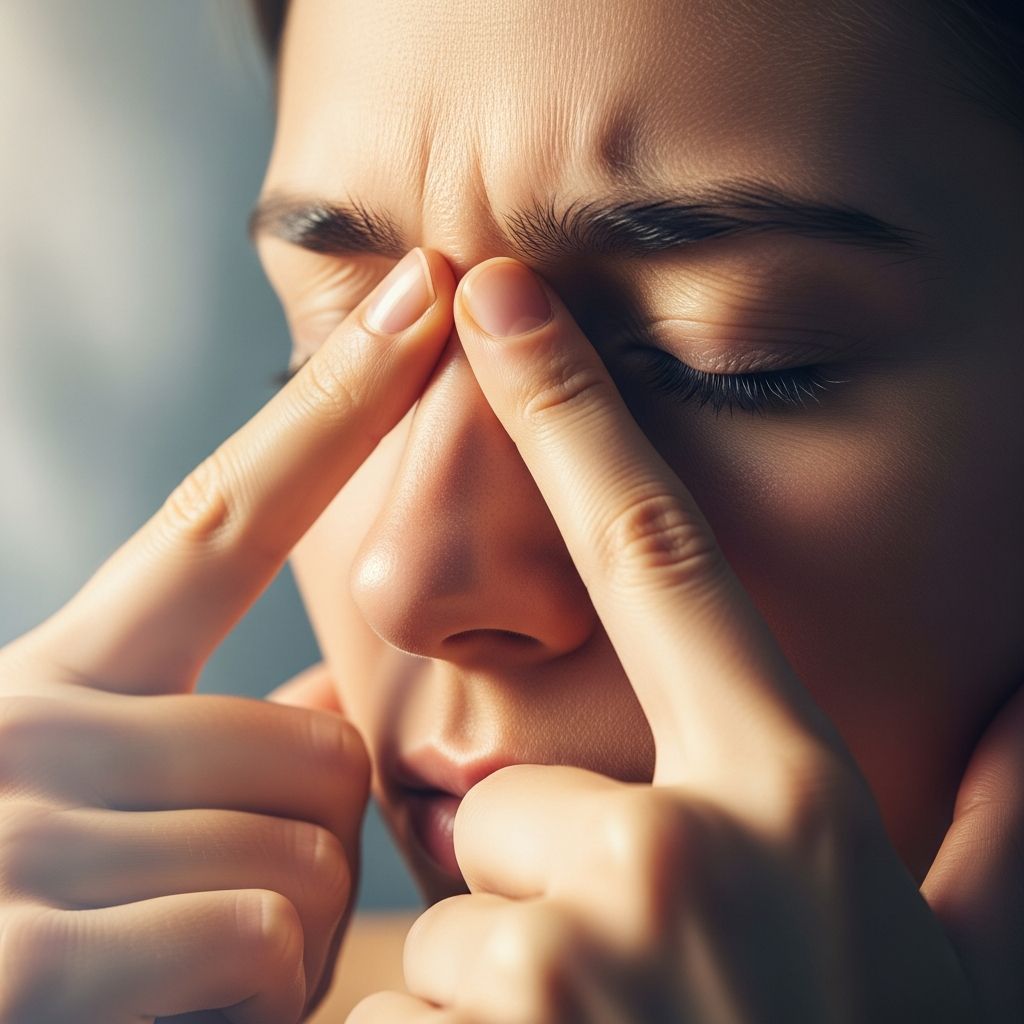
Sinus pressure can be an uncomfortable and sometimes painful condition that affects millions of people each year. Whether caused by seasonal allergies, the common cold, or a sinus infection, the swelling and excess mucus production that occurs in your sinuses can lead to discomfort ranging from a dull ache to serious throbbing pain. Understanding what causes sinus pressure and knowing the most effective relief methods can help you manage symptoms quickly and get back to feeling normal.
Understanding Sinus Pressure
Sinus pressure occurs when your sinuses—the air-filled pockets in your face—become swollen and congested. When the external pressure increases and there’s no clear way for air to move in or out, these pockets swell, creating a painful sensation. The swelling and excess mucus production that occurs during a sinus infection or bout of bad allergies contributes to this discomfort. Additionally, any position change that puts your head below your heart increases blood flow to your face and head, which can lead to pulsations within the sinuses that feel particularly painful.
Top Methods to Relieve Sinus Pressure
Saline Rinse
Starting with a saline rinse kit is one of the most recommended first-line treatments for sinus pressure relief. The goal of saline irrigation is to clean out your nasal passages—essentially your body’s air filter—and flush away whatever irritant is causing the swelling or excess mucus production. Nasal irrigation tools like Neti Pots and similar devices use a salt and water solution to effectively rinse your nasal passages. When using these tools, it’s crucial to use distilled water only, as tap water or distilled water by itself can irritate your sinuses. Ready-made over-the-counter saline solutions are ideal because they have the correct concentration of salt and water to match your nasal passages without causing irritation.
Keep Your Head Elevated
One of the simplest yet most effective ways to reduce sinus pressure is to maintain proper head elevation. Keeping your head elevated above the level of your heart as much as possible is beneficial for reducing sinus pain and pressure. This is particularly important when you sleep. When you rest, try propping yourself up with a couple of pillows—this elevation helps promote proper blood flow and drainage while allowing you to breathe more comfortably. By avoiding dependent positions that put your head below your heart, you can prevent the increased blood flow to your face and head that leads to painful pulsations within the sinuses.
Warm Compress Application
When it comes to temperature, heat is more effective than cold for sinus pressure relief. A warm compress is helpful for relieving sinus pain since it can help lessen the pressure felt in your sinuses and may help open up blocked passages. An easy way to apply a warm compress is to run a washcloth under hot water and apply the warm, damp towel to your face for a few minutes at a time. You can repeat this treatment several times a day if needed. Some people find alternating between a warm compress for 3 minutes, followed by a cool towel for 30 seconds, can loosen mucus and further open nasal passages.
Related Stories



Stay Hydrated
Proper hydration plays a critical role in managing sinus pressure. When you’re dehydrated, the consistency of your mucus changes—becoming much thicker. Thicker mucus flows more slowly through your sinuses, leading to increased blockage and pressure. Drinking plenty of water throughout the day helps keep your mucus thin and easier to drain. It’s important to drink lots of fluids like water or juice to help thin your mucus, while avoiding caffeinated or alcoholic beverages, which can cause dehydration and worsen your symptoms.
Use Steam Inhalation
Steam is an effective tool for clearing nasal passages and relieving sinus congestion. You can create a steam treatment by placing a pot or bowl of warm water on a stable surface, then leaning over it so your face is a few inches from the water’s surface. Cover your head with a towel and breathe deeply for several minutes. Alternatively, taking a hot, steamy shower provides similar benefits. If you prefer to use a humidifier or vaporizer in your room while you sleep, this adds moisture to the air and helps reduce congestion. When using these devices, ensure you use filtered water or distilled water, change the water each time, and let the device dry out between uses to prevent mold or bacteria growth.
Nasal Decongestant Sprays
For sinus pressure accompanied by significant nasal congestion, nasal decongestant sprays can provide temporary relief. These sprays work by reducing swelling in the blood vessels in your sinuses. If you have a really bad cold and severe congestion, a nasal decongestant spray can help open up the sinuses. You might even take this opportunity to follow up with a nasal rinse to really clear out the contaminants leading to problems in your nose. However, it’s crucial to be cautious with these products: they’re addictive and can lead to rebound congestion if used too long. Avoid using a nasal decongestant spray for more than three days to prevent dependency.
Over-the-Counter Pain Relievers
For occasional sinus pain and pressure, over-the-counter medications can provide relief. Nonsteroidal anti-inflammatory drugs (NSAIDs) like ibuprofen tend to work better for sinus pressure than acetaminophen-based painkillers. NSAIDs help temporarily reduce some of the swelling that’s causing discomfort. Two of the most common options for pain relievers when you have sinus pressure are ibuprofen and acetaminophen. If you have another medical condition, consult your doctor to determine which pain reliever is best for you.
Sinus Massage
Many people prone to sinus pressure find relief through sinus massage. While scientific evidence supporting the effectiveness of massage for sinus pain relief is limited, the practice won’t cause any harm. Generally speaking, massaging increases blood flow to the area. If sinus massage makes you feel better, there’s no reason to stop—it’s not going to cause problems. You can use your fingers to press firmly on both sides of your face next to your nostrils, just below the cheekbones, or directly between your eyebrows to stimulate pressure relief points.
Spicy Foods
Eating spicy foods can help clear your nasal passages naturally. Adding hot peppers, hot sauce, horseradish, or wasabi to your meals may provide temporary relief from congestion. The compounds in spicy foods can stimulate nasal secretions and help open airways.
Vitamin C and Antihistamines
Vitamin C may help fight off sinus infections faster, reduce sinus inflammation, and relieve the duration of sinus infection or cold symptoms. Antihistamines can also help reduce allergy-related sinus pressure. Prior to allergy season, consider starting vitamin C supplementation and antihistamines, or use a Neti pot right away at the onset of cold symptoms to prevent pressure buildup.
Medications and Treatment Options
Beyond home remedies, several over-the-counter medications can assist in sinus pressure relief:
- Decongestants: These work by reducing the swelling in blood vessels in your sinuses. Some decongestants are pills like pseudoephedrine, while others are nasal sprays. Carefully read instructions for side effects and rebound effects.
- Antihistamines: These help control allergic reactions that contribute to sinus pressure and congestion.
- Expectorants: These work by thinning and loosening mucus in your sinuses to reduce congestion that might contribute to sinus pressure.
- Pain relievers: NSAIDs and acetaminophen can help manage pain, though NSAIDs are generally more effective for sinus-related discomfort.
Lifestyle and Environmental Adjustments
Rest and Recovery: Rest helps your body fight infection and speed up recovery. When you sleep, your body has time to recover and repair, and it can also lessen inflammation. Extra rest may help your body fight off an infection or reduce the swelling in your sinuses.
Avoid Irritants: Exposure to dry air, tobacco smoke, and chlorinated water can irritate the mucus membranes in your nose and create an environment ripe for sinus infection. When you have sinus pressure, certain activities can make the pain and pressure worse, so try to put your to-do list aside and prioritize rest.
Know Your Triggers: Knowing your personal triggers can help you be prepared when sinus pressure hits. By identifying what causes your sinus issues—whether allergies, certain environments, or specific activities—you can take preventive measures.
Comparison of Relief Methods
| Relief Method | How It Works | Time to Relief | Best For |
|---|---|---|---|
| Saline Rinse | Flushes irritants and mucus from nasal passages | Immediate to 30 minutes | All sinus pressure types |
| Head Elevation | Improves blood flow and drainage | 30 minutes to 2 hours | Nighttime relief |
| Warm Compress | Opens passages and reduces pressure sensation | 5-15 minutes | Localized pain |
| Hydration | Thins mucus for easier drainage | 1-2 hours | Ongoing management |
| Steam Inhalation | Moisturizes and opens nasal passages | 10-20 minutes | Congestion relief |
| Decongestant Spray | Reduces blood vessel swelling | 5-15 minutes | Severe congestion (short-term) |
| NSAIDs | Reduces inflammation and pain | 30 minutes to 1 hour | Pain and swelling |
Frequently Asked Questions
Q: How long does sinus pressure typically last?
A: The duration depends on the underlying cause. Pressure from a common cold usually resolves in 7-10 days, while allergy-related pressure may persist longer. If symptoms continue beyond 10 days or worsen, consult a healthcare provider.
Q: Can I use a Neti pot daily?
A: Yes, you can use a Neti pot daily for maintenance, but ensure you always use distilled water or a saline solution to avoid irritation or infection.
Q: Is it safe to use nasal decongestant sprays long-term?
A: No. Nasal decongestant sprays should not be used for more than three consecutive days, as prolonged use can lead to rebound congestion and dependency.
Q: Which is better for sinus pressure: heat or cold?
A: Heat is generally more effective for sinus pressure relief. Warm compresses help open sinuses and reduce pain, though some people find alternating warm and cool compresses helpful.
Q: When should I see a doctor for sinus pressure?
A: Seek medical attention if sinus pressure persists beyond 10 days, is accompanied by fever, has thick colored discharge, affects your vision, or causes severe pain unrelieved by home remedies.
Q: Can dehydration worsen sinus pressure?
A: Yes. Dehydration thickens mucus, making it harder to drain and increasing sinus pressure. Drinking plenty of water helps keep mucus thin and promotes better drainage.
Q: Are there natural alternatives to decongestant medications?
A: Yes. Natural alternatives include saline rinses, steam inhalation, warm compresses, spicy foods, proper hydration, and elevation. These methods can provide relief without medication side effects.
References
- How to Relieve Sinus Pressure: The Fastest Way to Get Relief — Houston Methodist. 2024. https://www.houstonmethodist.org/blog/articles/2024/feb/whats-the-fastest-way-to-get-sinus-pressure-relief/
- Ten Home Remedies to Relieve Sinus Pain and Pressure — Allina Health. https://www.allinahealth.org/healthysetgo/heal/ten-home-remedies-to-relieve-sinus-pain-and-pressure
- Feeling the Pressure? Strategies and Treatments for Sinus Headache Relief — BSW Health. https://www.bswhealth.com/blog/feeling-the-pressure-strategies-and-treatments-for-sinus-headache-relief
- Sinus Pressure: When You Should Worry — Teladoc Health. https://www.teladochealth.com/library/article/sinus-pressure-when-you-should-worry
Similar Articles








Read full bio of medha deb