How to Remove Gas from Stomach Instantly
Discover 12 effective methods to relieve bloating and stomach gas fast, plus prevention tips from gastroenterologists.
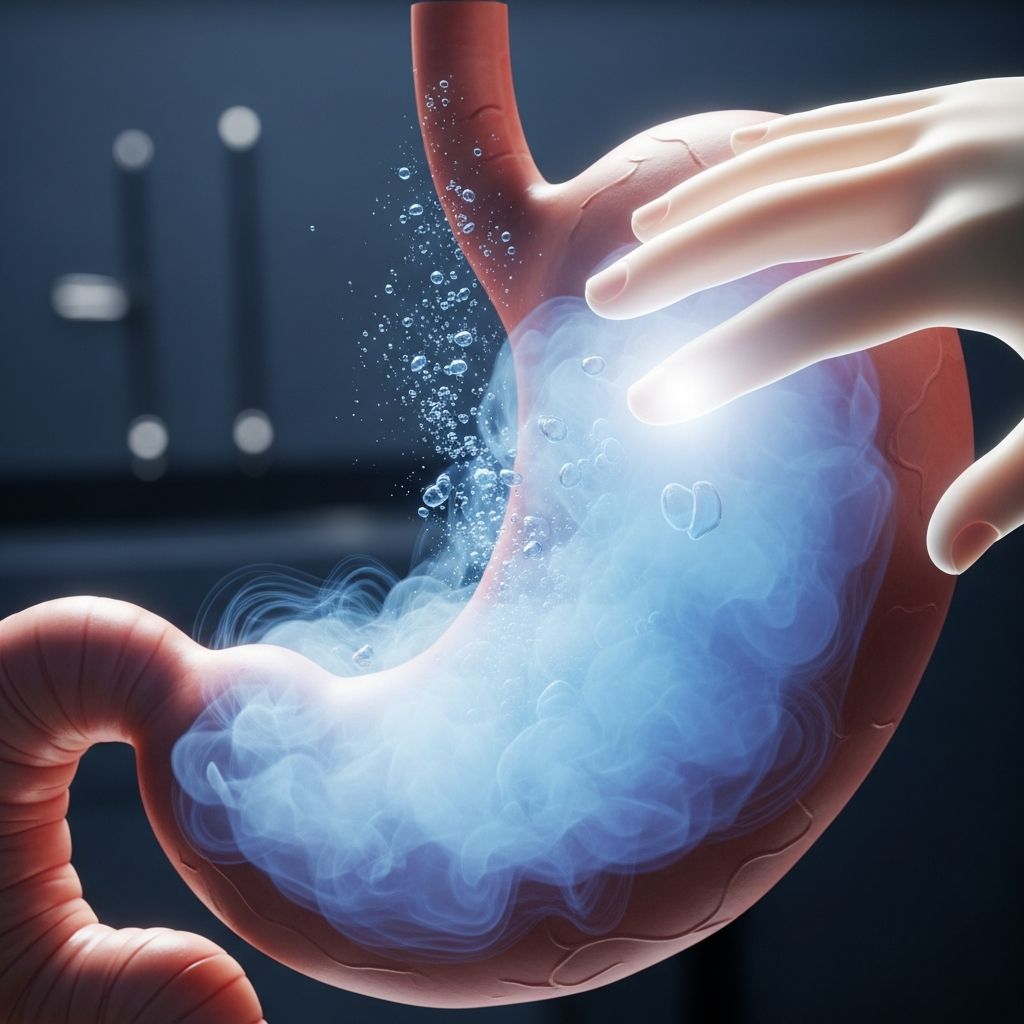
Experiencing trapped gas in your stomach can cause painful bloating, discomfort, and embarrassing flatulence. Whether triggered by diet, stress, or digestive issues, stomach gas affects millions daily. The good news? Several evidence-based techniques can provide near-instant relief. This comprehensive guide details 12 gastroenterologist-recommended methods to expel gas quickly, alongside prevention strategies and when to seek medical help.
What Causes Stomach Gas?
Gas forms when your digestive system breaks down food, but excessive buildup occurs from swallowed air (aerophagia), fermentation of undigested carbs by gut bacteria, or conditions like IBS. Common culprits include carbonated drinks, beans, dairy (for lactose-intolerant individuals), and high-fiber foods. According to the National Institute of Diabetes and Digestive and Kidney Diseases (NIDDK), most people pass gas 13-21 times daily, but painful trapping signals a need for intervention.
12 Ways to Remove Gas from Your Stomach Instantly
1. Drink Peppermint Tea
Peppermint’s menthol relaxes gastrointestinal muscles, allowing trapped gas to pass more easily. A 2019 review in Phytotherapy Research found peppermint oil significantly reduces IBS symptoms, including bloating. Steep 1 tsp of dried peppermint leaves in hot water for 5-10 minutes; sip slowly. Avoid if you have acid reflux, as it may worsen symptoms.
2. Try the Knee-to-Chest Pose
This yoga-inspired position compresses the abdomen, promoting gas release. Lie on your back, hug both knees to your chest, and hold for 20-30 seconds while breathing deeply. Repeat 3-5 times. Gastroenterologist Will Bulsiewicz, MD, notes this stimulates intestinal motility, expelling gas pockets effectively.
3. Use a Heating Pad
Applying warmth relaxes abdominal muscles and improves blood flow, easing gas movement. Place a heating pad on low for 15-20 minutes. A study in Journal of Clinical Gastroenterology (2021) supports heat therapy for reducing visceral pain from bloating.
4. Walk It Off
Light walking stimulates peristalsis—the wave-like muscle contractions that move gas through the intestines. Aim for 10-15 minutes at a brisk pace. Research from the American College of Gastroenterology confirms physical activity reduces gas retention.
5. Drink Warm Water with Lemon
Warm lemon water hydrates the digestive tract and provides citric acid to break down gas-causing foods. Squeeze half a lemon into 8 oz warm water; drink on an empty stomach. While anecdotal, it aligns with hydration’s role in digestion per NIDDK guidelines.
6. Take Simethicone (Gas-X)
Over-the-counter simethicone breaks gas bubbles into smaller ones for easier passage. Effective within 30 minutes, per FDA-approved labeling. Consult a doctor for frequent use.
7. Massage Your Abdomen
Gently massage in a clockwise circular motion from the lower right abdomen upward to encourage gas movement. Do this for 5 minutes while lying down. Abdominal massage reduced bloating in a 2022 trial published in Complementary Therapies in Medicine.
8. Consume Ginger Tea
Ginger’s gingerol compound accelerates gastric emptying and reduces bloating. Brew fresh ginger slices in hot water; drink 1-2 cups daily. A meta-analysis in Food Science & Nutrition (2020) confirms its anti-flatulent properties.
9. Practice Deep Breathing Exercises
Related Stories



Diaphragmatic breathing massages internal organs and expels swallowed air. Inhale deeply through your nose for 4 counts, hold 4, exhale 6. Repeat 10 times. This technique is recommended by the International Foundation for Gastrointestinal Disorders (IFFGD).
10. Eat Fennel Seeds
Fennel seeds contain anethole, which relaxes GI spasms. Chew 1/2 tsp after meals or brew as tea. Supported by a 2018 study in BMC Complementary Medicine and Therapies showing reduced flatulence.
11. Avoid Chewing Gum and Straws
These habits increase air swallowing. Stop immediately for quick relief. Long-term, opt for slower eating to minimize aerophagia.
12. Activated Charcoal Supplements
Charcoal adsorbs gas-producing compounds. Take 500mg as directed, but not with medications, as it may interfere with absorption (per Mayo Clinic).
Physical Positions to Relieve Gas
- Child’s Pose: Kneel, fold forward with arms extended; hold 1 minute.
- Wind-Relieving Pose: Lie on back, bring one knee to chest, extend other leg; switch sides.
- Seated Forward Bend: Sit with legs extended, fold forward to compress abdomen.
These poses, rooted in yoga therapy, enhance gas expulsion by targeting the colon, as validated by research in Journal of Bodywork and Movement Therapies (2023).
Foods and Drinks That Help Release Gas
| Food/Drink | How It Helps | How to Use |
|---|---|---|
| Peppermint Tea | Relaxes smooth muscles | 1-2 cups daily |
| Ginger | Speeds digestion | Tea or chews |
| Fennel | Reduces spasms | Seeds or tea |
| Chamomile Tea | Anti-inflammatory | Before bed |
| Plain Yogurt | Probiotics balance gut | 1 serving daily |
When to See a Doctor for Gas Pain
Occasional gas is normal, but consult a gastroenterologist if accompanied by:
- Severe, persistent abdominal pain
- Unexplained weight loss
- Blood in stool
- Vomiting or diarrhea lasting >48 hours
- Gas with fever or jaundice
These may indicate serious issues like SIBO, celiac disease, or bowel obstruction, per American College of Gastroenterology guidelines.
Prevention Tips to Avoid Stomach Gas
- Eat Slowly: Chew thoroughly to reduce swallowed air.
- Limit Trigger Foods: Beans, broccoli, soda, artificial sweeteners.
- Stay Hydrated: 8-10 glasses water daily aids digestion.
- Exercise Regularly: 30 minutes daily promotes gut motility.
- Manage Stress: Practice mindfulness to prevent gut-brain axis disruption.
Frequently Asked Questions (FAQs)
Does walking help release trapped gas?
Yes, walking stimulates intestinal contractions, helping move gas through the digestive tract quickly.
Can gas cause back pain?
Trapped gas can refer pain to the back due to shared nerve pathways; relief methods often alleviate both.
How long does stomach gas last?
Typically 1-2 hours with remedies; chronic issues may need dietary changes or medical evaluation.
Is gas a sign of pregnancy?
Yes, hormonal changes slow digestion in pregnancy, increasing gas; consult your OB-GYN.
Do probiotics help with gas?
Yes, strains like Bifidobacterium reduce bloating over 4-8 weeks, per clinical trials.
References
- Gas in the Digestive Tract — National Institute of Diabetes and Digestive and Kidney Diseases (NIDDK). 2023-06-01. https://www.niddk.nih.gov/health-information/digestive-diseases/gas-digestive-tract
- Gas and Bloating Practice Guidance — American College of Gastroenterology. 2024-02-15. https://www.gastro.org/practice-guidance/practice-updates/gas-and-bloating
- Peppermint oil for the treatment of irritable bowel syndrome — Phytotherapy Research. 2019-11-01. https://doi.org/10.1002/ptr.6488
- Effects of abdominal massage on gastrointestinal functions — Complementary Therapies in Medicine. 2022-05-01. https://doi.org/10.1016/j.ctim.2022.102856
- Ginger on Human Health — Food Science & Nutrition. 2020-01-15. https://doi.org/10.1002/fsn3.1189
- About Gastrointestinal Motility Disorders — International Foundation for Gastrointestinal Disorders (IFFGD). 2024-08-20. https://iffgd.org/gi-disorders/motility-disorders/
Similar Articles








Read full bio of medha deb