How To Reverse Prediabetes: 4 Proven Lifestyle Strategies
Discover proven lifestyle changes, diet tips, and exercise strategies to reverse prediabetes and prevent type 2 diabetes effectively.

Prediabetes, characterized by elevated blood sugar levels that are not yet high enough for a type 2 diabetes diagnosis, affects millions worldwide and serves as a critical warning sign. The good news is that it is often reversible through targeted lifestyle interventions, with research showing that lifestyle modifications provide the strongest evidence for achieving normoglycemia. This article outlines evidence-based strategies including diet adjustments, physical activity, weight management, and monitoring techniques to help you reverse prediabetes effectively.
What Is Prediabetes?
Prediabetes occurs when blood glucose levels are higher than normal but below the threshold for type 2 diabetes. It is typically diagnosed through tests like fasting blood glucose (100-125 mg/dL), oral glucose tolerance test (OGTT) (140-199 mg/dL), or hemoglobin A1c (5.7-6.4%). This condition signals insulin resistance, where the body struggles to use insulin effectively, leading to glucose buildup in the bloodstream.
Risk factors include excess weight, physical inactivity, family history of diabetes, high blood pressure, and age over 45. Men with hypertension and a genetic predisposition are particularly vulnerable. Without intervention, up to 70% of people with prediabetes may progress to type 2 diabetes within a decade, increasing risks for heart disease, stroke, and other complications.
Why Reversing Prediabetes Matters
Reversing prediabetes to normal glucose levels significantly lowers the risk of developing type 2 diabetes and associated complications. Studies like the Daqing diabetes prevention study in China demonstrated that participants who returned to normoglycemia had lower diabetes incidence over 20 years compared to those remaining prediabetic. Similarly, the U.S. Diabetes Prevention Program Outcomes Study linked reversion to reduced microvascular complications and cardiovascular events. Early action creates a ‘U-turn’ from the path to diabetes, improving overall health and longevity.
Lifestyle Changes: The First-Line Approach
Lifestyle modification is the cornerstone of prediabetes reversal, with meta-analyses of randomized controlled trials (RCTs) showing an 18% higher likelihood of achieving normal glucose levels compared to controls (RR=1.18, NNT=6). This outperforms many pharmacological options in evidence strength and aligns with expert recommendations. Key components include diet, exercise, and weight loss.
Dietary Strategies to Reverse Prediabetes
Relearning healthy eating is essential, as common misconceptions—like viewing milk, peas, and corn as non-carbohydrates—can sabotage efforts. Focus on balanced, low-glycemic meals:
- Cut sugary drinks: Eliminate soda and juice first, as they spike blood sugar rapidly. Replace with water to see quick improvements.
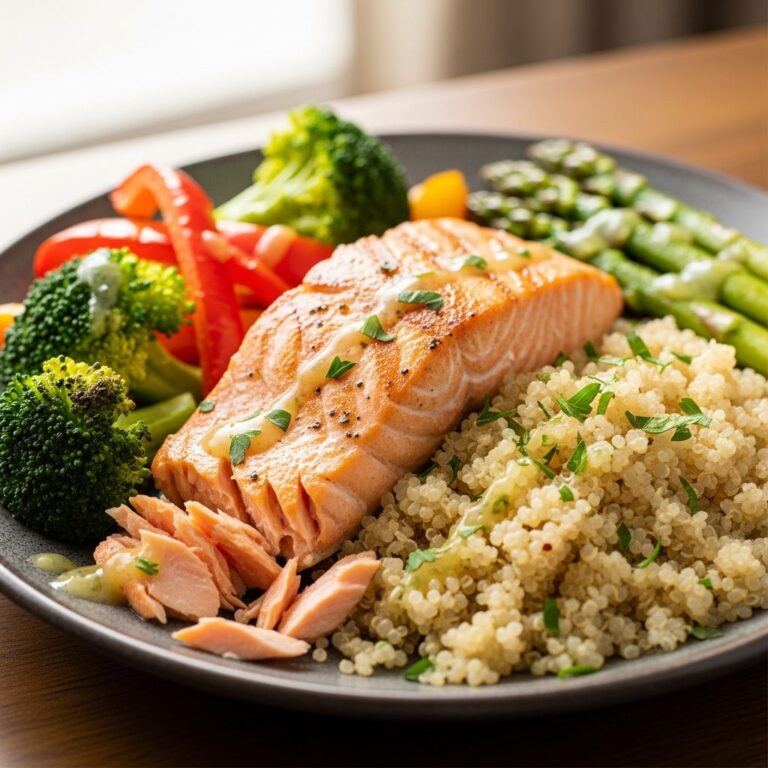
- Emphasize whole foods: Prioritize vegetables, lean proteins, fruits, and healthy fats. The Mediterranean diet, rich in these, supports blood sugar control.
- Portion control and carbs: Opt for complex carbs like quinoa or sweet potatoes over refined grains. A registered dietitian can tailor plans.
- Healthy snacking: Incorporate nuts, yogurt, or veggies to prevent hunger-driven overeating.
Studies confirm dietary improvements paired with activity boost reversion rates by 53%.
Exercise: Building Muscle and Burning Glucose
Physical activity enhances insulin sensitivity and glucose uptake. The CDC’s National Diabetes Prevention Program shows structured lifestyle changes reduce diabetes risk by 58% (71% in those over 60).
- Resistance training: Build muscle in major groups (glutes, quads, back) using bodyweight exercises like squats or weights. The Resist Diabetes trial found 34% of participants reversed prediabetes after three months.
- Aerobic exercise: Aim for 150 minutes weekly of brisk walking, cycling, or swimming to complement strength work.
- Daily movement: For families, integrate activities like biking or hoops to combat sedentary habits.
Related Stories



Consistency yields results across ages, even in those with early diabetes.
Weight Loss Goals
Losing just 5-10% of body weight (e.g., 20 pounds for a 200-pound person) dramatically improves insulin sensitivity, blood pressure, and cholesterol. Combine calorie control with exercise for sustainable loss. Avoid fad diets; focus on long-term habits.
Medications and Other Interventions
While lifestyle is primary, some pharmacological options show promise. GLP-1 receptor agonists (RD=0.47, NNT=2), alpha-glucosidase inhibitors (RD=0.29, NNT=4), and insulin sensitizers like metformin or pioglitazone (RD=0.23, NNT=4) increased normoglycemia rates in RCTs, with moderate evidence strength. However, these are not first-line or FDA-approved for prediabetes alone. Alternative approaches like Chinese medicine or magnesium have lower evidence. Always consult a healthcare provider.
Monitoring Your Progress
Regular check-ups track fasting glucose, A1c, and OGTT. Reversion is defined as fasting glucose <100 mg/dL, OGTT <140 mg/dL, or A1c <5.7%. Home monitoring motivates adherence. Apps or programs like CDC's can structure efforts.
Additional Tips for Success
- Quit tobacco and manage stress: Both worsen insulin resistance.
- Sleep well: Aim for 7-9 hours nightly.
- Seek support: Join diabetes prevention programs or work with specialists like nurse practitioners.
Prediabetes Reversal Timeline
| Timeframe | Expected Changes | Actions |
|---|---|---|
| 1-3 Months | Improved insulin sensitivity, 5% weight loss | Diet overhaul, resistance training 3x/week |
| 3-6 Months | 34% reversion rate possible | Add aerobics, monitor A1c |
| 6-12 Months | Normoglycemia in responsive individuals | Sustain habits, quarterly check-ups |
Frequently Asked Questions (FAQs)
What is prediabetes, and can it be reversed?
Prediabetes is elevated blood sugar short of diabetes. Yes, it’s reversible primarily through lifestyle changes like diet and exercise.
How much weight loss is needed to reverse prediabetes?
5-10% of body weight often suffices, significantly impacting blood sugar and risks.
Is medication necessary for prediabetes reversal?
No, lifestyle is first-line with strongest evidence; meds have moderate support but aren’t standard.
How often should I exercise to reverse prediabetes?
Combine 150 min aerobic + resistance training 2-3x/week for optimal glucose control.
When is it too late to reverse prediabetes?
It’s rarely too late if acting before full diabetes; even post-diagnosis, improvements are possible.
Conclusion: Take Control Today
Reversing prediabetes empowers you to sidestep type 2 diabetes. Start with small, consistent changes in diet, exercise, and weight—research proves they work. Consult professionals for personalized plans and celebrate progress toward normoglycemia.
References
- Interventions for Reversing Prediabetes: A Systematic Review and Meta-Analysis of Randomized Controlled Trials — Nemani H, et al. PMC. 2023-08-01. https://pmc.ncbi.nlm.nih.gov/articles/PMC10420389/
- Prediabetes is reversible with lifestyle changes. Here’s your action plan — Novant Health. 2023-01-15. https://www.novanthealth.org/healthy-headlines/prediabetes-is-reversible-with-lifestyle-changes-heres-your-action-plan
- Build muscle to help reverse prediabetes — UCLA Health. 2024-05-20. https://www.uclahealth.org/news/article/build-muscle-help-reverse-prediabetes
- What is prediabetes, and can I cure myself of it? — Teladoc Health. 2023-11-10. https://www.teladochealth.com/library/article/what-is-prediabetes-and-can-i-cure-myself-of-it
Similar Articles








Read full bio of medha deb