How To Safely Flip Your Eyelid: Step-By-Step Guide
Master safe eyelid eversion techniques for eye exams, foreign body removal, and dry eye management with step-by-step guidance.
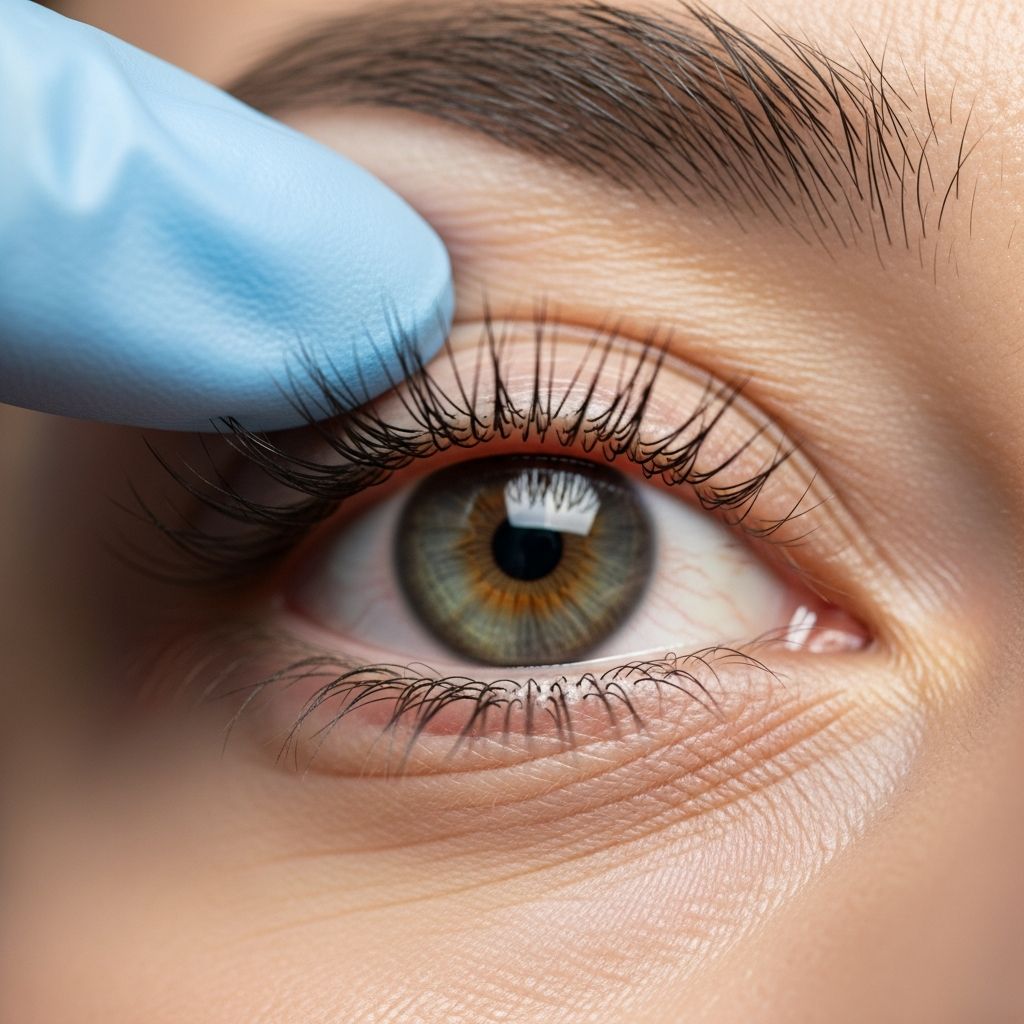
Flipping or everting the eyelid is a common procedure in eye care used to inspect the underside for foreign objects, evaluate meibomian glands, or assess conditions like entropion. When done correctly, it provides clear visualization without discomfort or risk. This guide covers essential methods, tools, and safety measures drawn from clinical practices.
Understanding Eyelid Eversion
Eyelid eversion involves gently turning the lid inside out to expose the conjunctiva and tarsal plate. It’s routinely performed during slit-lamp exams or for dry eye diagnosis. Upper eyelid eversion is more common for checking under the lid, while lower lid techniques aid in meibomian gland expression.
- Primary uses: Foreign body detection, gland imaging, corneal abrasion checks.
- Who needs it: Patients with irritation, tearing, or suspected debris; clinicians during routine exams.
- Risks if mishandled: Corneal scratches, discomfort, or lid trauma.
Why Flip the Eyelid? Common Medical Reasons
Eye irritation often stems from hidden issues. A turned-in lid (entropion) or trapped particles requires eversion for diagnosis. In entropion, the lid inverts, rubbing lashes against the cornea, leading to pain and potential ulcers.
| Condition | Symptoms | Role of Eversion |
|---|---|---|
| Foreign Body | Grating sensation, tearing | Direct visualization and removal |
| Dry Eye (MGD) | Burning, blurred vision | Gland assessment and expression |
| Entropion | Redness, light sensitivity | Confirms inward turn |
For entropion, eversion helps differentiate laxity from spasms. Chronic cases demand prompt intervention to prevent vision loss.
Tools for Safe Eyelid Flipping
Simple tools enhance precision and reduce patient stress. Choose sterile, single-use items for hygiene.
- Cotton-tipped applicator (Q-tip): Standard for gentle pressure; place over lid while patient looks down.
- Eyelid evertors: Specialized devices like Meivertor for single-handed use on upper/lower lids.
- Moistened swab or finger: For home checks; lubricate to minimize friction.
- Slit-lamp setup: Clinical gold standard with magnification.
Avoid sharp objects; always clean tools to prevent infection.
Step-by-Step Guide: Upper Eyelid Eversion
This technique suits most foreign body suspicions. Practice on yourself only after professional demo.
- Prepare: Wash hands, have patient sit comfortably, explain steps to reduce anxiety.
- Position gaze: Instruct looking straight down.
- Apply pressure: Place cotton swab on upper lid center, just above lash line.
- Flip gently: Use free hand to lift lid edge over swab, rolling it upward then downward.
- Inspect: Shine light; remove debris with second swab if needed.
- Return lid: Release slowly; lid snaps back naturally.
Duration: Under 30 seconds. No pain if done right—only mild pressure.
Mastering Lower Eyelid Eversion
Lower lids flip for gland checks in dry eye therapy. Use tools for control.
- Look up: Patient gazes upward.
- Pull lid: Grasp lashes, pull downward while pressing skin with swab.
- Ever: Hook edge over swab, expose glands.
- Express glands: Massage if treating meibomian dysfunction.
- Reset: Let go; apply ointment post-procedure.
Related Stories



Devices like eyelid tools simplify this for repeated use.
Safety Precautions and Common Mistakes
Improper technique risks scratches. Always prioritize sterility and gentleness.
- Do: Use lubrication, communicate, stop if painful.
- Don’t: Force flip, use dirty tools, attempt on swollen lids.
- When to stop: Excessive resistance or patient distress.
For entropion-linked issues, eversion confirms but doesn’t treat—seek surgery.
Entropion: When Flipping Reveals a Bigger Issue
Entropion affects older adults due to muscle laxity, causing inward turning. Eversion exposes lash-cornea contact.
Temporary fixes include tape or Botox; surgery tightens tissues permanently.
- Quickert stitches: Outpatient sutures for temporary outward turn.
- Grafts: For scars, using mouth/nasal tissue.
Home vs. Professional Eversion
Home flips suit minor checks; pros handle complexes.
| Setting | Pros | Cons |
|---|---|---|
| Home | Quick, accessible | Risk of error, no magnification |
| Clinic | Tools, expertise | Appointment needed |
FAQs on Eyelid Flipping
Is eyelid eversion painful?
No, it feels like pressure only when proper.
Can I flip my own eyelid?
Yes, with mirror and swab, but consult doctor first.
How often for dry eye?
As advised; daily expression possible under guidance.
What if I see redness after?
Apply cool compress; see doctor if persists.
Entropion fix without surgery?
Tape, Botox temporary; surgery definitive.
Advanced Techniques and Tools
Clinicians use slit-lamps for precision. Emerging tools like single-hand evertors streamline workflows.
For training, videos demonstrate nuances—patient down-gaze critical for upper lid.
When to Seek Immediate Help
If eversion reveals ulcers, vision blur, or pain, urgent care needed. Untreated entropion risks permanent damage.
References
- Entropion – Diagnosis and treatment – Mayo Clinic — Mayo Clinic. 2023-10-15. https://www.mayoclinic.org/diseases-conditions/entropion/diagnosis-treatment/drc-20351131
- Turned-In Eyelid (Entropion) – ASOPRS — American Society of Ophthalmic Plastic and Reconstructive Surgery. 2024-01-01. https://www.asoprs.org/entropion
- Ophthalmology: Lid Eversion Techniques #ubcmedicine — UBC Medicine (YouTube). 2019-05-20. https://www.youtube.com/watch?v=UDMaT9s0ZnA
- Entropion: Symptoms, Causes, Treatment & Surgery — Cleveland Clinic. 2024-08-12. https://my.clevelandclinic.org/health/diseases/17880-entropion
- How to flip eyelids inside out (Dry eye treatment – Meibomian glands) — MediWorks (YouTube). 2022-07-28. https://www.youtube.com/watch?v=wP3rn3dwGu8
- Home | Meivertor Eyelid Eversion System — Meivertor. 2024-06-01. https://meivertor.com
Similar Articles








Read full bio of Sneha Tete