How To Safely Mail Homemade Gifts: Expert Safety Tips
Keep your loved ones safe: Essential food safety tips for mailing homemade food gifts.
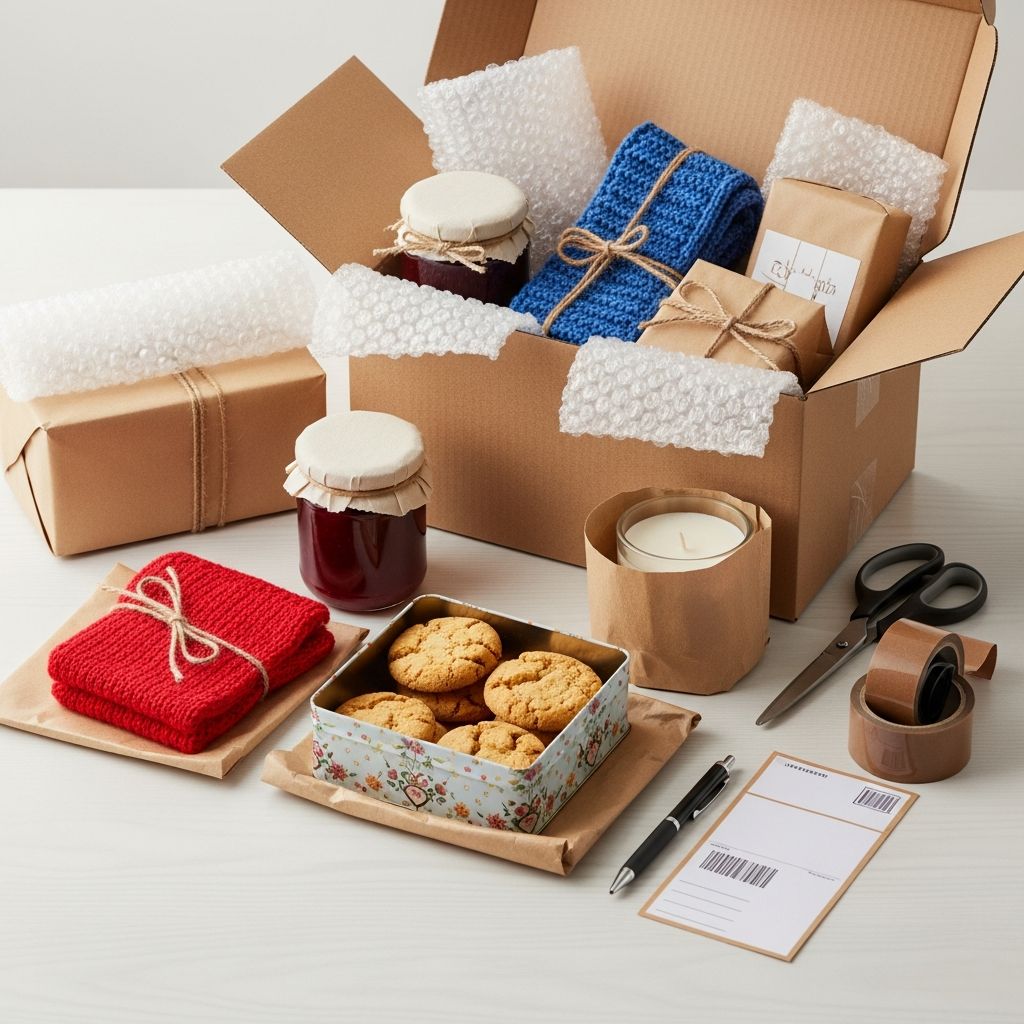
How to Safely Mail Homemade Gifts
Sending homemade treats and prepared foods to friends and loved ones who live far away—whether they’re college students, military personnel, or simply distant relatives—is a thoughtful gesture that demonstrates care and affection. However, when shipping food items through the mail, food safety must be a primary consideration. The process of mailing food involves exposure to variable temperatures, extended transit times, and handling by multiple parties, all of which can compromise food safety if proper precautions are not taken. Understanding the risks and implementing appropriate safety measures ensures that your recipients enjoy your gift without the unpleasant consequences of foodborne illness.
Understanding the Temperature Danger Zone
The most critical concept in food safety for shipped items is understanding the temperature danger zone. Foodborne pathogens grow rapidly between 40°F and 140°F, potentially doubling in population every 20 minutes. This temperature range is often referred to as the temperature danger zone, and it represents the window during which harmful bacteria can proliferate to dangerous levels. During shipping, perishable foods may be exposed to this dangerous temperature range for extended periods, particularly if they spend time in warm warehouses, trucks, or delivery vehicles. This is why temperature control is essential when shipping any food item that requires refrigeration. Even if a food product appears normal when it arrives—showing no visible signs of spoilage, off-odors, or unusual appearance—harmful pathogens may still be present and capable of causing serious illness.
Send Non-Perishable Foods
The safest option for mailing homemade gifts is to select non-perishable foods. These items do not require refrigeration and are safe to maintain at room temperature throughout the shipping process. Non-perishable foods stay fresher longer and carry a significantly lower risk of causing foodborne illness, making them ideal choices for care packages and holiday gifts. When selecting non-perishable items, consider the following categories:
Dried and Shelf-Stable Proteins
- Dried beef and jerky products
- Canned meat and fish, including tuna, salmon, and chicken
- Shelf-stable dips and cracker spreads
- Canned nuts and trail mix combinations
Dried Fruits and Beverages
- Dried fruits such as apricots, cranberries, and raisins
- Dehydrated soup mixes
- Fruit drink mixes and powdered beverages
Baked Goods and Confections
- Dense and dry baked goods such as fruitcakes and biscotti
- Chocolates, hard candies, and homemade sweets like pralines and toffee
- Commercially packaged cakes, cookies, and crackers
- Homemade cookies and bars that are not cream-filled or custard-based
Condiments and Seasonings
- Hot sauce and other condiments
- Spice blends and seasoning mixes
- Note: Avoid sending condiments in breakable glass containers to prevent damage during transit
When shipping non-perishable baked goods in commercially packaged containers, ensure they are stored in airtight tins to maintain freshness and protect them from moisture and contamination during shipping. Additionally, it is crucial to inspect any canned goods before shipping. Any cans that appear damaged, dented, or swollen should be discarded immediately, as they may contain harmful pathogens such as Clostridium botulinum.
Keep Perishables Cool During Shipping
If you decide to ship perishable foods such as meats, poultry, dairy products, or foods with cream or custard fillings, maintaining proper temperature control is absolutely essential. Perishable foods must be kept below 40°F during the entire shipping process. The U.S. Department of Agriculture’s Food Safety and Inspection Service (FSIS) recommends using a cold source, such as dry ice or frozen gel packs, to help maintain safe temperatures throughout transit.
Using Dry Ice Safely
Dry ice is an effective cold source for maintaining extremely low temperatures during shipping. However, it requires careful handling to ensure safety. When using dry ice, always wear gloves to prevent direct contact with your bare hands, as dry ice can cause severe frostbite. Additionally, ensure that the dry ice does not come into contact with the food items being shipped, as this can cause damage or chemical contamination. It is also important to alert the recipient by clearly writing “Contains Dry Ice” on the exterior of the shipping box. This warning allows postal workers and the recipient to handle the package with appropriate caution.
Using Frozen Gel Packs
Frozen gel packs offer a safer alternative to dry ice for many shipping scenarios. These reusable packs maintain cold temperatures without the hazards associated with dry ice. Gel packs should be frozen solid before packing and placed around perishable items within an insulated container.
Insulation and Packaging Materials
Proper insulation is crucial for maintaining cold temperatures. Pack perishable items in an insulated foam cooler or use corrugated cardboard for insulation to help keep the contents cold longer. Place the insulated cooler containing the perishable foods into a sturdy cardboard box and fill any empty spaces with packing material such as packing peanuts or crumpled newspaper. This layering approach minimizes temperature fluctuations and protects items from physical damage during transit.
Timing and Communication
To help minimize the time foods spend outside of refrigeration, write “Keep Refrigerated” on the outside of any cold storage boxes before mailing. Ship items that need refrigeration at the beginning of the week—specifically Monday through Wednesday—so they are not sitting in shipping facilities over the weekend when facilities may have reduced staffing and less frequent climate control. Notify the person you are sending the package to so they know when to expect delivery and can be available to receive the package promptly. This ensures the package does not sit unrefrigerated on a porch or in a mailroom for an extended period.
Proper Packaging for Non-Perishable Items
While non-perishable foods do not require temperature control, protecting the original packaging is still important. The journey through the mail system can be rough on packages, with items being sorted, loaded, transported, and handled multiple times. Sturdy packaging helps keep food undamaged for the bumpy ride ahead. Use a sturdy cardboard box of adequate size and strength. Line the box with packing material and ensure that food items do not shift during transit. Use plenty of tape to seal the box securely, and clearly write the recipient’s address in permanent marker. This protects the contents and ensures the package reaches its intended destination.
Inspecting Food Upon Arrival
Recipients of food packages have an important responsibility to inspect the contents immediately upon arrival. If you receive a shipment marked “Keep Refrigerated,” open the package right away to check the temperature of the food items inside. Perishable food should arrive frozen or at least partially frozen with ice crystals visible, or the temperature should be below 40°F. Use a food thermometer to test the temperature of perishable food when it arrives. If the food temperature is above 40°F, immediately notify the shipping company and do not eat the food, as it may be unsafe. Do not taste or consume any food that has been in the temperature danger zone for an unknown period, even if it appears and smells normal, because harmful pathogens cannot be detected by appearance, taste, or smell.
Delivery Location and Recipient Considerations
Whether you’re shipping the food item to a home, college dorm room, or workplace, alert the recipient that a gift is in the mail so somebody is available to receive it promptly. Do not deliver food gifts to an office unless the package will arrive on a workday and your recipient has access to refrigerator space if needed. Packages left unattended at workplaces or in common areas may be exposed to warm temperatures, and perishable items could spoil before the intended recipient retrieves them.
Special Considerations for Baked Goods
Baked goods are popular homemade gifts, but they require specific handling to arrive in good condition. Allow all baked goods to cool completely before packaging them. If foods are packed while still warm, moisture will condense inside the package, creating an environment conducive to mold growth and soggy, deteriorated products. Pack the baked goods so they will not move around in the box. Use crumpled paper or specialized packing material to fill empty spaces and prevent items from shifting during transit. Bar cookies and brownies ship better than delicate items like brittle or soft sugar cookies, which can break and crumble during the shipping process. Avoid shipping baked goods with cream or custard fillings, as these items require refrigeration and are at higher risk for foodborne illness during transit.
Foods to Avoid Shipping
Certain foods are unsafe to mail and should be avoided. Cheesecake and other foods containing custard or cream fillings do not travel safely due to the potential for foodborne illness. These items require consistent refrigeration and can develop dangerous bacterial growth if exposed to warm temperatures. Similarly, avoid shipping foods with mayonnaise-based fillings, cream cheese frostings, or other dairy-based components unless you are confident in your ability to maintain safe temperatures throughout transit.
Frequently Asked Questions
Q: What is the temperature danger zone, and why does it matter for shipping food?
A: The temperature danger zone is between 40°F and 140°F, where foodborne pathogens can double in number every 20 minutes. During shipping, perishable foods exposed to this temperature range can develop dangerous levels of harmful bacteria, potentially causing foodborne illness in recipients.
Q: Can I ship homemade foods that contain cream cheese or mayonnaise?
A: Foods with cream cheese, mayonnaise, or custard fillings require consistent refrigeration and should not be shipped unless you can guarantee temperatures stay below 40°F throughout transit using proper insulation and cold sources like dry ice or frozen gel packs.
Q: What is the best day to ship perishable food gifts?
A: Ship perishable foods early in the week—Monday through Wednesday—to avoid them sitting in warm shipping facilities over the weekend. This minimizes the time spent outside of temperature control.
Q: How can I safely handle dry ice when packaging food gifts?
A: Always wear gloves when handling dry ice to prevent frostbite. Ensure dry ice does not directly contact food items, and clearly mark the box with “Contains Dry Ice” so handlers and recipients know to take appropriate precautions.
Q: What should a recipient do if perishable food arrives warm?
A: If perishable food arrives at a temperature above 40°F, the recipient should immediately notify the shipping company and not consume the food, as it may contain harmful pathogens despite appearing normal.
Q: Are cookies and brownies safe to mail?
A: Most cookies and brownies are safe to mail as non-perishable items. Bar cookies and brownies ship better than delicate varieties. Allow them to cool completely before packing, and use protective padding to prevent breakage.
Q: Can I ship commercially packaged baked goods?
A: Yes, commercially packaged cakes, cookies, and crackers are safe to ship. Store them in airtight tins to maintain freshness and protect them from moisture and damage during transit.
References
- How to Safely Mail Homemade Gifts — Academy of Nutrition and Dietetics. https://www.eatright.org/food/home-food-safety/safe-food-storage/how-to-safely-mail-homemade-gifts
- Sending Food Gifts: Do It Safely — Michigan State University Extension. https://www.canr.msu.edu/news/sending_food_gifts_do_it_safely
- Holiday Tips for Food Gifts — FoodSafety.gov, U.S. Food and Drug Administration. https://www.foodsafety.gov/blog/holiday-tips-food-gifts
- Holiday Foods: Safety Tips for Homemade and Mail-Order Gifts — University of Missouri Extension. https://extension.missouri.edu/news/holiday-foods-safety-tips-for-homemade-and-mail-order-gifts
- How to Pack and Ship Food Gifts — Harry & David. https://www.harryanddavid.com/articles/gifting/pack-ship-food-gifts
Similar Articles







Read full bio of Sneha Tete