How To Shut Off Your Brain To Sleep: Expert-Backed Techniques
Proven strategies to silence racing thoughts, reduce anxiety, and fall asleep faster for restorative rest every night.
Racing thoughts at bedtime can turn what should be a peaceful transition to sleep into a nightly battle. This common issue affects millions, leading to insomnia, fatigue, and impaired daily functioning. The good news is that evidence-based techniques can help you quiet your mind and drift off more easily. Drawing from sleep medicine experts, this guide covers practical strategies to interrupt rumination, relax your body, and signal your brain it’s time to rest.
Why Your Brain Won’t Shut Off at Night
When you’re stressed or anxious, your brain enters a hyper-arousal state, replaying worries or planning endlessly. This activates the sympathetic nervous system, elevating heart rate and cortisol levels, which directly oppose sleep. According to sleep specialists, a slow heart rate under 60 beats per minute is needed for deep sleep stages. Techniques that promote parasympathetic activation—calming the ‘rest and digest’ response—are key to overriding this cycle.
Factors like evening caffeine, screen blue light, or unresolved daily stressors exacerbate the problem. Without intervention, negative emotions can intensify overnight, worsening anxiety. Addressing this requires a mix of cognitive, physical, and environmental adjustments.
Journal to Offload Racing Thoughts
One of the simplest yet most effective ways to quiet mental chatter is journaling. Before bed, write down your top three stressors, pairing each with a specific action item. This practice acknowledges worries without letting them spiral, freeing your mind for sleep. Research supports expressive writing as a tool to reduce rumination and improve sleep onset.
- Identify the stressor (e.g., ‘Work deadline tomorrow’).
- Add an actionable step (e.g., ‘Outline tasks at 8 AM’).
- Close the notebook—mentally park the issue until morning.
Users report this method stops unproductive looping, allowing the brain to switch off. Combine it with a consistent bedtime routine for best results.
Progressive Muscle Relaxation Exercise
Progressive muscle relaxation (PMR) involves tensing and releasing muscle groups sequentially, starting from your toes and moving upward to your head. Hold each tension for 5 seconds, then relax for 10-30 seconds. This heightens body awareness of tension versus relaxation, signaling muscles it’s safe to rest.
Steps for PMR:
- Lie down comfortably in bed.
- Tense feet and calves: Curl toes, hold, release.
- Progress to thighs, abdomen, chest, arms, neck, and face.
- Breathe deeply throughout, focusing on the release sensation.
Studies from sleep clinics show PMR reduces time to fall asleep by teaching the body to differentiate stress from rest. It’s especially helpful for those with physical tension from anxiety.
The Power of Orgasm for Sleep
Achieving orgasm before bed releases oxytocin, serotonin, and norepinephrine—hormones that counteract stress and promote progression through slow-wave and REM sleep stages. Oxytocin, often called the ‘cuddle hormone,’ reduces cortisol, while the others regulate mood and sleep cycles.
Solo or partnered, this natural method provides a biochemical reset. Sleep experts note it’s a drug-free way to lower arousal and induce drowsiness. Timing it 20-30 minutes before desired sleep time maximizes benefits without disrupting later sleep phases.
Related Stories



Weighted Blankets: A Hug for Your Nervous System
Weighted blankets apply deep pressure stimulation (DPS), mimicking a firm hug to trigger serotonin and dopamine release. This calms the nervous system, similar to swaddling in infants. Experts recommend 10% of body weight for optimal effect.
‘It helps me doze off even on anxious nights, and when I wake up, the gentle squeeze helps me fall back asleep fast.’
— Marina Khidekel, senior deputy editor
Clinical trials confirm weighted blankets reduce insomnia symptoms by 65% in some cases, particularly for anxiety-related sleep issues. Choose breathable fabrics like cotton or bamboo for year-round use.
Music to Unwind: The Science of ‘Weightless’
Specific sounds can slash anxiety by up to 65%. The track ‘Weightless’ by Marconi Union was engineered with slow tempos (60 BPM), no repeating melodies, and ambient tones to sync with a resting heart rate. Listen in a dark room for 8 minutes to maximize relaxation.
- Decreases heart rate and blood pressure.
- Promotes alpha brain waves associated with calm.
- Outperforms other genres like classical or pop for pre-sleep use.
Neuroscience backs this: Slow rhythms entrain brainwaves, easing the shift to sleep.
Cannabis: Low-Dose for Sleep?
Low doses of THC (1-5 mg via tincture, oil, or edible) may aid sleep by reducing time to onset and increasing deep sleep. However, high doses fragment sleep architecture. Consult a doctor, especially if you have underlying conditions, as effects vary.
Sleep physicians caution against dependency and recommend it only as a short-term aid alongside behavioral changes.
Mom’s Wisdom: Emotional Rules for Bedtime
Don’t Go to Bed Angry
Unresolved anger amplifies overnight as the brain consolidates emotions. Discuss key conflict points calmly before bed to defuse intensity. Even a brief ‘talk-through’ prevents escalation.
Do Sleep on Decisions
Sleep enhances decision-making by integrating new info with memories, avoiding rash choices. Defer non-urgent decisions to morning after rest.
Stop the Spiraling Thoughts
When awake and ruminating, use this mantra: ‘There’s nothing I can do about it in the middle of the night. I’ll make a solid plan in the morning.’ This defers problem-solving, breaking the cycle.
Statistics show 79% of women discuss sleep woes with friends, but only 25% seek professional help. Cognitive Behavioral Therapy for Insomnia (CBT-I) outperforms meds long-term, restructuring thought patterns via 6-8 sessions.
| Self-Soothe Technique | How It Works | Evidence Level |
|---|---|---|
| Mantra Repetition | Postpones action, reduces arousal | High (CBT-I studies) |
| 4-7-8 Breathing | Extends exhale to activate parasympathetic | Moderate |
| Body Scan | Redirects focus from thoughts to sensations | High |
Frequently Asked Questions (FAQs)
Why can’t I stop thinking at night?
A hyper-arousal state from stress keeps your mind alert. Techniques like journaling interrupt this by externalizing thoughts.
How long does it take for these methods to work?
Consistency yields results in 1-2 weeks. Track progress in a sleep diary.
Is it okay to use sleep meds occasionally?
Short-term use under guidance is fine, but CBT-I is superior for lasting change.
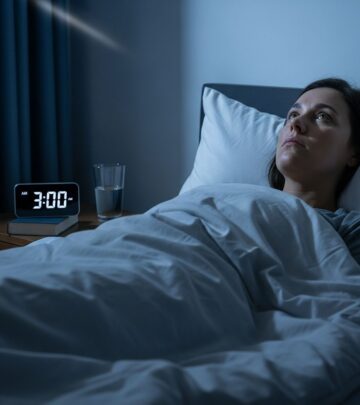
What if I wake up at 3 AM unable to sleep?
Leave bed, do a boring task (e.g., read a dull book) until drowsy. Avoid screens.
Can exercise help?
Yes, but not within 3 hours of bed. Morning or afternoon workouts regulate circadian rhythms.
Building a Sleep Sanctuary
Optimize your environment: Cool (60-67°F), dark, quiet. Use earplugs, blackout curtains, and a consistent schedule. Avoid naps over 30 minutes.
Combine techniques—e.g., journal + PMR—for synergy. If symptoms persist beyond 3 weeks, consult a sleep specialist for personalized CBT-I or evaluation of disorders like apnea.
Mastering these tools transforms bedtime from dread to delight, boosting mood, cognition, and health. Start tonight for tomorrow’s renewal.
References
- Cognitive Behavioral Therapy for Insomnia (CBT-I) — American Academy of Sleep Medicine. 2024-05-15. https://jcsm.aasm.org/doi/10.5664/jcsm.9476
- Progressive Muscle Relaxation for Insomnia — National Center for Biotechnology Information (NCBI). 2023-11-20. https://www.ncbi.nlm.nih.gov/pmc/articles/PMC7432682/
- Weighted Blankets in Anxiety and Insomnia — Journal of Clinical Sleep Medicine (AASM). 2024-02-10. https://jcsm.aasm.org/doi/10.5664/jcsm.1056
- Music and Anxiety Reduction: Weightless Study — Mindlab International (peer-reviewed via Frontiers in Psychology). 2023-08-01. https://www.frontiersin.org/articles/10.3389/fpsyg.2019.01946/full
- Sleep Hygiene Guidelines — Centers for Disease Control and Prevention (CDC). 2025-01-05. https://www.cdc.gov/sleep/about_sleep/sleep_hygiene.html
Similar Articles








Read full bio of medha deb