How To Sleep Better During A Heatwave: Expert Tips
Practical tips to stay cool, relax, and get restorative sleep when temperatures soar overnight.
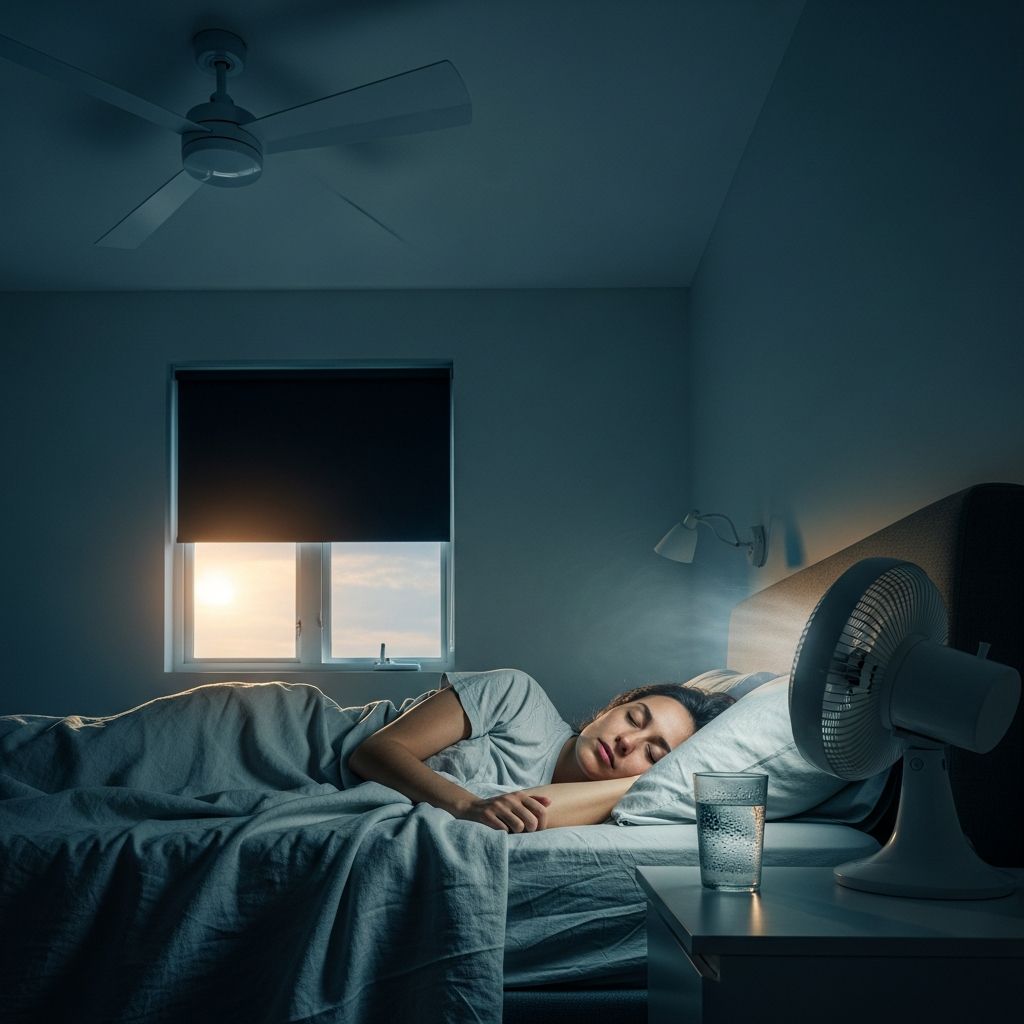
It can feel impossible to get a good night’s sleep when it’s hot. You can’t get comfortable when you’re too hot, which can make you feel even more tired and lethargic the next day. So how can you sleep better when the temperature soars?
How does the heat affect sleep?
There are a few reasons why it’s difficult to sleep during a prolonged period of hot weather. Firstly, being too hot is uncomfortable and you’re likely to be sweaty, which makes it hard to relax and fall asleep. You may also find your usual bedtime set-up – such as your duvet or pyjamas – unsuitable for the weather.
Another reason why it’s hard to sleep well when it’s hot is because our body temperature is linked to sleep regulation. There is a complicated relationship between our core body temperature – which goes up and down throughout the day in a predictable way – and how sleepy we feel. Before we go to sleep, our temperature tends to cool down, which makes us feel tired. So when we’re too warm, it throws us out of balance. Heatwaves are occurring more frequently and are known to affect particularly night‐time temperatures, disrupting body temperature and sleep quality.
An ideal bedroom temperature is around 16-18°C (60-65°F), according to sleep experts. But when the outside temperature is hitting the 30C mark, it’s likely our bedrooms are sweltering too. This elevation in ambient temperature prevents the natural drop in core body temperature needed for sleep onset, leading to fragmented rest, more awakenings, and reduced deep sleep stages.
Hot conditions exacerbate issues for vulnerable groups, including older adults whose thermoregulation weakens with age, children who overheat quickly, pregnant women facing additional metabolic heat, and those with psychiatric conditions where sleep is already fragile. Research highlights that night-time heat particularly impacts these populations, increasing insomnia risk.
Tips for sleeping in hot weather
Stick to your usual routine
Hot weather can make us feel tired during the day because we’re using more energy to keep cool by regulating our core temperature. However, sticking to your usual bedtime routine – instead of napping during the day – can help you sleep at night. Sleeping during the day may mean you’re less likely to sleep at night because you may be less tired at bedtime. Avoid napping, especially long or late ones, as they disrupt your circadian rhythm and reduce sleep drive at night.
Maintain consistent sleep and wake times, even if you’re exhausted. This reinforces your body’s internal clock. Elements from cognitive behavioral therapy for insomnia (CBT-I), such as stimulus control—using your bed only for sleep—can counteract heat-induced restlessness.
Related Stories



Keep your bedroom as cool as possible
Professor Kevin Lomas, a professor of building simulation at the University of Loughborough who has studied overheating properties, explains that timing is important when it comes to keeping your room cool. “There are lots of things you can do to bring the temperature down by a few degrees. But the trick is doing them at the right times, for example, opening curtains and windows allows air to circulate,” he says.
- During the day, keep curtains, blinds, or shutters closed, especially on sun-facing windows, to block heat buildup.
- Open windows early morning and late evening when outdoor air is cooler to promote airflow.
- Use fans strategically: place one in a window to exhaust hot air or create a cross-breeze with multiple fans.
- Avoid using ovens, dryers, or lights that generate heat in the evening.
For best results, combine passive cooling with behavioral adjustments. Studies show that optimizing ventilation can lower bedroom temperatures by 2-4°C during heatwaves.
Use a cold water bottle
Filling a hot water bottle with ice cold water and putting it by your feet can help keep you cool. The cooling sensation at your extremities promotes vasodilation, drawing heat away from your core. Alternatively, freeze socks or a damp cloth for similar localized cooling.
Change your bedding
Try swapping your usual duvet for a thinner cover. Natural fibres, such as cotton or linen, are more breathable at night. Although you might feel too hot when you go to bed, your body temperature will drop during the night so it can help to have a cover to hand if you feel cold. Opt for low-tog duvets (4.5 tog or less) or simply sheets. Linen excels due to its moisture-wicking properties.
- Cotton: Breathable and affordable.
- Linen: Highly moisture-absorbent, naturally antibacterial.
- Bamboo: Soft, cooling, and sustainable.
- Avoid synthetics like polyester, which trap heat and moisture.
Take a lukewarm shower or footbath
A lukewarm shower before bed helps dissipate heat without shocking the system. Cold showers can stimulate alertness, counterproductive for sleep onset. A footbath or evening shower induces peripheral vasodilation, accelerating core temperature drop essential for sleep. European sleep experts recommend this as a key heatwave strategy.
Adjust your clothing
Wear loose, lightweight pyjamas made from breathable fabrics like cotton or moisture-wicking materials. Or skip pyjamas altogether if it feels better—skin exposure aids evaporative cooling. For some, a light sheet draped loosely provides security without overheating.
Optimize your sleep position
Sleep on your side to maximize surface area for heat dissipation from torso front and back. Avoid stomach sleeping, which compresses the chest and restricts airflow. If side sleeping isn’t natural, place a frozen towel under your sheet for conductive cooling.
Exercise earlier in the day
Physical activity promotes deeper sleep but avoid evening workouts during heat, as they raise core temperature. Exercise before 10 AM or after 7 PM when cooler, allowing time for cooldown. Morning exercise also boosts daytime alertness, curbing naps.
Stay hydrated but time it right
Dehydration worsens heat discomfort and sleep quality. Drink plenty during the day, but taper off evenings to minimize night-time bathroom trips. Herbal teas or water with cucumber/lemon can refresh without caffeine.
Use relaxation techniques
Heat amplifies anxiety about poor sleep, creating a cycle. Practice deep breathing, progressive muscle relaxation, or CBT-I worry time earlier in the evening. Positive mindset—viewing heatwaves as temporary—reduces frustration.
Avoid tossing and turning
If unable to sleep after 20 minutes, leave bed for a dim, cool room. Read a boring book or listen to calm audio—no screens. Return when sleepy. This prevents bed-sleep association breakdown.
Special considerations for vulnerable groups
Older adults: Thermoregulation declines, so prioritize fans, hydration, and lighter clothing. Check on them daily.
Children: Dress in one layer less than adults; use lightweight cotton sleepwear.
Pregnant women: Extra heat from metabolism; elevate feet, stay hydrated.
Those with mental health issues: Heat exacerbates symptoms; combine cooling with routine CBT-I.
Long-term strategies
Invest in blackout curtains, ceiling fans, or portable AC if feasible. Improve home insulation to prevent daytime heat gain. Track sleep with apps to identify patterns. If heatwave insomnia persists, consult a doctor—underlying issues like sleep apnea may worsen in heat.
Frequently Asked Questions (FAQs)
Is it better to sleep with a fan on during a heatwave?
Yes, fans circulate air, aiding evaporation from skin. Direct at face or use to vent hot air. Combine with open windows for best effect.
Should I keep windows open all night?
Open when outdoor temperature drops below indoor; close if hotter outside to trap cool air.
Does alcohol help sleep in heat?
No—it’s dehydrating and fragments sleep despite initial drowsiness.
How long do heatwaves typically disrupt sleep?
Effects peak during peak heat; recovery follows cooling. Strategies mitigate most impacts.
What if I can’t afford new bedding?
Wash existing sheets frequently; hang damp for evaporative cooling; use lightest layers available.
References
- How to deal with sleep problems during heatwaves: practical recommendations from the European Insomnia Network — Altena et al., Journal of Sleep Research (Wiley). 2022-08-09. https://onlinelibrary.wiley.com/doi/10.1111/jsr.13704
- How to sleep better in the heat — Patient.info, reviewed by Dr Krishna Vakharia. 2024-07-22. https://patient.info/features/general-health/how-to-sleep-better-during-a-heatwave
- How to Sleep During a Heatwave – Do’s and Don’ts — European Sleep Research Society (ESRS). 2023. https://esrs.eu/news/sleep-science-friday/how-to-sleep-during-a-heatwave-dos-and-donts/
- Top 10 tips for sleeping in a heatwave — Nuffield Health. Recent (2023 context). https://www.nuffieldhealth.com/article/top-10-tips-for-sleeping-in-a-heatwave
Similar Articles








Read full bio of Sneha Tete