How to Sleep on a Plane: Expert Tips for Better In-Flight Rest
Expert tips to help you catch quality rest during flights, from choosing seats to using sleep aids safely.
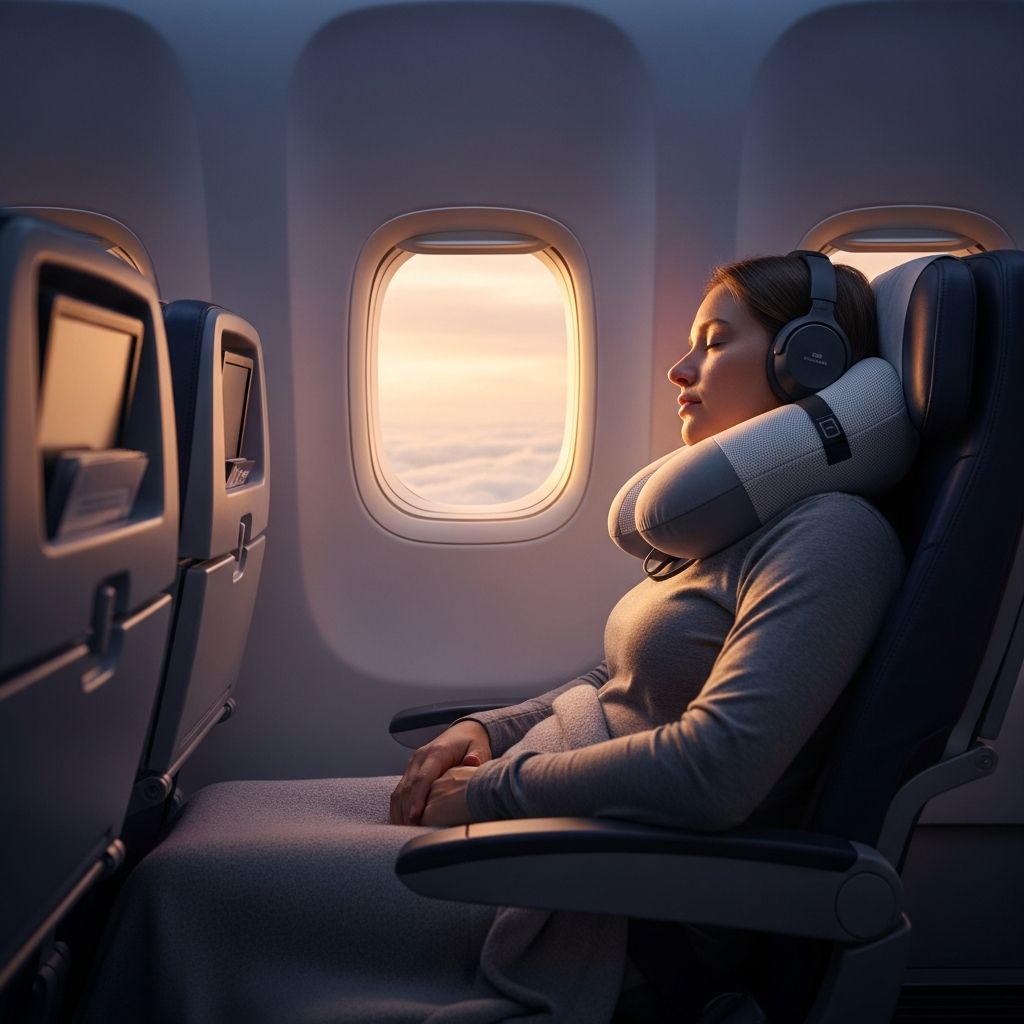
Sleeping on a plane can transform a grueling flight into a refreshing journey, helping you arrive at your destination energized rather than exhausted. While airplane seats, noise, and cabin conditions pose challenges, targeted strategies based on sleep science can significantly improve your rest.
Why It’s Hard to Sleep on a Plane
Airplane environments are not designed for sleep: upright seating increases alertness, cabin noise averages 75-85 decibels (like a vacuum cleaner), dry air causes dehydration, and erratic lighting disrupts circadian rhythms. Turbulence, confined space, and shared armrests add discomfort, making quality sleep elusive for most passengers. Research shows reclining reduces alertness, but limited recline in economy seats hinders deep rest.
Poor sleep inflight exacerbates jet lag, impairs cognitive function, and raises health risks like blood clots from immobility. However, preparation and in-flight adjustments can yield 2-4 hours of restorative sleep on long-haul flights.
How to Prepare Before Your Flight
Proactive steps days before takeoff set the stage for better sleep. Aligning with your destination’s time zone reduces jet lag shock.
- Adjust your sleep schedule: Shift bedtime and wake-up by 1-2 hours daily toward the target zone. For eastward travel, advance; westward, delay.
- Book smart seats: Window seats offer headrest support against the fuselage; wing-adjacent seats minimize turbulence. Avoid aisles for fewer disturbances.
- Pack essentials: Eye mask, earplugs or noise-canceling headphones, neck pillow, blanket, compression socks, and hydration bottle.
- Exercise and de-stress: Moderate activity improves sleep quality; organize travel docs to lower anxiety.
- Consult on aids: Discuss melatonin (0.5-5mg) or prescriptions with a doctor; test beforehand to avoid surprises.
Avoid early/late flights that fragment home sleep, prioritizing overnight options for natural drowsiness.
Best Seat for Sleeping on a Plane
Seat selection is crucial: economy seats recline minimally (3-5 inches), but strategic choices enhance comfort.
| Seat Type | Pros for Sleep | Cons |
|---|---|---|
| Window | Head rest on wall, lean control, fewer interruptions | Middle-of-row bathroom access needed |
| Middle | Wing area less bumpy | No lean surface, squeezed by neighbors |
| Aisle | Easy bathroom/leg stretch access | Cart/bumped by walkers |
| Bulkhead/Premium | Extra legroom, no front seat | Baby-allowed zones, fixed armrests |
Window seats win for sleep, providing a natural pillow; book early via apps like SeatGuru. Pay for exit rows if taller, but note responsibilities.
Choose Clothes and Accessories That Help You Sleep
Comfortable attire regulates temperature and movement in fluctuating cabin conditions (cold drafts, dry air).
- Layer up: Moisture-wicking base, fleece mid-layer, hoodie/shell. Planes cool to 65°F; add/remove as needed.
- Footwear swap: Thick sleep socks speed sleep onset and duration per studies; ditch shoes for circulation.
- Neck support: Inflatable or memory-foam pillows prevent ‘neck bobble’; inflatable under-chin types save space.
- Eye/ear protection: Contoured masks block 100% light; silicone plugs or Bose headphones cut 30dB noise.
- Personal blanket: Familiar texture aids routine; avoid thin airline ones.
Loose, breathable fabrics prevent overheating; compression socks reduce DVT risk.
Related Stories



Sleep-Friendly Eating and Drinking Habits
Fuel right to avoid digestion disrupting sleep; dehydration worsens in low-humidity cabins.
- Stay hydrated: Drink 8oz/hour; skip soda/alcohol. Water combats dry air, prevents cramps.
- Light meals: Nuts, fruit, yogurt over heavy carbs/fats. Big meals divert blood to gut, delaying sleep.
- No alcohol: Initial drowsiness masks fragmented sleep, dehydration, breathing issues.
- Limit caffeine: None post-noon; blocks adenosine (sleep signal).
- Timing: Eat pre-flight to align with destination meals.
Herbal tea (chamomile) or lavender oil promotes relaxation without calories.
Block Out Light and Noise
Core disruptors: cabin lights (announcements/movies) and engine hum.
- Eye mask: Silk or 3D-contoured for no-lash pressure; blocks blue light mimicking day.
- Noise control: Plugs (high NRR 33+), over-ear headphones with white/pink noise apps (rain/ocean sounds).
- Screen avoidance: Blue light suppresses melatonin; read physical book or meditate.
Recline fully post-meal service; face window away from lights.
Best Position to Sleep on a Plane
Upright fetal pose optimizes limited space.
- Head to wall: Window lean, pillow at neck base/jaw; hoodie wall for support.
- Feet elevated: Bag under feet improves circulation, clots prevention.
- Torso forward: Tray table pillow for chest lean if reclined.
- Avoid crossing legs: Impairs flow; stretch hourly.
For couples: alternate head-to-head lean. Premium? Use footrests.
Sleep Aids for Flying
Short-term aids bridge gaps but aren’t cures.
- Melatonin: Signals sleep (1-5mg, 30min pre-bed); doctor-approved for jet lag.
- OTC like doxylamine: For one-offs; side effects: grogginess.
- Rx (Ambien/zolpidem): Induces sleep but risks walking/dizziness; trial at home.
- Natural: Valerian, magnesium; lavender aromatherapy boosts deep sleep.
No regulars without doc; hydration counters dry-mouth side effects.
Relaxation Techniques to Fall Asleep
Mind-body methods ease anxiety/turbulence.
- 4-7-8 breathing: Inhale 4s, hold 7s, exhale 8s; calms nervous system.
- Progressive muscle relaxation: Tense/release groups from toes up.
- Visualization: Imagine serene beach; distracts from noise.
- Meditation apps: Guided 10min sessions (Calm/Headspace airplane modes).
Pair with dim lights post-takeoff.
Prevent Snoring on a Plane
Snoring embarrasses and disturbs; upright helps.
- Upright posture: Keeps airways open vs. flat.
- No alcohol/nicotine: Relax throat muscles.
- Nasal aids: Strips/decongestants for congestion.
- Mouthguard: Dentist-fitted advances jaw.
Side-sleep facing window muffles sound.
Post-Flight Recovery
Hit ground running: natural light exposure, light exercise, nap <30min if needed. Hydrate, eat local times.
Frequently Asked Questions (FAQs)
Can you take sleeping pills on a plane?
Yes, short-term with doctor approval; test home first to gauge grogginess risks.
Is it better to sleep on a plane or stay awake?
Sleep for long-hauls/red-eyes to combat jet lag; short flights, stay up.
How can I sleep on a plane with a baby?
Bassinet seats, white noise, feed during takeoff; walk baby during fussiness.
Do neck pillows really help?
Yes, prevent strain; choose supportive designs.
What’s the best sleep aid for flights?
Melatonin for natural adjustment; personalize via doc.
References
- Here’s How You Can Sleep Better on Planes — TIME Magazine. 2023-11-28. https://time.com/6549884/how-to-sleep-better-on-planes/
- How to Sleep on a Plane — Sleep Foundation. 2025-01-10. https://www.sleepfoundation.org/travel/how-to-sleep-on-a-plane
- Good sleep hygiene key in sleeping on plane — UCLA Health. 2024-07-15. https://www.uclahealth.org/news/article/good-sleep-hygiene-key-sleeping-plane
Similar Articles








Read full bio of Sneha Tete