How To Sleep With A Stuffy Nose: Proven Tips For Better Sleep
Expert tips to relieve nasal congestion and get restful sleep despite a stuffy nose from colds, allergies, or sinus issues.
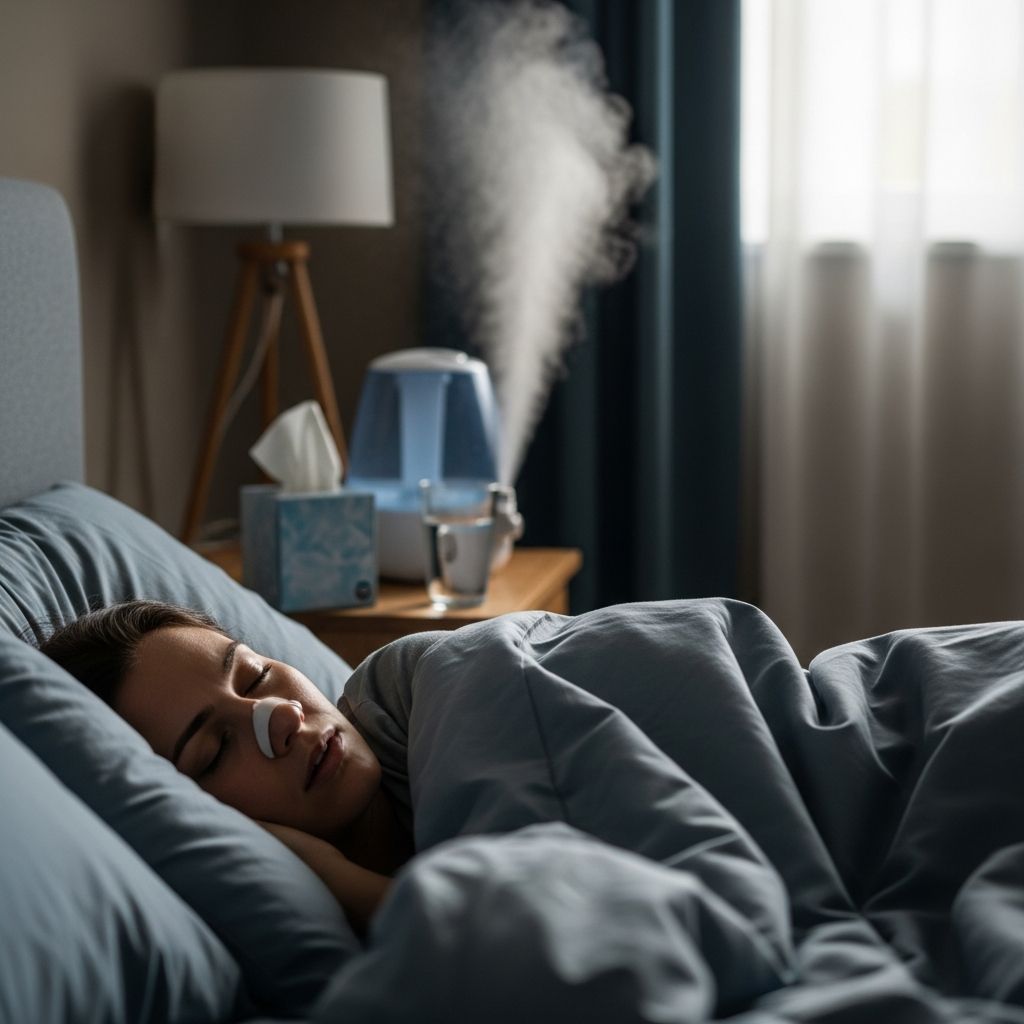
A stuffy nose, also known as nasal congestion, makes breathing difficult and disrupts sleep, leading to fatigue and discomfort. Common causes include colds, allergies, sinus infections, and dry air, which cause inflammation and mucus buildup in nasal passages. This article outlines evidence-based strategies to alleviate symptoms and promote better sleep quality.
Why a Stuffy Nose Interferes with Sleep
Nasal congestion forces mouth breathing, which dries out airways and increases snoring or sleep apnea risk. Lying flat pools mucus in sinuses, worsening blockage. Poor sleep from congestion impairs immune function, prolonging recovery from underlying issues like viruses or allergens.
Use a Humidifier or Steam
Moist air prevents nasal passages from drying, thinning mucus for easier drainage. Place a cool-mist humidifier in your bedroom, aiming for 40-60% humidity. Clean it daily to avoid mold. No humidifier? Take a hot shower before bed or hang in steamy bathroom to loosen congestion.
- Cool-mist models are safer for bedrooms.
- Add menthol or eucalyptus oil sparingly for soothing vapors.
- Monitor humidity to prevent excess moisture promoting dust mites.
Try Nasal Strips, Sprays, or Irrigation
External nasal strips widen nostrils mechanically, improving airflow without drugs. Saline sprays hydrate and flush irritants; use before bed and upon waking. Neti pots or saline rinses clear deeper mucus—mix 1 tsp non-iodized salt in 2 cups distilled water, tilt head over sink.
| Method | How It Helps | Tips |
|---|---|---|
| Nasal Strips | Opens passages externally | Apply to clean, dry nose; remove gently in morning |
| Saline Spray | Moisturizes, removes allergens | Spray 2-3 times per nostril; non-medicated preferred |
| Neti Pot | Flushes sinuses thoroughly | Use boiled/cooled or distilled water only |
Avoid decongestant sprays longer than 3 days to prevent rebound congestion.
Sleep with Your Head Elevated
Elevating your head 30 degrees promotes sinus drainage via gravity, reducing pressure. Use 2-3 pillows or a wedge pillow; adjustable beds work best. Side-sleeping on non-congested side also aids clearance over back-sleeping.
- Wedge pillows provide consistent support without neck strain.
- Prop bed frame with books if no specialty pillow.
- Avoid stomach sleeping, which compresses airways.
Stay Hydrated and Eat Congestion-Fighting Foods
Dehydration thickens mucus; drink 8-10 glasses water daily. Warm fluids like herbal tea, broth, or lemon-honey soothe passages. Spicy foods (capsaicin), ginger, garlic reduce inflammation naturally.
Limit dairy and sugar, which may increase mucus. Chicken soup’s warmth and nutrients provide proven relief.
Avoid Allergens and Irritants
Dust mites, pet dander, pollen trigger nighttime worsening. Wash sheets weekly in hot water, use allergen-proof covers. Vacuum with HEPA filter; keep pets out of bedroom. Air purifiers capture particles.
- Shower before bed to rinse pollen.
- Avoid scented products irritating airways.
- Close windows during high pollen seasons.
Additional Remedies
Related Stories



- Warm Compress: Apply to face 10-15 mins to loosen mucus.
- Honey: 1 tsp before bed suppresses cough, aids sleep (not for infants).
- Acupressure: Press between eyebrows or nostril sides gently.
When to See a Doctor
Seek care if congestion lasts >10 days, includes fever, facial pain, green discharge, or wheezing. May indicate sinusitis, infection needing antibiotics.
Frequently Asked Questions (FAQs)
Can I use Vicks VapoRub for a stuffy nose?
Yes, apply to chest/throat; vapors ease breathing. Avoid nostrils directly.
Is it safe to sleep sitting up?
Temporarily yes for drainage, but not long-term due to neck/back strain.
Do essential oils help congestion?
Peppermint/eucalyptus in humidifier may open passages, but dilute and test for sensitivity.
How long does a cold-related stuffy nose last?
Typically 7-10 days; allergies persist without intervention.
Are oral decongestants safe before bed?
May cause insomnia; prefer topical/saline options.
References
- 5 Tips for Dealing with A Stuffy Nose While Sleeping at Nights — ENT Austin. 2023. https://entatx.com/blog/5-tips-for-dealing-with-a-stuffy-nose-while-sleeping-at-nights/
- Nasal Congestion (Stuffy Nose) — Mayo Clinic. 2024-05-10. https://www.mayoclinic.org/diseases-conditions/common-cold/in-depth/stuffy-nose/art-20050692
- Nonprescription Treatments of Sinusitis and Rhinosinusitis — American Academy of Otolaryngology. 2023. https://www.entnet.org/quality-practice/quality-products/clinical-indicators/nasal-obstruction/
- Humidifiers: Ease skin, breathing symptoms — Mayo Clinic. 2024-08-15. https://www.mayoclinic.org/diseases-conditions/common-cold/in-depth/humidifiers/art-20048021
- Sinusitis (sinus infection) — NHS. 2023-12-20. https://www.nhs.uk/conditions/sinusitis-sinus-infection/
Similar Articles








Read full bio of Sneha Tete