How To Snack When You Have Diabetes: Low-Carb Snack Ideas
Discover smart snacking strategies for type 1 and type 2 diabetes to maintain steady blood sugar levels without sacrificing taste or convenience.
Everyone occasionally needs a snack between meals, but for people with diabetes, selecting the right options is crucial to avoid significant spikes or drops in blood sugar levels. Smart snacking can help manage hunger, prevent hypoglycaemia (hypos), and support overall diabetes control without compromising health goals.
Whether you have type 1 or type 2 diabetes, the focus should be on snacks that are low in added sugars and unhealthy fats, while being rich in fibre, protein, and healthy fats. Portable options like fruit, plain biscuits, or cereal bars work well, but always carry glucose tablets, gel, or a non-diet soft drink for emergencies.
Snacking with type 1 diabetes
For individuals with type 1 diabetes, who rely on insulin, snacking often plays a key role in balancing blood glucose throughout the day. Unlike type 2, type 1 diabetes involves an absolute lack of insulin production, making carbohydrate management essential to match insulin doses.
Hunger
Hunger between meals is normal and not always linked to low blood sugar, though hypos can trigger it. If you’re on a twice-daily insulin regimen, snacking is often necessary to prevent hypos. However, those using insulin with every meal may not need routine snacks—consult your dietitian for personalized advice.
Choose snacks with around 10-15g of carbohydrates if carb-counting, such as those from a DAFNE course, where snacks under 10g may not require additional insulin.
Exercise
Physical activity increases glucose uptake by muscles, potentially lowering blood sugar. Snack before exercise if levels are low, especially if on insulin. For prolonged activities like sports matches, an extra snack midway may be needed. Post-exercise, muscles continue using glucose to replenish glycogen stores, so consider adding carbohydrates to your next meal.
Examples include a small banana or a handful of nuts before activity to provide sustained energy without rapid spikes.
When snacks cause problems
While snacking helps, over-reliance can lead to weight gain and poorer long-term diabetes control. Regular snacking to avoid hypos may indicate a need to adjust insulin or medication—discuss with your healthcare team.
High-calorie low-carb snacks or oversized portions of low-GI foods can still elevate blood sugar and contribute to excess calories. Mindful portion control is key.
Snacking with type 2 diabetes
Type 2 diabetes involves insulin resistance, so those not on glucose-lowering medications rarely risk hypos and may not need snacks. However, if taking insulin or sulfonylureas (which heighten hypo risk), mid-meal snacks help maintain normal blood sugar.
Focus on snacks that promote satiety without excess carbs: aim for high-fibre, protein-rich options to support weight management and steady glucose.
What should I snack on?
The ideal diabetes-friendly snack is high in fibre, protein, and healthy fats, which slow digestion and minimize blood sugar impact. Prioritize whole foods over processed ones.
Snacks to eat
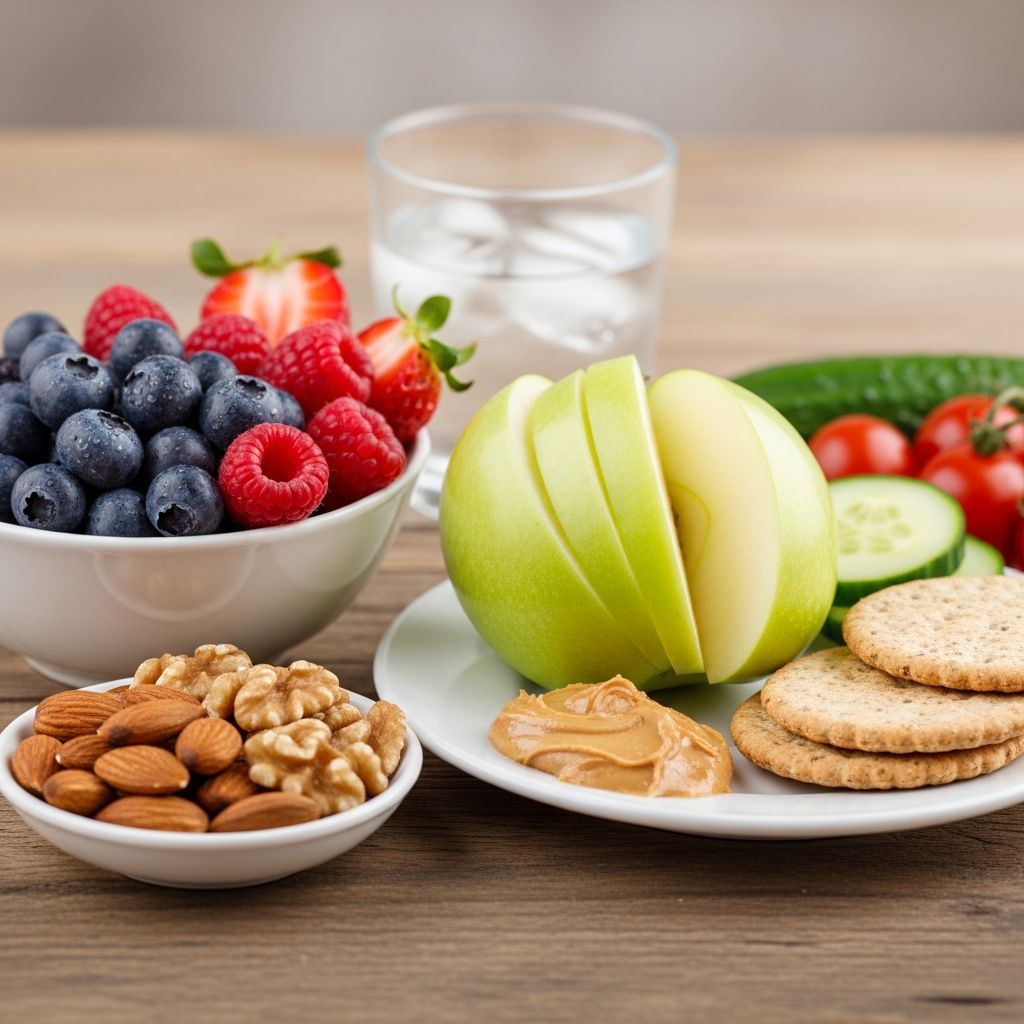
- Veggies and hummus: Carrot or cucumber sticks with 2 tbsp hummus provide fibre and protein for fullness.
- Yoghurt and berries: Plain low-fat Greek yoghurt with a handful of strawberries or blueberries—under 10g carbs.
- Hard-boiled eggs: One or two eggs offer protein with minimal carbs.
- Cottage cheese: A small pot with cucumber slices.
- Handful of almonds: 25g nuts deliver healthy fats, protein, and vitamins.
- Avocado: Half an avocado on its own or with veg.
- Apples and peanut butter: One small apple with 1 tsp no-added-sugar peanut butter.
Related Stories



Other low-carb ideas (around 5-10g carbs): 1 small apple/pear, 100g raspberries, 1 kiwi, plain yoghurt, or 5 cherries.
Snacks to avoid
Steer clear of high-fat, high-salt, or refined sugar foods that spike glucose or add empty calories.
- Crisps and processed snacks.
- Iced cakes and sweets.
- Fizzy drinks and foods high in refined sugars.
- Avoid ‘diabetic’ labelled products—they’re often pricey with no real benefits.
| Category | Good Swap | Carbs (approx.) | Avoid |
|---|---|---|---|
| Chocolate | 2-3 squares dark chocolate | <10g | Milk chocolate bar |
| Crackers | Wholemeal crackers + 20-30g cheese + veg | 10g | Cream crackers alone |
| Biscuits | 1 rich tea or malted milk biscuit | 5g | Chocolate biscuits |
| Fruit | Small handful berries | <10g | Large banana or dried fruit handful |
Medium-carb options (10-15g): small banana, 1 slice wholegrain bread, fruit yoghurt.
How to make snacks more interesting
Variety prevents boredom and encourages adherence. Stock your kitchen with versatile, healthy ingredients for quick assemblies.
- Milkshakes: Blend whole milk, fresh fruit (e.g., berries), and ice cubes for a refreshing treat.
- Veg dips: Use carrot/cucumber sticks instead of bread for hummus—adds crunch and nutrients.
- Open sandwiches: One slice wholegrain rye bread topped with chopped egg, tuna, or lean ham.
- Nut upgrades: Swap chocolate bars for 25g almonds or seeds.
- Yoghurt parfaits: Layer plain yoghurt with nuts and a few berries.
Healthy swaps from Diabetes UK: cheese/crackers to wholemeal crackers with mature cheese and tomato; milk chocolate to dark. For night snacking, opt for low-carb like nuts if not hungry from dinner—thirst can mimic hunger, so hydrate first.
Nut butters (no added sugar) on apple slices or celery provide satisfaction. Nuts/seeds in moderation offer heart-healthy fats.
Frequently Asked Questions (FAQs)
Q: Do I need to snack if I have type 2 diabetes?
A: Not usually if unmanaged with meds, but yes if on insulin/sulfonylureas to prevent hypos. Focus on hunger cues.
Q: What’s a good pre-exercise snack for type 1?
A: Small carb snack like a banana or cereal bar if blood sugar is low. Monitor levels.
Q: Are ‘diabetic’ snacks worth buying?
A: No—often overpriced. Choose regular healthy foods mindfully.
Q: How many carbs in safe snacks?
A: Aim for <10g for no-insulin coverage; check labels.
Q: Can I snack at night?
A: Yes, but choose low-carb like yoghurt or nuts if needed; ensure it fits daily carbs.
References
- How to snack when you have diabetes — Patient.info. 2023. https://patient.info/features/diabetes/how-to-snack-when-you-have-diabetes
- Healthy food swaps: snacks — Diabetes UK. 2024-01-15. https://www.diabetes.org.uk/living-with-diabetes/eating/healthy-swaps/healthy-swaps-snacks
- Diabetes – basic diet advice for newly diagnosed — West Suffolk NHS Foundation Trust. 2023. https://www.wsh.nhs.uk/CMS-Documents/Patient-leaflets/DiabetesUnit/6392-2-Diabetes-basic-diet-advice-for-newly-diagnosed.pdf
- Diabetes and Snacks — University Hospitals Sussex NHS. 2024. https://www.uhsussex.nhs.uk/resources/diabetes-and-snacks/
- Carbohydrate Snacks of 10g or less — Milton Keynes University Hospital. 2020-04-01. https://www.mkuh.nhs.uk/wp-content/uploads/2020/04/Carbohydrate-snacks-of-10g-or-less.pdf
Similar Articles








Read full bio of medha deb