How to Soothe a Sore Neck: Effective Relief Strategies
Discover proven techniques and remedies to relieve neck pain and restore comfort.

Neck pain is one of the most common complaints in today’s world, affecting millions of people regardless of age or occupation. Whether caused by poor posture, muscle strain, stress, or injury, a sore neck can significantly impact your quality of life and daily activities. The good news is that most cases of neck pain can be managed effectively with proper self-care techniques and lifestyle modifications. This comprehensive guide will help you understand the causes of neck pain and provide you with practical strategies to find relief and prevent future discomfort.
Understanding Neck Pain
Your neck is a complex structure composed of seven vertebrae, muscles, ligaments, and nerves that work together to support your head and allow for movement. Your head weighs approximately 10 to 12 pounds, and your neck’s primary function is to support this significant weight while maintaining flexibility and stability. When neck muscles become strained, tight, or injured, pain and stiffness can develop. Understanding the anatomy of your neck and what causes pain is the first step toward effective relief.
Neck pain can range from mild discomfort to severe pain that restricts movement. Common causes include poor posture, muscle tension, whiplash injuries, osteoarthritis, herniated discs, and stress-related muscle tightness. In many cases, neck pain resolves on its own with appropriate self-care within a few weeks, but chronic or severe pain may require professional medical evaluation.
Immediate Relief Techniques
When you first experience neck pain, several immediate relief techniques can help reduce discomfort and promote healing:
Heat and Cold Therapy
Applying heat or cold to the affected area can provide significant relief. Heat therapy helps relax tight muscles and improve blood circulation, making it particularly beneficial for chronic neck pain or muscle tension. Apply a heating pad or take a warm shower for 15 to 20 minutes at a time. Cold therapy, on the other hand, helps reduce inflammation and numb acute pain, making it ideal for recent injuries or acute flare-ups. Use an ice pack wrapped in a towel for 10 to 15 minutes. Alternate between heat and cold every few hours to see which provides better relief for your specific condition.
Rest and Activity Modification
Giving your neck adequate rest is crucial for healing. Avoid activities that aggravate your pain, such as heavy lifting, intense exercise, or repetitive neck movements. However, complete immobilization is generally not recommended, as gentle movement can actually aid recovery. Instead, engage in light activity and gradually increase your movement as pain decreases. Maintain a neutral neck position as much as possible, avoiding extreme flexion, extension, or rotation.
Over-the-Counter Pain Relief
Non-prescription medications can help manage neck pain and inflammation. Nonsteroidal anti-inflammatory drugs (NSAIDs) such as ibuprofen or naproxen can reduce both pain and swelling. Acetaminophen can provide pain relief without addressing inflammation. Always follow the recommended dosage on the package, and consult with a healthcare provider if you have any underlying health conditions or take other medications.
Related Stories



Posture Correction and Prevention
One of the most effective ways to soothe and prevent neck pain is to maintain proper posture throughout your daily activities. Poor posture places excessive stress on your neck muscles and spine, leading to pain and discomfort. By consciously adjusting how you carry yourself, you can significantly reduce neck strain.
General Posture Guidelines
Keep your head balanced directly over your spine without leaning forward or to one side. Your ears should align with your shoulders, and your shoulders should be relaxed, not hunched up toward your ears. Imagine a string attached to the top of your head gently pulling you upward. This mental image can help you maintain proper alignment throughout the day.
Desk and Computer Work
If you spend significant time working at a computer or desk, posture becomes even more critical. Follow these guidelines:
– Position your chair at the correct height so both feet rest flat on the ground- Sit with your buttocks far back in your chair for proper support- Keep your monitor at eye level, approximately an arm’s length away- Use a separate, full-size keyboard if working with a laptop or tablet- If using a laptop at a desk, elevate it with a book or stand to approximately a 12-degree incline- Support your lower back with a small pillow or lumbar support cushion- Take frequent breaks every 30 minutes to stand, stretch, and walk around
Prolonged sitting without movement has been linked to worsening neck pain and other health complications. Set reminders on your computer or phone to encourage regular movement breaks.
Telephone and Mobile Device Use
Modern communication devices can contribute significantly to neck strain. Avoid cradling your phone between your ear and shoulder, as this creates excessive lateral flexion in your neck. Instead, use a headset, earbuds, or speakerphone to keep your head in a neutral position during calls. When using a cellphone or mobile device, hold it at eye level rather than looking down at it.
Reading and Leisure Activities
Maintain an upright posture while reading. Hold your book or reading material at a comfortable height so you don’t have to lean down or forward. Placing a pillow on your lap can help achieve the right angle. If you read in bed, sit up straight or use a specially designed wedge pillow. Alternatively, lie on your side with your neck straight and hold the book in front of you at a comfortable viewing distance.
Stretching and Strengthening Exercises
Therapeutic exercises are among the most effective natural ways to manage and treat neck pain. These exercises help improve flexibility, strengthen supporting muscles, and promote proper alignment. Perform these exercises gently, and stop if you experience increased pain.
Gentle Stretching Exercises
Perform these stretches slowly and hold each position for 15 to 30 seconds:
– Neck Flexion: Slowly lower your chin toward your chest, feeling a gentle stretch at the back of your neck- Neck Extension: Gently tilt your head backward, looking slightly upward- Lateral Flexion: Slowly lean your head toward each shoulder, keeping your shoulders relaxed- Shoulder Shrugs: Raise both shoulders toward your ears, hold briefly, then release- Shoulder Blade Squeeze: Pull your shoulder blades back and together, hold, then release
These simple movements can be performed throughout your workday, particularly after prolonged sitting or desk work.
Strengthening Exercises
Building strength in neck and upper back muscles provides better support for your head and spine:
– Isometric Neck Exercises: Place your hand against your head and apply gentle resistance without allowing movement- Wall Slides: Stand with your back against a wall and slowly raise and lower your arms- Resistance Band Exercises: Use a resistance band for gentle strengthening of neck and shoulder muscles
These exercises should be performed 3 to 4 times per week for optimal results. Consider consulting with a physical therapist to learn proper techniques and develop a personalized exercise program.
Lifestyle Modifications
Beyond exercises and posture, several lifestyle changes can help soothe neck pain and prevent recurrence:
Sleep Positioning
Your sleeping position significantly impacts neck health. Sleep with a pillow that supports the natural curve of your neck, keeping your head aligned with your spine. Side sleeping or back sleeping is generally preferable to stomach sleeping, which requires excessive neck rotation. Consider using a specially designed cervical pillow that provides ergonomic support.
Stress Management
Emotional stress often manifests as physical tension in the neck and shoulders. Incorporate stress-reduction techniques such as deep breathing exercises, meditation, yoga, or progressive muscle relaxation into your daily routine. Regular exercise, adequate sleep, and social connection also contribute to stress reduction and improved overall health.
Stay Active
While rest is important for acute pain, long-term health benefits from regular physical activity. Low-impact exercises such as walking, swimming, or tai chi improve circulation, strengthen muscles, and promote flexibility. Avoid high-impact activities or heavy lifting until your pain has completely resolved.
Hydration and Nutrition
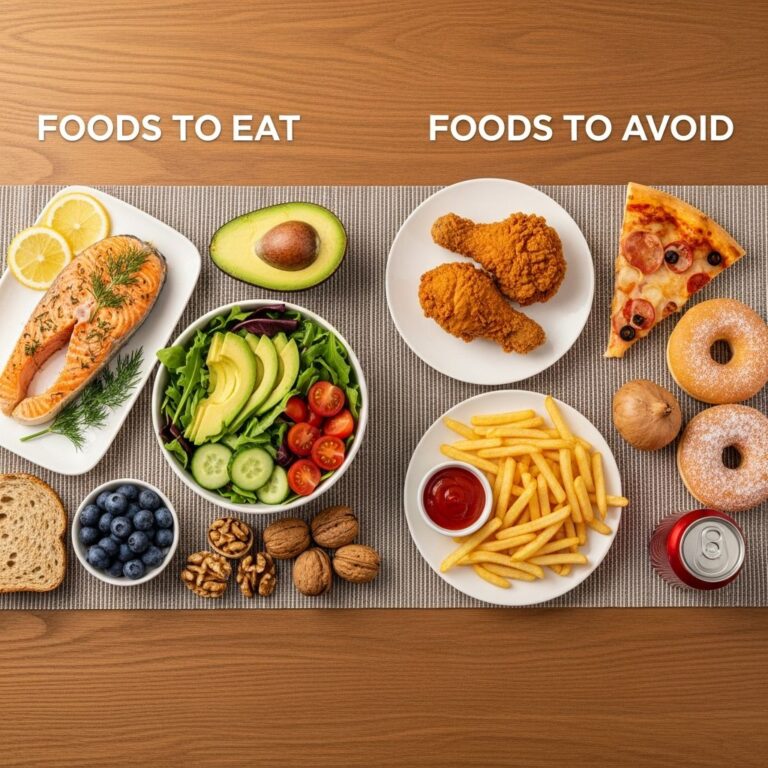
Proper hydration supports muscle function and joint health. Adequate nutrition, particularly foods rich in anti-inflammatory compounds, can support healing. Consider incorporating omega-3 fatty acids, antioxidant-rich fruits and vegetables, and adequate protein into your diet.
When to Seek Professional Help
While most neck pain resolves with self-care, certain situations warrant professional medical evaluation. Seek immediate medical attention if you experience severe pain, numbness or tingling in your arms or hands, weakness, fever, or if your pain follows an accident or injury. Additionally, if neck pain persists beyond two weeks despite conservative treatment, consult with a healthcare provider to rule out underlying conditions and explore additional treatment options.
Medical Treatment Options
Healthcare professionals may recommend various treatments depending on your specific condition:
– Physical therapy for structured exercise and hands-on treatment- Prescription medications for significant pain or inflammation- Injections to reduce inflammation in specific areas- Advanced imaging studies if necessary to diagnose underlying problems- Specialized procedures for certain structural problems
A qualified healthcare provider can help determine which treatment approach is most appropriate for your situation.
Prevention Strategies
Preventing neck pain is far more effective than treating it after it develops. Maintain awareness of your posture throughout the day, take regular movement breaks, keep your workspace ergonomically optimized, and practice stress management. Regular exercise, adequate sleep, and maintaining a healthy weight also contribute to neck health. By implementing these preventive strategies, you can significantly reduce your risk of developing neck pain in the future.
Frequently Asked Questions
Q: How long does it typically take for neck pain to resolve?
A: Most cases of acute neck pain resolve within 4 to 6 weeks with appropriate self-care and conservative treatment. However, chronic neck pain may require longer-term management strategies.
Q: Is it safe to continue working with neck pain?
A: Light work with proper ergonomic adjustments is usually safe and may even promote healing. However, modify activities that aggravate pain and take frequent breaks to stretch and move.
Q: What is the best pillow for neck pain?
A: A pillow that supports the natural curve of your cervical spine is ideal. Cervical or contoured pillows are often recommended, though personal comfort varies. Your pillow should keep your head aligned with your spine.
Q: Can stress really cause neck pain?
A: Yes, emotional stress often manifests as muscle tension in the neck and shoulders. Managing stress through relaxation techniques, exercise, and other stress-reduction methods can help alleviate stress-related neck pain.
Q: When should I use heat versus cold therapy?
A: Cold therapy is most effective for acute injuries and inflammation, while heat therapy is better for chronic pain and muscle tension. Many people benefit from alternating between both treatments.
Q: Are neck braces recommended for neck pain?
A: While neck braces can provide short-term support and immobilization, prolonged use can weaken muscles. They are typically recommended only for specific injuries or short-term use. Consult with a healthcare provider about whether a neck brace is appropriate for your condition.
References
- 3 Tips to Prevent Neck Pain — Harvard Health Publishing. 2024. https://www.health.harvard.edu/pain/3-tips-to-prevent-neck-pain
- Neck Pain: What You Need to Know — National Institute of Neurological Disorders and Stroke (NINDS). 2023. https://www.ninds.nih.gov
- Treatment of Neck Pain: A Clinical Practice Guideline — Orthopaedic Section, American Physical Therapy Association. 2023. https://www.jospt.org
- Cervical Radiculopathy and Myelopathy: Evaluation and Management — American Academy of Orthopaedic Surgeons. 2024. https://www.aaos.org
- Occupational Ergonomics for Neck and Shoulder Pain — International Society of Ergonomics. 2023. https://www.iea.cc
Similar Articles








Read full bio of Sneha Tete