How to Spot the Signs of Anxiety in Kids
Learn to recognize anxiety symptoms in children early, from physical signs to behavioral changes, and discover when to seek professional help.
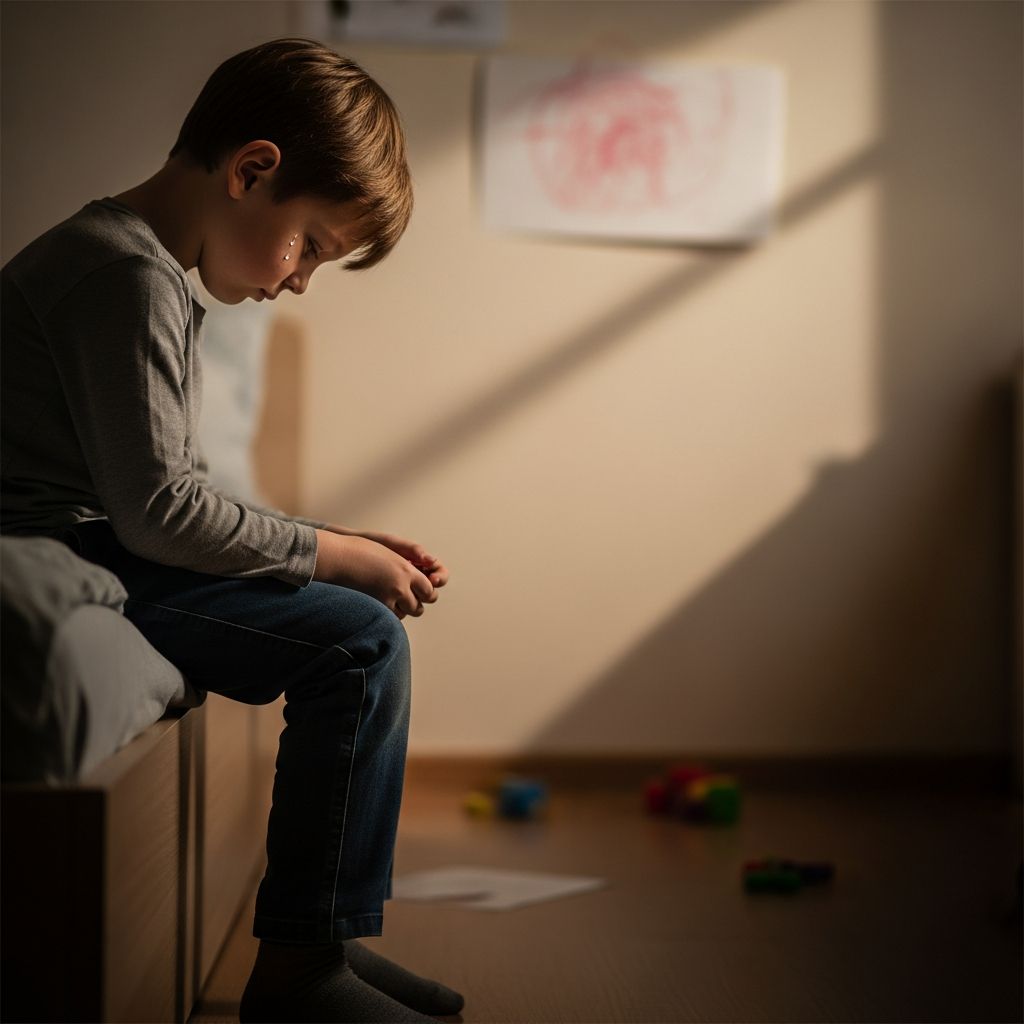
Anxiety in children is more common than many parents realize, affecting up to 1 in 5 kids with clinically significant disorders. Unlike typical childhood fears, anxiety disorders involve extreme avoidance, intense emotional reactions, and persistence that disrupts daily life, school, and relationships. Early recognition is crucial because untreated anxiety can lead to academic struggles, social isolation, and long-term mental health challenges. This article breaks down the emotional, physical, and behavioral signs, explores common types of childhood anxiety, and offers practical advice for parents on supporting their children and knowing when to seek professional help.
Understanding Anxiety in Children
Children experience fears as part of normal development—toddlers fear separation from parents, school-age kids worry about monsters or failure, and teens fret over social acceptance. However, when these fears become persistent, excessive, or interfere with functioning, they may indicate an anxiety disorder. The CDC notes that anxiety can manifest as irritability, sleep troubles, or physical complaints like headaches and stomachaches, often overlooked as ‘just being a kid.’ Kids may not articulate their worries clearly, especially younger ones, leading parents to miss subtle cues. Factors like genetics, stressful events (e.g., family changes, bullying), or even the COVID-19 pandemic have heightened prevalence, with nearly 10% of children aged 3-17 diagnosed.
Anxiety differs from normal worry by its intensity and duration. Children with disorders often cry excessively, avoid situations, or exhibit ‘on the lookout for danger’ behaviors. Recognizing patterns—noticing if symptoms cluster around triggers like school or social events—is key to differentiation.
Emotional and Cognitive Signs of Anxiety
Emotionally, anxious children display heightened worry that dominates their thoughts. They may imagine worst-case scenarios, ruminate on ‘what ifs,’ or seek constant reassurance. For instance, kids with generalized anxiety disorder (GAD) worry daily about homework, health, or disasters, feeling restless and irritable even when reassured. Cognitive signs include difficulty concentrating, as worry consumes mental energy, making schoolwork or conversations challenging.
- Excessive worry or fear disproportionate to the situation
- Frequent crying, tantrums, or emotional outbursts
- Feeling nervous, tense, or sensing impending doom
- Irritability or sudden mood changes
- Difficulty controlling worries or imagining catastrophes
These signs can mimic other issues like ADHD, but anxiety often pairs with physical avoidance rather than hyperactivity. Teens might verbalize anxiety better, describing dread, while younger kids show it through clinginess or anger.
Physical Signs of Anxiety in Kids
Anxiety frequently somatizes—manifesting as physical symptoms without medical cause. Common complaints include stomachaches, headaches, nausea, or fatigue, prompting frequent doctor visits. During episodes, children may hyperventilate, tremble, sweat, or experience a racing heart.
| Physical Symptom | Description | Common in Ages |
|---|---|---|
| Stomach issues (butterflies, aches, nausea) | Nervous stomach feelings or digestive upset | All ages |
| Headaches or migraines | Tension-related pain | School-age and up |
| Sleep disturbances | Trouble falling asleep, nightmares, or restless sleep | Toddlers to teens |
| Shakiness, dizziness, shortness of breath | Panic-like responses | Older children/teens |
| Muscle tension, clammy hands, sweating | Autonomic nervous system activation | All ages |
These symptoms often worsen before anxiety-provoking events like school or parties. The Mayo Clinic highlights rapid breathing, trembling, and fatigue as hallmarks. Changes in appetite—overeating or undereating—also signal distress.
Behavioral Signs and Avoidance
Behaviorally, anxiety drives avoidance, a core feature distinguishing it from normal fear. Kids skip school, refuse sleepovers, or cling to parents. Subtler signs include not raising hands in class or repetitive rituals like excessive handwashing if germ-obsessed. Outbursts, refusal to engage in fun activities, or selective mutism (not speaking in certain settings) are red flags.
Related Stories



- Avoiding school, social events, or new situations
- Clinging to parents or caregivers
- Repetitive behaviors or seeking reassurance
- Tantrums or aggression masking fear
- Sudden disinterest in hobbies
Atrium Health reports aggressive outbursts or irritability in anxious kids, especially younger ones who can’t name their feelings. Observing patterns—e.g., symptoms peaking on school mornings—helps pinpoint anxiety.
Types of Anxiety Disorders in Children
Anxiety disorders vary, each with unique triggers but overlapping symptoms.
Generalized Anxiety Disorder (GAD)
GAD involves chronic worry about multiple areas: school, family safety, or global events. Kids feel tense, struggle to focus, and have sleep/eating issues. Worries feel uncontrollable, persisting despite reassurance.
Social Anxiety Disorder
Fear of judgment leads to avoiding attention—skipping lunch to evade eating in public or freezing when called on. Physical symptoms like blushing or shaking intensify fears, potentially causing school refusal.
Separation Anxiety Disorder
Excessive distress over parting from parents, even briefly. Common in younger kids but problematic if persisting past age 4. Nighttime fears or refusal to sleep alone are typical.
Specific Phobias and Panic Disorder
Intense fear of objects/situations (e.g., dogs, doctors) or sudden panic attacks with heart racing and dizziness. Phobias prompt extreme avoidance.
Selective Mutism
Inability to speak in school despite fluency at home, stemming from social anxiety.
When to Seek Professional Help
Not all anxiety needs intervention, but consult a pediatrician if:
- Symptoms persist >6 months and impair functioning
- Physical complaints are frequent/unexplained
- Avoidance affects school attendance or friendships
- Suicidal thoughts or self-harm emerge
Start with a pediatrician for screening; they may refer to psychologists for cognitive behavioral therapy (CBT), the gold standard. Medications like SSRIs are considered for severe cases. Early help prevents escalation—Cleveland Clinic emphasizes therapy teaches coping skills.
How Parents Can Support Anxious Children
Validate feelings without over-reassuring: ‘I see you’re worried; let’s problem-solve.’ Encourage gradual exposure to fears, maintain routines, and model calm. Limit screen time, promote exercise, and ensure sleep hygiene. Track symptoms in a journal to share with professionals.
Avoid punishing avoidance, as it reinforces anxiety. Instead, praise brave steps. Resources like KidsHealth offer parent guides.
Frequently Asked Questions (FAQs)
What are the most common signs of anxiety in young children?
Common signs include clinginess, separation fears, stomachaches, nightmares, and tantrums when facing new situations.
Can anxiety look like defiance or bad behavior?
Yes, irritability, outbursts, or school refusal often mask anxiety, especially in toddlers who lack words for emotions.
How is childhood anxiety treated?
CBT is first-line, teaching coping tools. Severe cases may use medication under specialist guidance.
Is anxiety in kids linked to genetics?
Family history increases risk, alongside stressors like bullying or trauma.
At what age does anxiety typically start?
It can begin in preschool, but diagnoses rise in school-age kids; 10% of 3-17-year-olds affected.
References
- Anxiety in Children: Causes, Symptoms & Treatment — Cleveland Clinic. 2023. https://my.clevelandclinic.org/health/diseases/anxiety-in-children
- Anxiety Disorders in Children — Nemours KidsHealth. 2024. https://kidshealth.org/en/parents/anxiety-disorders.html
- Anxiety and Depression in Children — Centers for Disease Control and Prevention (CDC). 2024-10-01. https://www.cdc.gov/children-mental-health/about/about-anxiety-and-depression-in-children.html
- Does Your Child Have Anxiety? — Atrium Health. 2024-10-24. https://atriumhealth.org/dailydose/2024/10/24/signs-your-child-may-have-anxiety
- Top 10 Signs of Anxiety in Kids — YouTube (Brown University). 2023. https://www.youtube.com/watch?v=7rsgIIfnos4
- Signs of Anxiety in Children — Children’s Health. 2024. https://www.childrens.com/health-wellness/signs-of-anxiety-in-children
- Anxiety Disorders – Symptoms and Causes — Mayo Clinic. 2024. https://www.mayoclinic.org/diseases-conditions/anxiety/symptoms-causes/syc-20350961
Similar Articles








Read full bio of Sneha Tete