How To Start A Low-Carb Diet: 6-Step Guide For Beginners
Discover practical steps, meal ideas, and science-backed tips to launch a successful low-carb diet for weight loss and better health.
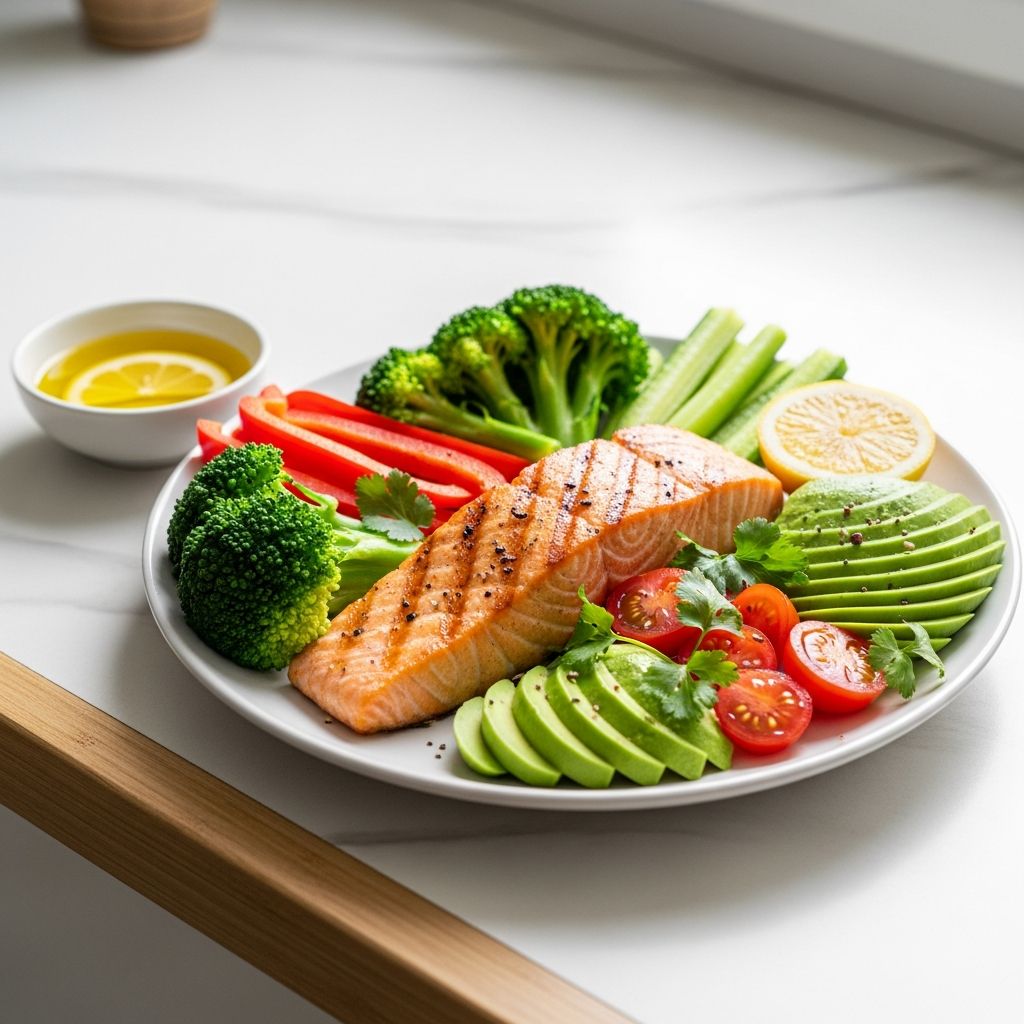
A low-carb diet limits carbohydrates—typically found in grains, starchy vegetables, and sugars—while emphasizing proteins, healthy fats, and non-starchy vegetables. This approach can promote rapid weight loss, improve glycemic control, and enhance satiety by reducing insulin spikes and encouraging fat burning for energy.
What Is a Low-Carb Diet?
Low-carb diets restrict carbs to 20-57 grams per day in stricter forms like ketogenic (keto), compared to the standard 45-65% of calories from carbs (900-1,300 calories on a 2,000-calorie diet). The goal is to shift the body from burning glucose to ketones derived from fat, inducing nutritional ketosis. Net carbs, calculated as total carbs minus fiber (and half of sugar alcohols), help focus on digestible carbs while prioritizing fiber-rich foods.
Variations include moderate low-carb (under 130g/day) for general weight loss and very low-carb keto (20-50g/day) for faster results and diabetes management. Studies show low-carb diets outperform others for short-term weight loss (6-12 months), with mechanisms including increased satiety from protein/fat, reduced hunger, and a potential 200-300 calorie metabolic advantage.
Benefits of a Low-Carb Diet
Low-carb eating supports multiple health goals:
- Weight Loss: Rapid initial loss from water and glycogen depletion, followed by fat loss; superior to low-fat diets short-term, with sustained effects tied to adherence.
- Blood Sugar Control: Reduces insulin needs and HbA1c in type 1/2 diabetes; recent trials show remission rates and medication reductions.
- Heart Health: Improves cardiometabolic markers when focusing on healthy fats/proteins; lowers type 2 diabetes risk.
- Satiety and Energy: Higher protein/fat intake curbs hunger, stabilizing energy without blood sugar crashes.
Guidelines from organizations like the American Diabetes Association now include low-carb as an option.
Foods to Eat on a Low-Carb Diet
Prioritize nutrient-dense, low-net-carb options:
- Proteins: Meat, poultry, fish, eggs, tofu.
- Healthy Fats: Avocados, olive oil, nuts (limited), butter, coconut oil.
- Non-Starchy Vegetables: Leafy greens, broccoli, cauliflower, zucchini, peppers.
- Dairy: Cheese, Greek yogurt, heavy cream (full-fat).
- Low-Carb Fruits: Berries in moderation.
Aim for whole foods over processed; calculate net carbs to stay under limits.
Foods to Avoid
Eliminate high-carb culprits:
- Sugary foods/drinks (soda, candy).
- Grains (bread, pasta, rice).
- Starchy veggies (potatoes, corn).
- Most fruits and legumes.
- Refined carbs (white flour products).
Limit even ‘healthy’ carbs initially for ketosis.
How to Start: Step-by-Step Guide
Begin gradually or with rapid induction:
- Assess Goals: Use motivational interviewing for SMART goals (specific, measurable, etc.).
- Cut Sugars/Refined Carbs: Achieve moderate low-carb (<45% calories) quickly.
- Induction Phase (2-4 Weeks): 20-50g carbs/day for ketosis; eat ad libitum protein/fat/veggies.
- Transition: Add low-glycemic carbs (berries, veggies) based on progress.
- Track: Use apps for net carbs; monitor weight, energy, blood sugar.
- Consult Pros: Work with dietitians, especially with conditions like diabetes.
Sample Meal Plans
Customize to 20-50g net carbs/day. Here’s a 7-day overview:
| Day | Breakfast | Lunch | Dinner | Snacks | Total Net Carbs |
|---|---|---|---|---|---|
| Monday | Eggs & avocado | Grilled chicken salad | Salmon with broccoli | Cheese sticks | ~25g |
| Tuesday | Greek yogurt w/ berries | Tuna salad lettuce wraps | Steak & asparagus | Nuts (handful) | ~28g |
| Wednesday | Omelet w/ spinach | Turkey roll-ups | Shrimp stir-fry | Celery & cream cheese | ~22g |
| Thursday | Smoothie (keto) | Cobb salad | Pork chops & zucchini | Olives | ~26g |
| Friday | Bacon & eggs | Chicken Caesar (no croutons) | Baked cod & greens | Yogurt | ~24g |
| Saturday | Chia pudding | Beef lettuce tacos | Chicken thighs & cauliflower | Hard-boiled eggs | ~27g |
| Sunday | Cottage cheese & nuts | Egg salad | Lamb with Brussels sprouts | Avocado | ~23g |
Related Stories



Adjust portions; drink water, black coffee, tea.
Low-Carb Recipes
Cloud Bread (4 servings, ~1g net carbs/slice)
Ingredients: 3 eggs (separated), 3oz cream cheese, 1/4 tsp baking powder. Beat whites stiff, mix yolks/cheese/powder, fold together. Bake 30 min at 300°F. Use for sandwiches.
Keto Fat Bombs (10 pieces, ~1g each)
Mix 1/2 cup coconut oil, 1/4 cup cocoa, 2 tbsp sweetener, nuts. Freeze in molds. Perfect snack.
Cauliflower Fried ‘Rice’ (4 servings, 5g net carbs)
Pulse cauliflower, sauté with eggs, soy sauce, veggies, protein. Tastes like takeout.
Potential Side Effects & Tips
Keto Flu: Fatigue, headache in week 1—combat with electrolytes (sodium, potassium, magnesium).
- Stay hydrated.
- Choose unsaturated fats to minimize heart risks.
- Long-term: Ensure nutrient balance; may lack fiber/vitamins if not veggie-focused.
Weight loss plateaus after 12 months similar to other diets; adherence key.
Frequently Asked Questions
Is a low-carb diet safe long-term?
Yes, when balanced with veggies/nutrients; monitor with a doctor, especially for diabetes/heart issues. Focus on quality fats.
How much weight can I lose?
1-2 lbs/week initially; greater short-term than low-fat, but long-term depends on calorie deficit/adherence.
Can I eat fruit?
Limited: berries ok in moderation; avoid high-sugar fruits.
What’s the difference between low-carb and keto?
Keto is stricter (20-50g carbs for ketosis); low-carb allows up to 130g.
Do I need to count carbs?
Yes, especially starting; use net carbs for accuracy.
Transition to maintenance by adding whole carbs slowly. Combine with exercise for best results.
References
- Low-Carbohydrate Diet — StatPearls, NCBI Bookshelf, NIH. 2023-08-08. https://www.ncbi.nlm.nih.gov/books/NBK537084/
- Low-carb diet: Can it help you lose weight? — Mayo Clinic. 2023-11-01. https://www.mayoclinic.org/healthy-lifestyle/weight-loss/in-depth/low-carb-diet/art-20045831
Similar Articles








Read full bio of Sneha Tete