How To Start Eating Healthy: 7 Simple Steps For Lasting Change
Practical steps from doctors and experts to build sustainable healthy eating habits for long-term wellness and disease prevention.
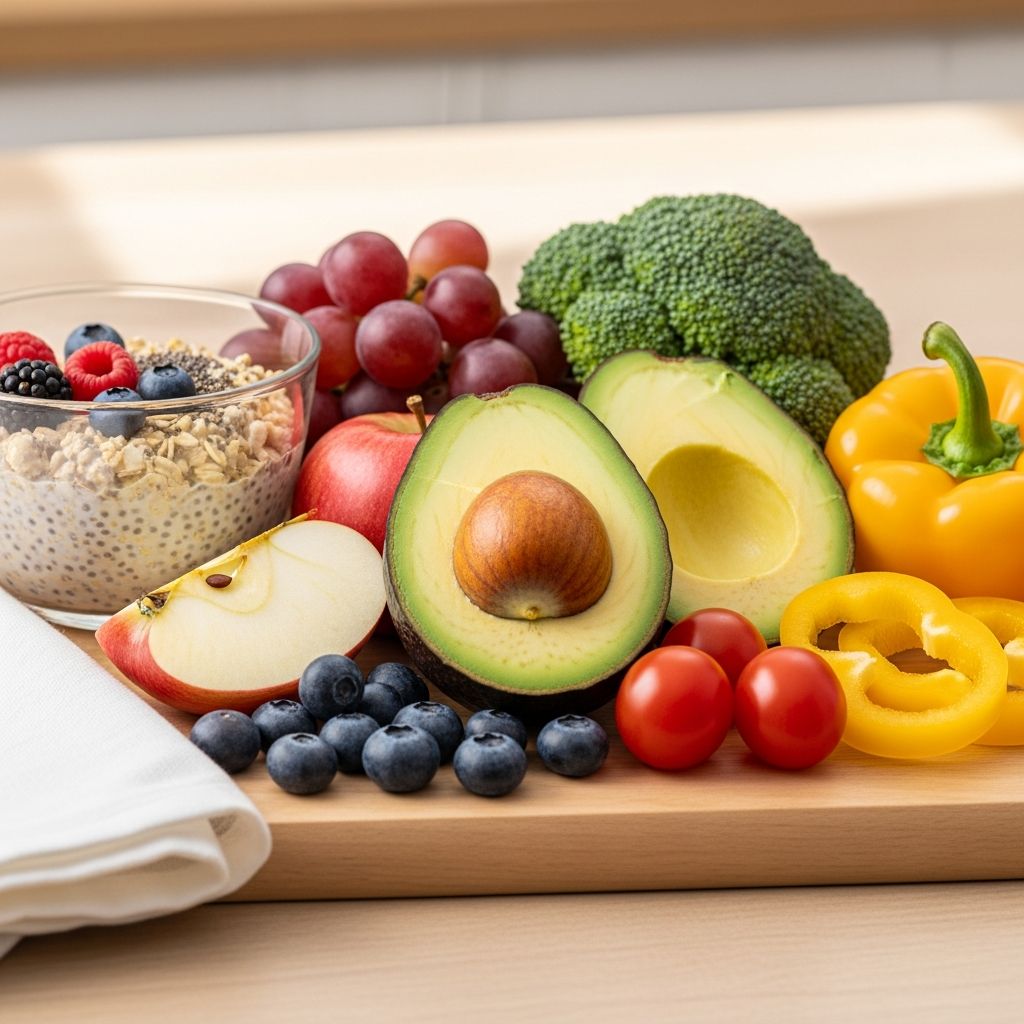
Transitioning to a healthier diet doesn’t require extreme measures or fad diets. Experts emphasize sustainable changes like focusing on whole foods, planning meals, and understanding your eating patterns to foster long-term wellness.
Figure Out Your Eating Patterns
The foundation of healthy eating begins with self-awareness. Rather than jumping straight into ‘what’ to eat, physicians recommend examining ‘why’ and ‘how’ you eat. Many people know fruits and vegetables are healthy but eat poorly due to habits, stress, boredom, or convenience.
Track your meals for a week: note times, locations, emotions, and company. Common triggers include stress eating, mindless snacking while watching TV, or grabbing processed foods when tired. Dr. Lazarus from the AMA advises, “Figure out your eating patterns, eating triggers and why you’re eating in a certain way.” This insight prevents autopilot unhealthy choices.
- Journal daily: Log what, when, where, why, and how you feel after eating.
- Identify patterns: Do you overeat at night? Rely on takeout during workweeks?
- Address root causes: If stress drives eating, pair it with walks or tea instead.
Research from the Nurses’ Health Study shows that combining healthy eating with lifestyle factors like exercise reduces cardiovascular disease risk by 80%. Awareness is the first step toward intentional change.
Eat Meals Prepared at Home
Home-cooked meals give you control over ingredients, portions, and nutrition. Dr. Devries stresses focusing on unprocessed foods without labels: vegetables, beans, whole grains, and fruits.
Batch cooking saves time and reduces reliance on processed options. Start simple: roast vegetables, cook grains like quinoa or brown rice, and prepare proteins like beans or fish. This approach aligns with the Healthy Eating Plate, prioritizing plant-based foods.
- Shop smart: Build your cart around produce, legumes, and whole grains.
- Prep basics: Chop veggies Sunday for quick assemblies.
- Flavor naturally: Use herbs, spices, lemon, and healthy oils like olive or canola.
Studies confirm home cooking correlates with better nutrient intake and lower obesity risk, as it minimizes hidden sugars, sodium, and trans fats.
Create an Eating Schedule and Plan
Treat eating like exercise: plan it. Successful healthy eaters don’t decide meal-by-meal; they outline days or weeks ahead. Dr. Lazarus notes, “People who are successful in eating healthier don’t just try to make a choice at every meal—they actually have a plan.”
Designate eating windows, like breakfast at 8 AM, lunch at 1 PM, dinner by 7 PM. Plan grocery lists around recipes emphasizing half your plate vegetables and fruits, a quarter whole grains, a quarter proteins.
| Day | Breakfast | Lunch | Dinner | Snacks |
|---|---|---|---|---|
| Monday | Oatmeal with berries | Quinoa salad with veggies | Grilled fish, greens, beans | Apple with nuts |
| Tuesday | Yogurt parfait | Lentil soup, whole grain bread | Stir-fried tofu, brown rice | Carrots with hummus |
| Wednesday | Smoothie with spinach | Chickpea wrap | Baked chicken, sweet potato | Greek yogurt |
Meal prepping prevents grazing and aligns portions with goals. Apps or planners help, but paper works too.
Pay Attention to How You Feel
Related Stories



Intuitive eating tunes you to your body’s signals. Compare post-meal feelings: energized after nuts and fruit, or sluggish after donuts and fries? The Healthy Eating Plate guides balanced meals that stabilize blood sugar.
- Rate energy: 1-10 scale before/after meals.
- Note digestion: Whole grains and fiber promote satiety; refined carbs spike crashes.
- Hunger cues: Eat when hungry, stop when satisfied—not stuffed.
Harvard’s model avoids potatoes as veggies due to blood sugar impact, favoring diverse produce. This mindfulness builds preference for nourishing foods.
Know What Foods to Focus On
Prioritize label-free foods: fruits, vegetables, beans, whole grains. Add quality animal proteins like fish or unsweetened yogurt sparingly. Avoid sugar-sweetened drinks, processed meats, fried foods.
NIH guidelines emphasize unsaturated fats (olive oil), whole grains (6+ servings daily), vegetable proteins, and limiting refined carbs. Read labels: aim for <140mg sodium/serving initially.
- Fill half plate: Colorful veggies/fruits.
- Quarter grains: Whole wheat, barley, quinoa.
- Quarter protein: Beans, nuts, fish, poultry.
- Oils: Plant-based in moderation.
- Drinks: Water, tea, coffee; limit dairy/juice.
These swaps reduce chronic disease risk.
Good Eating Begins with Proper Sleep
Sleep underpins eating. Poor rest disrupts hunger hormones, leading to cravings. Establish a schedule: consistent bedtime/wake time, even weekends.
Aim for 7-9 hours. Wind down without screens; stress cycles sabotage both sleep and diet. Better sleep enhances willpower for healthy choices.
It’s About Building a Lifestyle
Healthy eating is a marathon. Dr. Johnson advocates adding nutrient-dense foods, realistic swaps, and distinguishing emotional vs. physical hunger. Meal prep snacks to control portions.
Seven NIH strategies:
- Use unsaturated oils, limit saturated/trans fats.
- More vegetable protein, less animal.
- Whole grains over refined carbs.
- Plenty of fruits/veggies.
- Limit sugary drinks/refined grains.
- Multivitamin safety net.
- Maintain healthy weight with exercise.
Combine with activity for optimal health.
Frequently Asked Questions (FAQs)
What if I slip up?
Progress, not perfection. One off-day doesn’t derail; refocus on your plan.
How do I read labels?
Check sodium (<140mg), sugars, ingredients list—shorter is better.
Vegetarian options?
Beans, nuts, tofu shine; ensure B12 via fortified foods/supplements.
Budget tips?
Buy seasonal produce, bulk grains/beans, frozen veggies.
Kids and family?
Involve them in planning/cooking; model habits.
References
- What doctors wish patients knew about healthy eating — American Medical Association (AMA). 2023-10-12. https://www.ama-assn.org/public-health/prevention-wellness/what-doctors-wish-patients-knew-about-healthy-eating
- Essentials of Healthy Eating: A Guide — National Institutes of Health (NIH) / PMC. 2012-09-18. https://pmc.ncbi.nlm.nih.gov/articles/PMC3471136/
- Healthy Eating Plate — Harvard T.H. Chan School of Public Health. 2024-01-15. https://nutritionsource.hsph.harvard.edu/healthy-eating-plate/
Similar Articles








Read full bio of Sneha Tete